HeadPowder, a leading manufacturer based in Shandong, China, specializes in the design and production of mineral granular material conveying lines. These systems are crucial for efficiently transporting bulk materials like minerals, grains, and other granular substances across various industrial settings. The following content explores the fundamental principles behind these conveying lines and highlights the key characteristics that define their performance in different working environments.
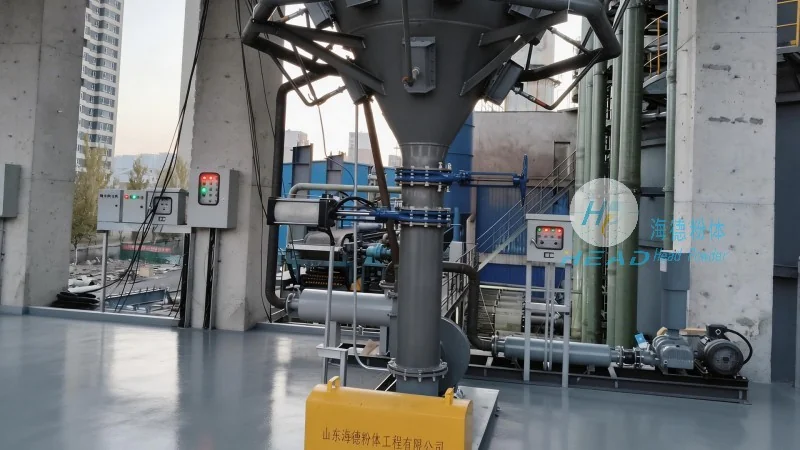
Overview of Mineral Granular Material Conveying Lines
Mineral granular material conveying lines are engineered systems designed to move bulk materials from one location to another with minimal human intervention. These systems are integral to industries such as mining, construction, agriculture, and chemical processing, where large volumes of granular materials need to be handled efficiently. HeadPowder's solutions are tailored to meet the specific demands of these sectors, ensuring reliable and consistent material transport. The company's expertise lies in creating customized conveying systems that optimize workflow and reduce operational costs for clients.
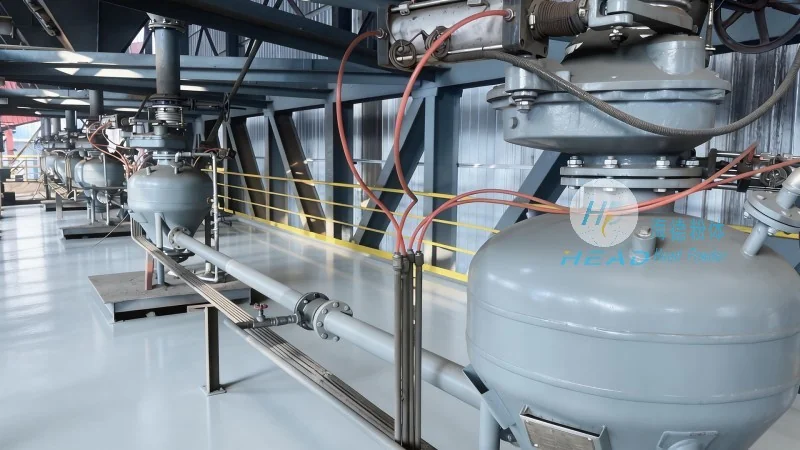
Core Principles of the Conveying System
The operation of a mineral granular material conveying line is based on several key principles. Primarily, these systems utilize mechanical energy to move materials through a series of components, including feeders, conveyors, and discharge mechanisms. The most common types of conveyors used in such systems are belt conveyors, screw conveyors, and pneumatic conveyors. Belt conveyors are ideal for transporting heavy and abrasive materials over long distances, while screw conveyors are suitable for vertical or inclined transport. Pneumatic conveyors, on the other hand, use air pressure to move fine or dusty materials. HeadPowder's engineers carefully select the appropriate conveyor type based on the material's properties, such as size, density, and moisture content, as well as the required transport distance and elevation changes. This ensures that the system operates at peak efficiency with minimal maintenance.
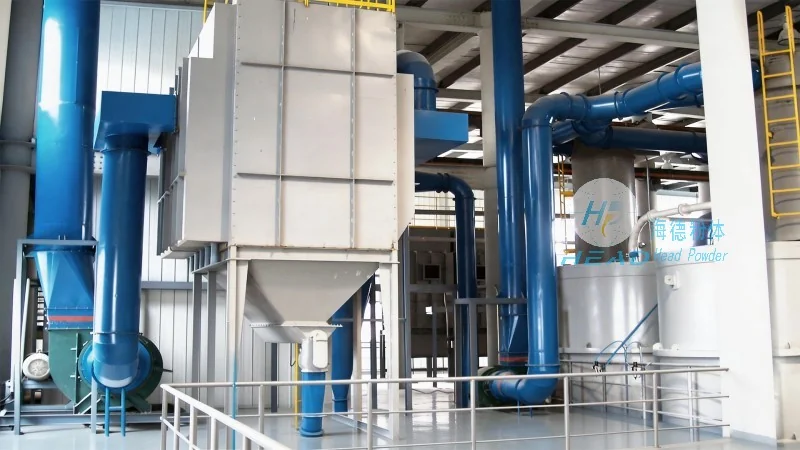
Key Working Scene Characteristics
The effectiveness of a mineral granular material conveying line is heavily influenced by the working scene characteristics. These characteristics include the type of material being transported, the environment (e.g., indoor or outdoor), the required speed and capacity, and the space constraints of the facility. In mining operations, for instance, conveying lines are often used to transport ore from the mine face to processing plants. The systems must be robust enough to handle large volumes of heavy, abrasive materials and withstand harsh environmental conditions. In contrast, in food processing facilities, conveying lines need to maintain hygiene standards and prevent contamination, making stainless steel components and sealed systems essential. HeadPowder's solutions are adaptable to these diverse working scenes, offering flexible configurations that can be adjusted to meet specific operational requirements. Whether it's a large-scale mining project or a small-scale agricultural operation, the company's conveying lines are designed to deliver consistent performance and durability.
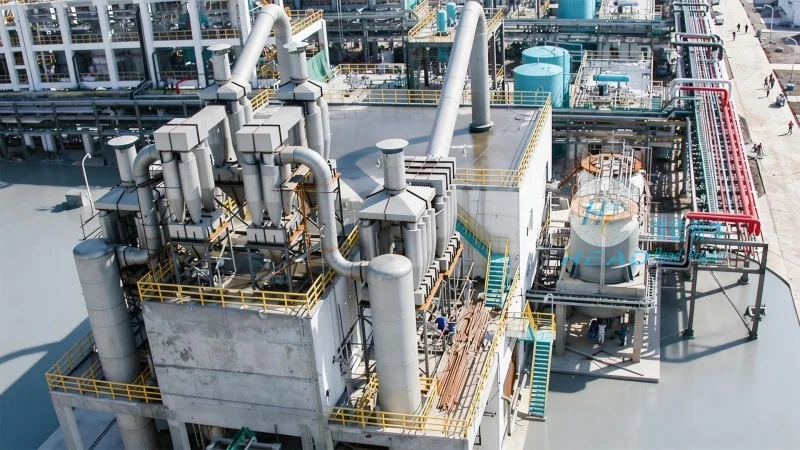
Technical Advantages and Application Scenarios
HeadPowder's mineral granular material conveying lines offer several technical advantages that make them a preferred choice for industrial applications. One of the key advantages is the high efficiency and low energy consumption of the systems. By optimizing the conveyor design and using advanced materials, the company ensures that the equipment operates with minimal power usage while maintaining high throughput. Another advantage is the durability and longevity of the components. HeadPowder uses high-quality materials and rigorous manufacturing processes to produce parts that can withstand heavy usage and harsh conditions, reducing the need for frequent replacements and maintenance. The company also provides comprehensive after-sales support, including installation, maintenance, and technical assistance, ensuring that clients can maximize the lifespan and performance of their conveying systems. In terms of application scenarios, HeadPowder's conveying lines are widely used in various industries. In the mining sector, they are used for ore transport and tailings management. In the construction industry, they help move sand, gravel, and cement. In the agricultural sector, they are used for grain handling and storage. The versatility of these systems makes them an essential part of modern industrial operations.




