For industries dealing with methylcellulose, efficient material handling is crucial to maintain production efficiency and product quality. Methylcellulose, a non-ionic cellulose ether, is widely used in pharmaceuticals, food, and chemical industries due to its excellent solubility, viscosity, and film-forming properties. However, the unique physical characteristics of methylcellulose, such as its high viscosity and tendency to form lumps or agglomerates, pose challenges in material handling. This article explores the principles and working scene characteristics of specialized equipment designed for transporting methylcellulose, highlighting how these systems address the specific demands of industrial applications.
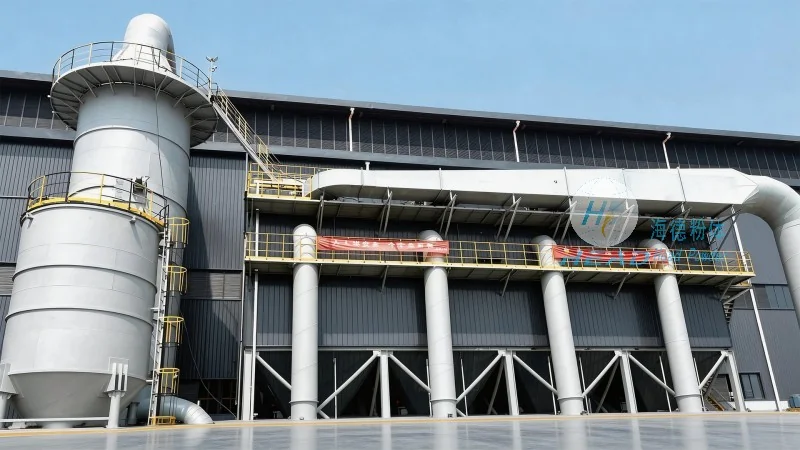
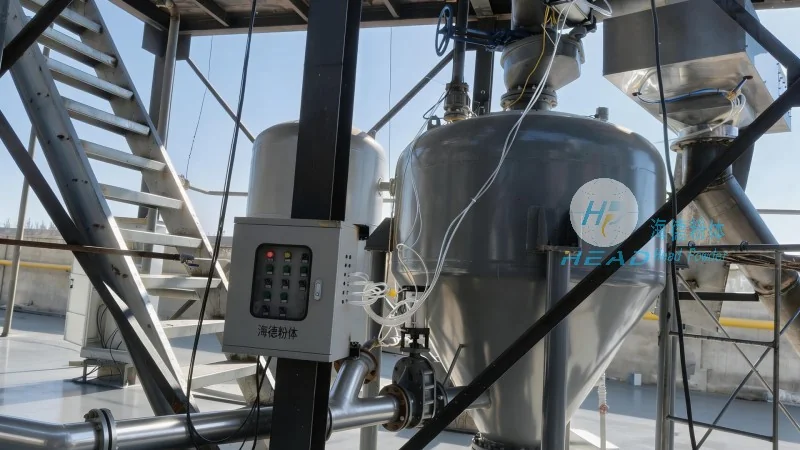
Working Principle of Methylcellulose Material Handling Equipment
The core of methylcellulose material handling equipment lies in its ability to manage the material's flow characteristics while minimizing degradation or contamination. These systems typically incorporate advanced design elements tailored to the material's properties. For instance, many units utilize a combination of screw conveyors, pneumatic conveyors, or vacuum pumps, each optimized for the specific viscosity and flowability of methylcellulose. The equipment often features adjustable speed controls and variable pressure settings, allowing operators to fine-tune the handling process according to the material's consistency and the required output rate. Additionally, the design incorporates materials resistant to chemical corrosion, such as stainless steel or specialized coatings, to ensure durability and safety when handling potentially sensitive products.
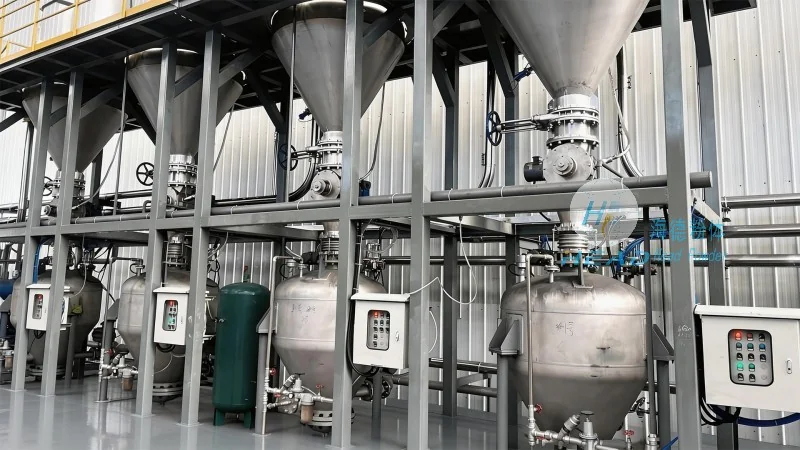
Key Working Scene Characteristics
The effectiveness of methylcellulose material handling equipment is significantly influenced by the specific working environment and application requirements. In pharmaceutical manufacturing, for example, the equipment must adhere to stringent hygiene and contamination control standards. This often involves enclosed systems with HEPA filtration, easy-to-clean surfaces, and validated cleaning processes to meet regulatory requirements. The working scene characteristics also include the need for precise dosing and mixing, as methylcellulose is frequently used as a thickening or stabilizing agent in formulations. In food processing, the equipment may need to comply with food-grade certifications and handle materials under controlled temperature conditions to preserve product integrity. In chemical industries, the focus may shift to handling high-viscosity or heat-sensitive methylcellulose formulations, requiring specialized heating or cooling systems integrated into the conveyor design.
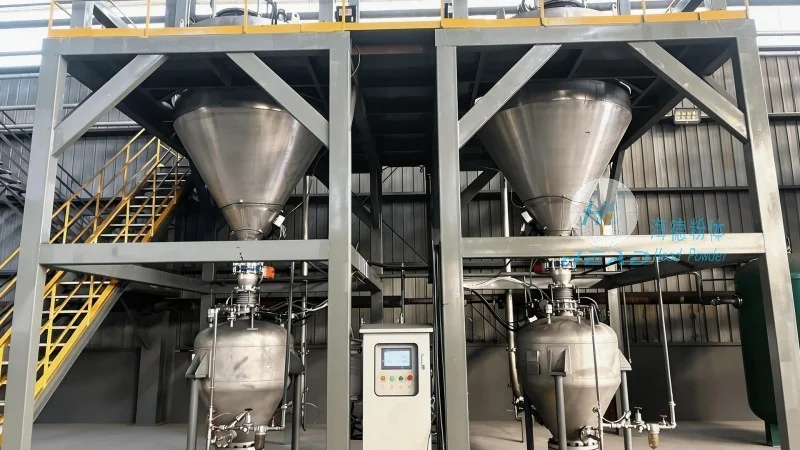
Company Profile: HeadPowder Engineering
HeadPowder Engineering, a leading manufacturer based in Shandong, China, specializes in the design and production of advanced material handling solutions for various industrial applications. With a strong commitment to innovation and quality, the company has developed a range of equipment tailored to the unique needs of methylcellulose processing. The company's facilities are equipped with state-of-the-art technology and adheres to international standards, ensuring that each product meets the highest performance and safety benchmarks. HeadPowder Engineering's team of engineers and technicians work closely with clients to understand their specific challenges and provide customized solutions that enhance operational efficiency and product quality. The company's headquarters is located in Shandong, China, where it continues to expand its research and development capabilities to stay at the forefront of material handling technology.




