HeadPowder, a leading enterprise based in Shandong, China, specializes in the design and implementation of pneumatic conveying systems for cement raw materials. With a strong focus on technological innovation and practical application, the company provides comprehensive solutions that enhance the efficiency and reliability of material handling in cement production facilities.
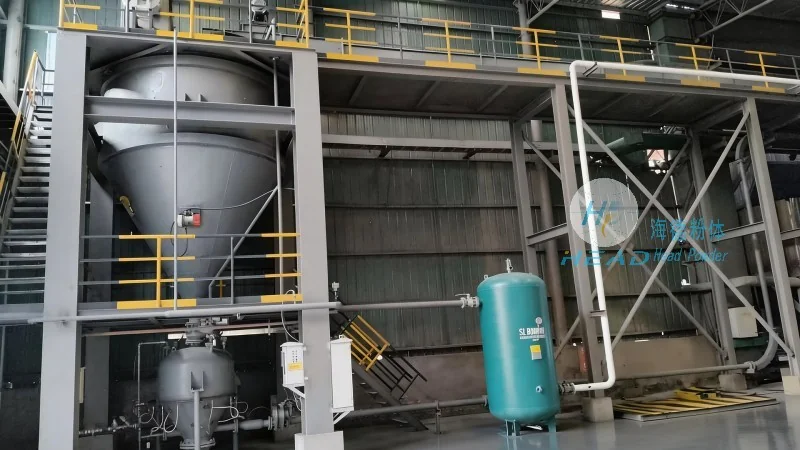
Pneumatic conveying, as a core technology in material transport, operates by utilizing air flow to transport bulk materials. The fundamental principle involves creating a solid-gas two-phase flow where the material particles are suspended and carried by the moving air stream. This method eliminates the need for mechanical components like belts or buckets, reducing wear and tear and minimizing the risk of material contamination. The system typically consists of several key components: a material feeder to introduce the raw material into the pipeline, a conveying pipeline that transports the material to the destination, a separation unit to recover the material from the air stream, and a filter system to clean the exhaust air.
The working scene characteristics of pneumatic conveying for cement raw materials are diverse and tailored to the specific needs of cement production environments. In industrial settings, such as cement plants, the system is often used for internal material transport, including the movement of raw materials from storage silos to the preheater or kiln. This internal transport scenario requires high efficiency and reliability to maintain the continuous operation of the production line. For long-distance transport, pneumatic conveying can effectively handle distances of several kilometers, making it suitable for connecting different production units or even different facilities. The technology also adapts to various raw material types, including limestone, clay, and iron ore, which are commonly used in cement production. Each material type may have different particle sizes and densities, and the conveying system is designed to accommodate these variations, ensuring stable and consistent transport.
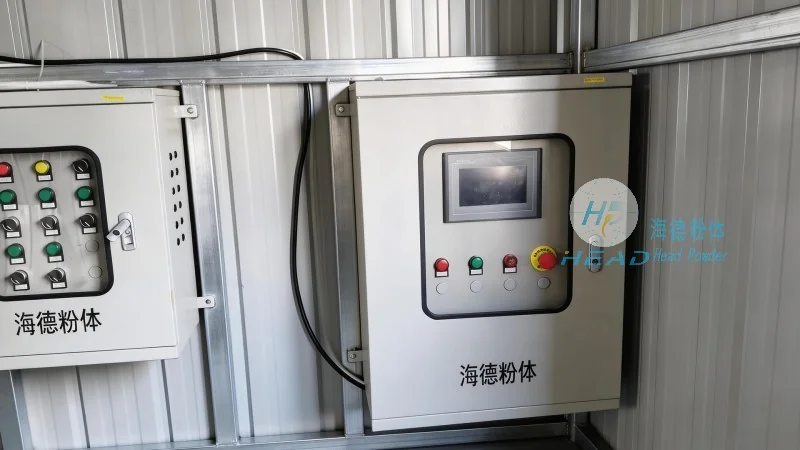
One of the key advantages of pneumatic conveying for cement raw materials is its ability to minimize dust generation and environmental impact. Unlike mechanical conveying methods, which can produce significant dust during material transfer, pneumatic systems operate in a closed or semi-closed environment, reducing airborne particles and improving workplace safety. This feature is particularly important in cement plants, where dust control is a critical regulatory and operational concern. Additionally, the system offers high automation capabilities, allowing for precise control of material flow rates and pressure, which enhances overall production efficiency. The integration of advanced sensors and control systems enables real-time monitoring of the conveying process, ensuring optimal performance and quick response to any operational issues.
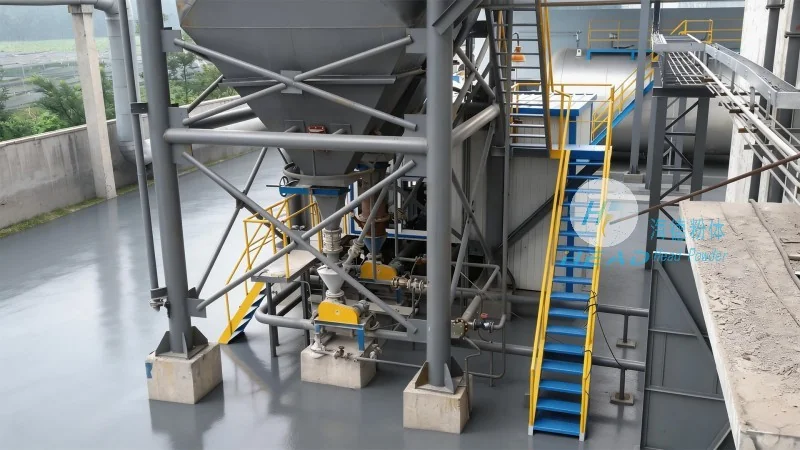
In terms of operational performance, pneumatic conveying systems for cement raw materials demonstrate superior efficiency compared to traditional methods. The continuous flow of material reduces downtime and increases throughput, which is essential for meeting production targets. The system's ability to handle high volumes of material with minimal maintenance also contributes to cost savings over time. Furthermore, the technology's adaptability to different production scales allows it to be implemented in both small-scale and large-scale cement plants, making it a versatile solution for various industrial applications.




