Hydrogen chloride (HCl) is a highly corrosive and hazardous gas, and its powder form poses unique challenges in material handling. Pneumatic conveying is a critical technology for safely and efficiently transporting HCl powder from production sites to processing or storage facilities. This article explores the working principles and key characteristics of pneumatic conveying systems designed for HCl powder, highlighting the technical solutions provided by Shandong HeadPowder Engineering Co., Ltd., a leading manufacturer in the field.
Working Principles of Pneumatic Conveying for Hydrogen Chloride Powder
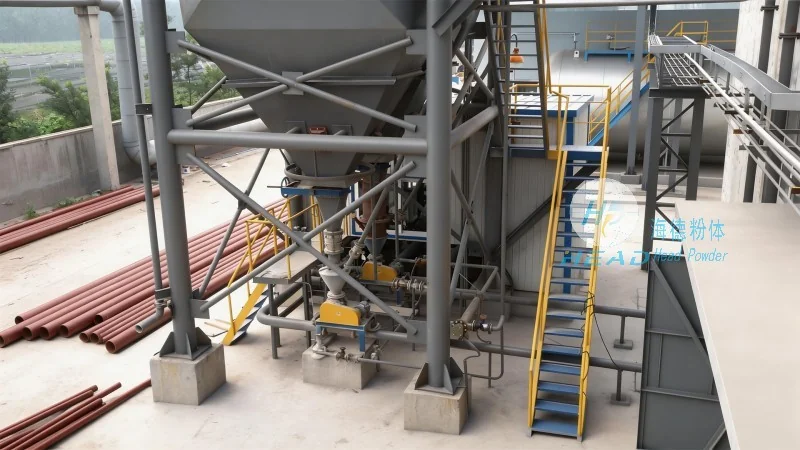
Pneumatic conveying systems for HCl powder operate by using air or other gases to transport the powder through a pipeline network. The core principle involves creating a pressure differential or using vacuum to move the material. There are two main types of pneumatic conveying: pressure conveying and vacuum conveying. In pressure conveying, compressed air is introduced at the material feed point, pushing the powder through the system. Vacuum conveying, on the other hand, uses a vacuum pump to draw the powder from the source into the pipeline. For HCl powder, which is often produced as a fine particulate, a combination of these methods may be employed to ensure optimal flow and minimize material degradation.
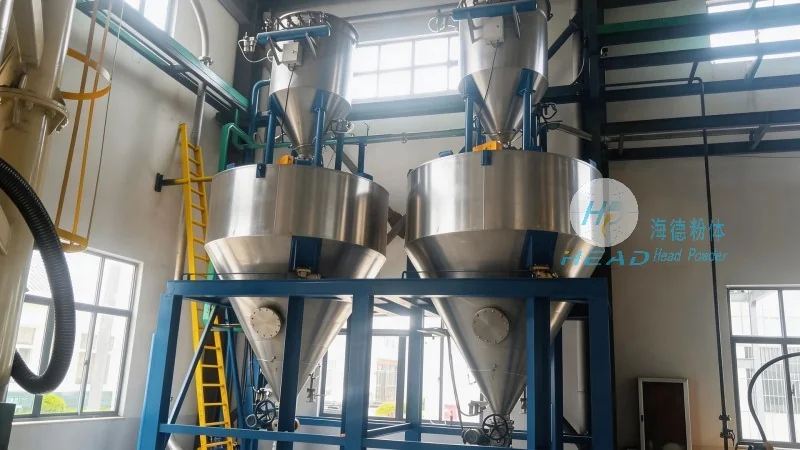
Key components of an HCl powder pneumatic conveying system include the feed hopper, which holds the powder and provides a controlled release; the conveyor line, typically made of corrosion-resistant materials such as stainless steel or special alloys to withstand the acidic nature of HCl; and the control valves and regulators that manage air pressure and flow rates. The system also incorporates dust collection and filtration units to prevent HCl vapor leakage and protect the environment and personnel. Shandong HeadPowder Engineering Co., Ltd. specializes in designing and manufacturing customized pneumatic conveying solutions tailored to the specific properties of HCl powder, ensuring compliance with safety and environmental regulations.
Key Characteristics of HCl Powder Pneumatic Conveying Systems
One of the primary characteristics of HCl powder pneumatic conveying is its ability to handle highly corrosive materials without causing damage to the equipment. The materials used in the conveyor system, such as 316L stainless steel or specialized coatings, are selected to resist the chemical attack from HCl, extending the service life of the equipment. Another important characteristic is the system's efficiency in maintaining low dust emissions and controlling HCl vapor release. Advanced filtration and sealing technologies are integrated into the design to minimize environmental impact and ensure worker safety. Additionally, the systems are designed for flexibility, allowing for changes in material flow rates and pipeline configurations to accommodate varying production demands. The compact design of these systems also contributes to space-saving advantages in industrial settings, making them suitable for both new installations and retrofit applications.
Advantages of Using Pneumatic Conveying for HCl Powder Handling
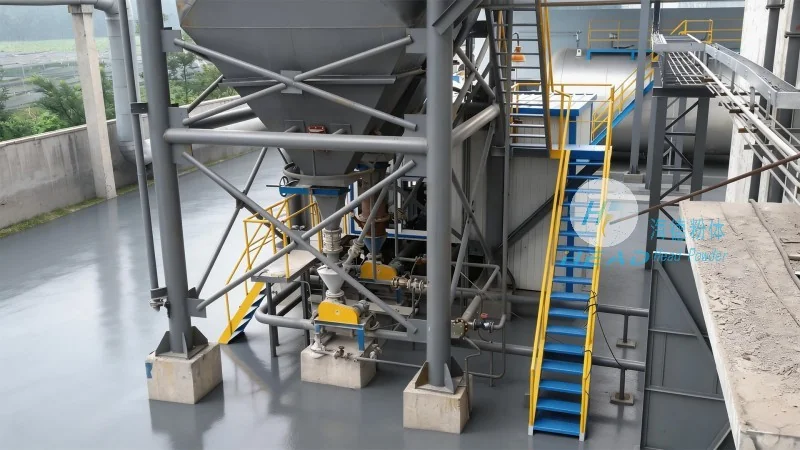
Implementing pneumatic conveying for HCl powder offers several advantages over traditional methods like bucket elevators or belt conveyors. The most significant benefit is the reduction in manual handling, which minimizes the risk of exposure to HCl fumes and dust for workers. The enclosed system design ensures that HCl vapor is contained within the pipeline, preventing leaks and reducing the risk of environmental contamination. Furthermore, pneumatic conveying systems can handle fine and cohesive powders, which are often difficult to transport using mechanical methods. The ability to control the flow rate and pressure allows for precise material delivery, improving process consistency and reducing waste. Shandong HeadPowder Engineering Co., Ltd. emphasizes these advantages in their product offerings, providing reliable and efficient solutions that meet the stringent requirements of the chemical industry.
Customization and Compliance in HCl Powder Pneumatic Conveying
Shandong HeadPowder Engineering Co., Ltd. recognizes that each HCl powder handling application has unique requirements. Therefore, their pneumatic conveying systems are highly customizable to meet specific process needs. The company's engineers work closely with clients to design systems that comply with local and international safety standards, such as those set by the Occupational Safety and Health Administration (OSHA) and the Environmental Protection Agency (EPA). The systems are also designed to handle varying particle sizes and moisture content of HCl powder, ensuring consistent performance. Additionally, the company provides comprehensive support, including installation, maintenance, and training, to ensure that clients can operate the systems safely and efficiently. With a strong focus on quality and innovation, Shandong HeadPowder Engineering Co., Ltd. continues to be a trusted partner in the safe and effective handling of HCl powder through pneumatic conveying technology.




