For industries dealing with lithium manganese oxide (LMO) powders, efficient material handling is crucial to maintain product quality and operational efficiency. Pneumatic conveying systems have emerged as a reliable solution for transporting such fine powders, offering advantages over traditional methods like bucket elevators or belt conveyors. This article explores the working principle and key characteristics of pneumatic conveying for LMO powders, providing insights into how these systems operate and their benefits in industrial applications.
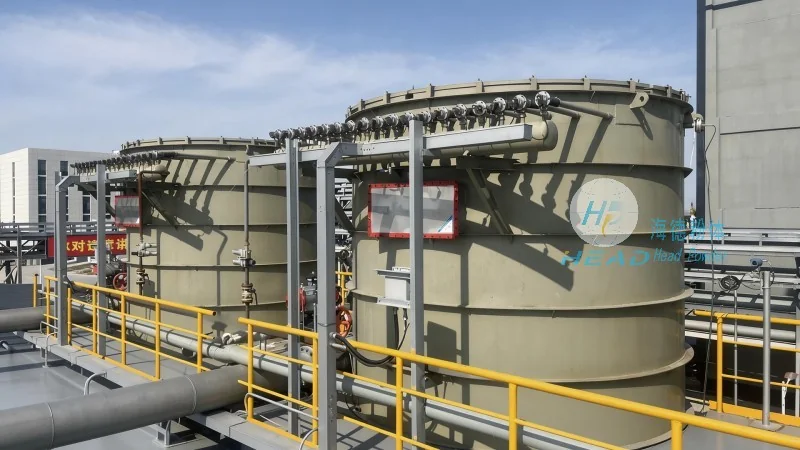
Introduction to Pneumatic Conveying Systems for Lithium Manganese Oxide Powder
Pneumatic conveying, also known as air conveying, is a method of transporting bulk materials through a pipeline using a flow of air or gas. In the context of LMO powders, which are commonly used in lithium-ion batteries, this technology ensures that the material is moved without direct contact with mechanical components, minimizing contamination and degradation. The system typically consists of a hopper, a blower or compressor, a pipeline network, and a discharge device. The LMO powder is fed into the hopper, and the air is introduced to create a flow that carries the powder through the pipeline to the destination point.
Key Working Principles of the Pneumatic Conveying Process
The core working principle of pneumatic conveying for LMO powders revolves around creating a pressure differential between the inlet and outlet of the conveying system. There are two main types of pneumatic conveying: pressure and vacuum. Pressure systems use a positive pressure blower to push the air and powder mixture through the pipeline, while vacuum systems use a vacuum pump to draw the material into the pipeline. For LMO powders, which are often sensitive to moisture and mechanical stress, pressure systems are generally preferred as they provide better control over the material flow and reduce the risk of particle degradation.
In a pressure system, the blower generates a high-pressure air stream that is directed into the hopper containing the LMO powder. The air flow entrains the powder particles, forming a dense or dilute phase mixture depending on the system design. The mixture then travels through the pipeline to the discharge point, where the air is separated from the powder, typically using a cyclone separator or a filter. The separated powder is collected in a receiving bin, while the air is either vented to the atmosphere or recycled back into the system. This process ensures that the LMO powder is transported efficiently and without damage, maintaining its physical and chemical properties.
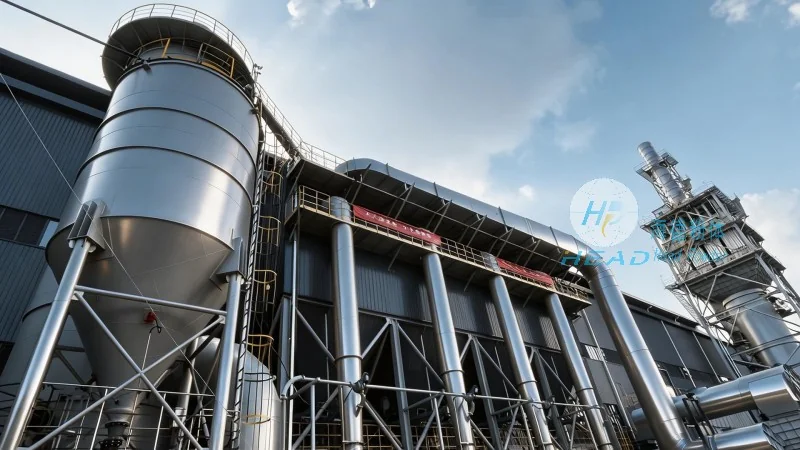
Unique Characteristics of Lithium Manganese Oxide Powder in Pneumatic Conveying
Lithium manganese oxide powders possess specific characteristics that influence the design and operation of pneumatic conveying systems. These characteristics include particle size distribution, moisture content, density, and flowability. The particle size of LMO powders can range from sub-micron to several microns, with a typical average diameter of 1-10 microns. This fine particle size makes the powder prone to agglomeration and bridging in hoppers, which can lead to blockages if not properly managed. Therefore, the pneumatic conveying system must include features such as vibration or aeration to break up agglomerates and ensure smooth material flow.
Moisture content is another critical factor, as LMO powders are hygroscopic and can absorb moisture from the air, leading to caking and reduced conductivity. Pneumatic conveying systems for LMO powders are often equipped with drying or dehumidification units to maintain low moisture levels. The density of LMO powders is relatively high, around 3-4 g/cm³, which affects the conveying velocity and the required air flow rate. Higher density means that more air is needed to achieve the desired conveying rate, but it also allows for higher material throughput compared to lighter powders.
Flowability is a key characteristic that impacts the efficiency of the pneumatic conveying system. LMO powders with good flowability, such as those with a smooth surface and uniform particle size, can be conveyed more easily. However, some LMO powders may exhibit poor flowability due to agglomeration or moisture, requiring additional measures like pre-treatment or the use of additives to improve their flow properties. The characteristics of LMO powders also influence the choice of conveying system type. For example, dense phase conveying, where the powder is conveyed at a higher concentration with lower air velocity, is often used for LMO powders to minimize particle breakage and maintain product integrity.
Company Profile: Shandong HeadPowder Engineering Co., Ltd.
Shandong HeadPowder Engineering Co., Ltd., commonly known as HeadPowder, is a leading manufacturer and supplier of pneumatic conveying systems and related equipment for the lithium battery industry. With headquarters in Shandong, China, the company specializes in designing and manufacturing customized solutions for handling fine powders, including lithium manganese oxide. HeadPowder's expertise lies in understanding the unique properties of materials like LMO and tailoring pneumatic conveying systems to meet the specific requirements of each application. The company's products are known for their high efficiency, reliability, and ability to maintain the quality of sensitive powders.
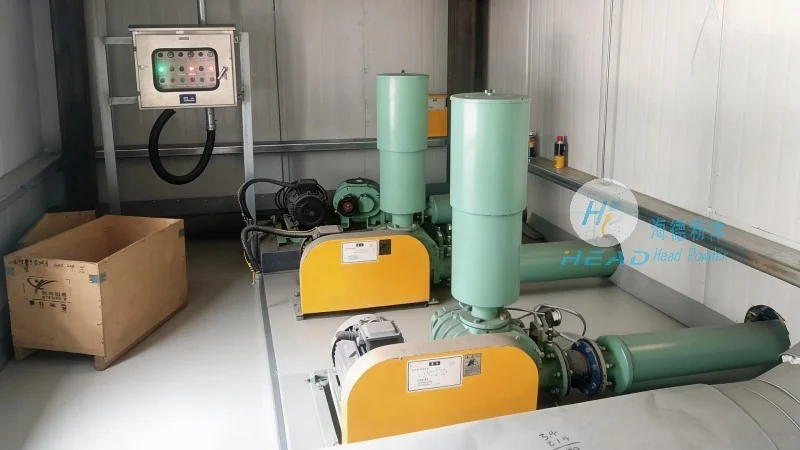
Technical Advantages and Practical Applications
The pneumatic conveying systems for LMO powders offered by HeadPowder provide several technical advantages. One of the primary benefits is the ability to transport the powder in a closed system, which prevents contamination from external sources and minimizes dust emissions. This is particularly important for LMO powders, which are used in high-purity applications such as lithium-ion batteries, where any contamination can affect the battery performance and lifespan. The closed system also reduces the risk of fire or explosion, as the powder is not exposed to open air.
Another advantage is the flexibility of the system, which can be adapted to various production scales and layouts. HeadPowder designs systems that can handle small batches of LMO powder for laboratory or pilot production, as well as large-scale systems for industrial manufacturing. The systems are also modular, allowing for easy expansion or modification as production needs change. This flexibility makes them suitable for a wide range of applications, from research and development to large-scale battery production.
In practical applications, pneumatic conveying systems for LMO powders are used in various stages of the battery manufacturing process. For example, they are used to transport LMO powder from storage silos to mixing and coating lines, ensuring a consistent and controlled feed rate. The systems are also used to convey the finished LMO powder to packaging and shipping facilities, maintaining its quality throughout the process. By using pneumatic conveying, manufacturers can improve their production efficiency, reduce material waste, and enhance product quality, leading to better overall performance in the lithium battery industry.




