Understanding the working principle and features of a kaolin powder material handling system is crucial for industries that rely on efficient and reliable transportation of this fine mineral. This article delves into the technical aspects of such systems, highlighting how they operate and the key characteristics that make them effective for processing kaolin powder.
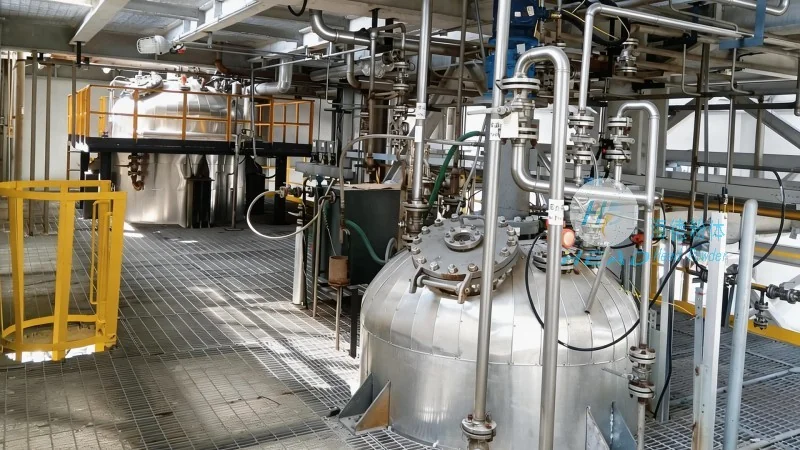
Overview of Kaolin Powder Material Handling Systems
Kaolin powder, a soft, white clay mineral, is widely used in various industries including ceramics, paper, and cosmetics due to its unique properties like high whiteness and low impurity content. The material handling systems designed for kaolin powder must address challenges such as dust generation, static electricity, and the need for gentle handling to preserve the powder's quality. These systems typically consist of several components that work in tandem to ensure safe and efficient transport from storage to processing units.
Working Principle of the Material Handling System
The core working principle of a kaolin powder material handling system involves the use of pneumatic conveying or mechanical conveying methods, depending on the specific requirements of the application. Pneumatic conveying systems utilize air pressure to move the powder through pipelines, while mechanical systems rely on screw conveyors, belt conveyors, or bucket elevators. In a typical setup, kaolin powder is first collected from storage silos or hoppers and then fed into a conveyor system. The system may include components like feeders, cyclones, and filters to control the flow and prevent dust leakage. The conveying process is carefully controlled to maintain the powder's particle size distribution and avoid agglomeration, which could affect downstream processing.
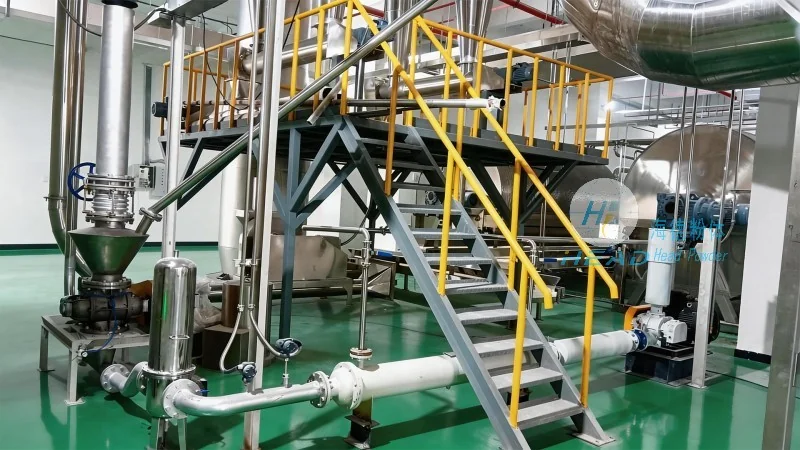
Key Features of the System Equipment
Several key features distinguish high-quality kaolin powder material handling systems. Firstly, the system is designed with dust control measures to minimize environmental impact and ensure workplace safety. This includes sealed hoppers, enclosed conveyors, and efficient filtration systems that capture fine particles before they are released into the air. Secondly, the equipment is constructed from materials that are resistant to corrosion and wear, as kaolin powder can be abrasive over time. Stainless steel or special alloys are often used for components that come into direct contact with the powder. Thirdly, the system incorporates advanced control systems that allow for precise regulation of flow rates and pressure, ensuring consistent performance and reducing the risk of system downtime. Additionally, the design emphasizes energy efficiency, with optimized air flow and motor controls that reduce operational costs while maintaining performance.
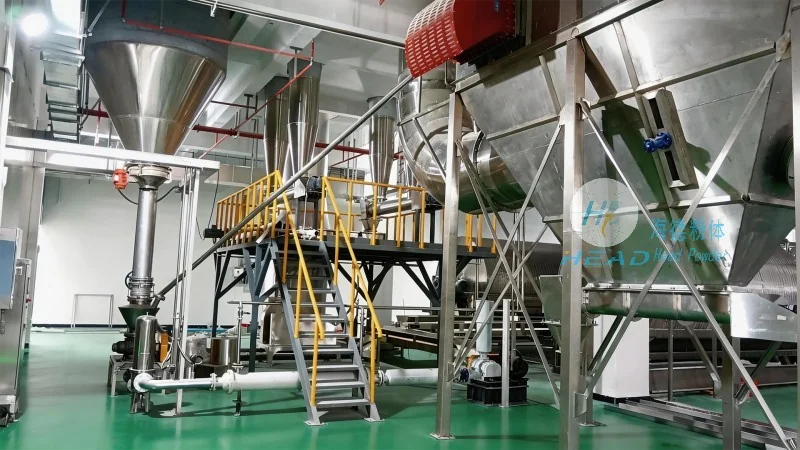
Application-Specific Considerations
The features and working principles of the material handling system can be tailored to meet the specific needs of different industries. For example, in the ceramics industry, where kaolin is used as a raw material, the system may need to handle larger quantities of powder with higher precision to maintain the quality of the final product. In the paper industry, the system might focus on minimizing moisture content and preventing static buildup, which can affect paper quality. The flexibility of the system design allows for customization to accommodate these varying requirements, ensuring optimal performance in each application.
Conclusion
In summary, the working principle and features of a kaolin powder material handling system are centered on efficient, safe, and gentle transport of the fine mineral. By integrating advanced control systems, robust construction materials, and effective dust control measures, these systems provide reliable performance for industries that depend on kaolin powder. The design and operation of such systems are critical to maintaining the quality of the powder and ensuring smooth operations in processing facilities.




