Understanding Pneumatic Conveying of Hydrated Lime: Classification and Applications
Release time:2026-09-14 10:48:22
name of the company:Shandong Headpowder Engineering Co., Ltd.
telephone:156-6277-7102
contacts:Zhang manager
Hydrated lime, also known as slaked lime, is a widely used chemical in various industries due to its versatile properties. The efficient handling and transportation of hydrated lime are crucial for industrial processes, and pneumatic conveying has emerged as a reliable method for this purpose. This article explores the concept of hydrated lime pneumatic conveying, its classification, and practical applications.
What is Hydrated Lime Pneumatic Conveying?
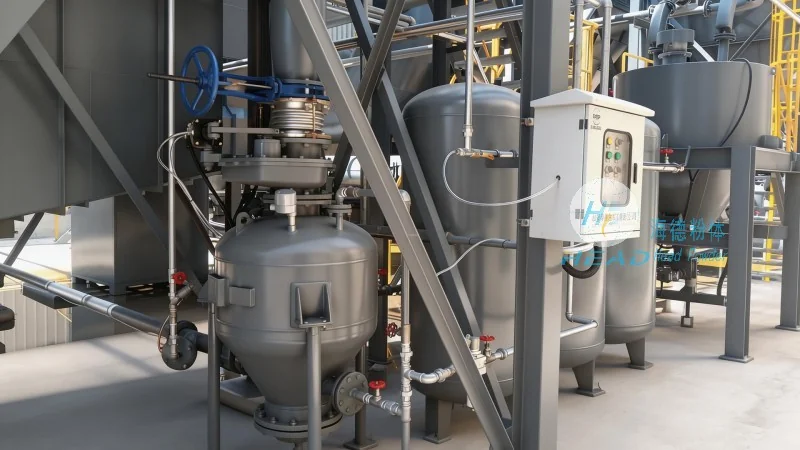
Hydrated lime pneumatic conveying refers to the process of transporting hydrated lime powder through a pipeline using air or gas as the conveying medium. This method eliminates the need for mechanical components like belts or buckets, reducing maintenance and operational costs. The system typically consists of a hopper, a rotary valve, a conveyor line, and a receiver, all working in tandem to move the material from the source to the destination.
Classification of Pneumatic Conveying Systems
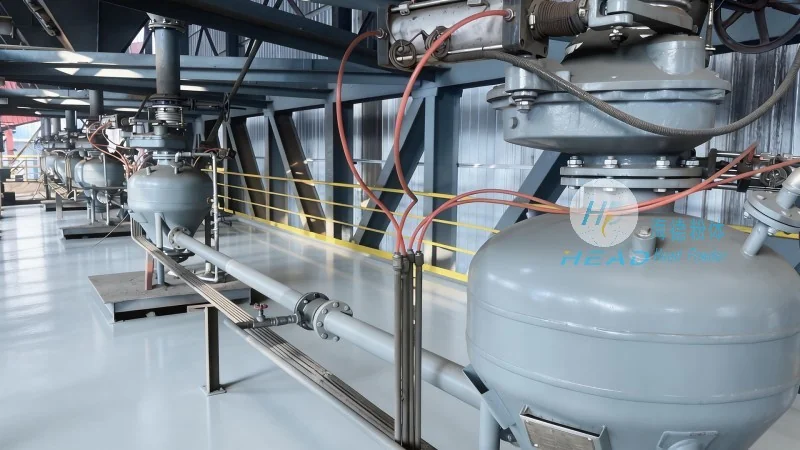
Pneumatic conveying systems are categorized based on the pressure of the conveying medium and the direction of material flow. The primary types include:
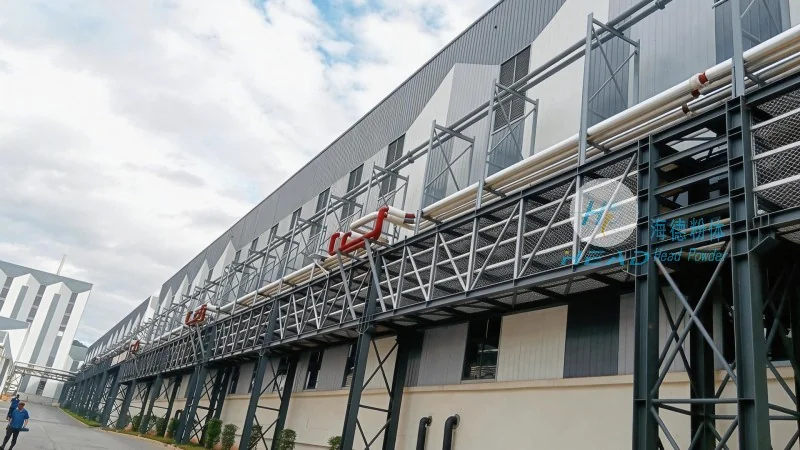
- Atmospheric (or Vacuum) Conveying: This system operates under negative pressure, drawing material from the source into the pipeline. It is suitable for short distances and low to medium material flow rates.
- Pressure Conveying: In this method, the conveying medium is pressurized, pushing the material through the pipeline. It is ideal for longer distances and higher material flow rates, offering greater control over the process.
- Mixed Conveying: A combination of both vacuum and pressure systems, providing flexibility for different operational requirements and material characteristics.
Applications of Hydrated Lime Pneumatic Conveying
Hydrated lime is used in numerous applications across industries such as construction, water treatment, and environmental remediation. The pneumatic conveying method ensures safe and efficient delivery of the material to these applications:
- Construction Industry: Hydrated lime is used as a component in mortar and plaster, where precise dosing and uniform mixing are essential. Pneumatic conveying ensures consistent material quality and reduces dust exposure for workers.
- Water Treatment: In water treatment plants, hydrated lime is used for pH adjustment and coagulation. The system must handle large volumes of material and maintain high purity, which pneumatic conveying systems excel at.
- Environmental Remediation: For soil and water remediation projects, hydrated lime is applied to neutralize acidic soils or treat contaminated water. The ability to transport the material over long distances without degradation is critical for such applications.
Advantages of Using Pneumatic Conveying for Hydrated Lime
Implementing pneumatic conveying for hydrated lime offers several advantages over traditional methods:
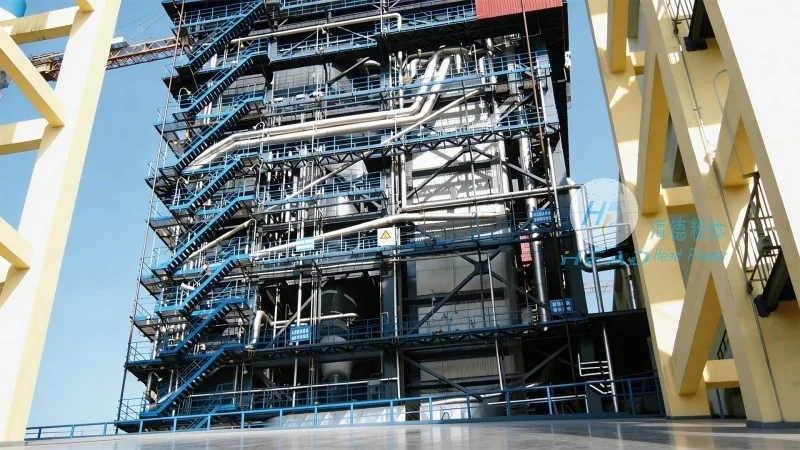
- Reduced Downtime and Maintenance: With fewer mechanical parts, the system experiences less wear and tear, leading to lower maintenance costs and increased operational uptime.
- Improved Safety: The enclosed system minimizes dust emissions, protecting workers from respiratory hazards and reducing the risk of fire or explosion.
- Enhanced Process Control: Precise control over air flow and pressure allows for accurate material dosing, ensuring consistent product quality and process efficiency.
- Space Efficiency: The compact design of pneumatic conveying systems saves valuable floor space in industrial facilities.
Company Profile: Shandong HeadPowder Engineering Co., Ltd.
Shandong HeadPowder Engineering Co., Ltd., based in Shandong, China, specializes in the design, manufacturing, and installation of advanced pneumatic conveying systems tailored to the needs of various industries. With a focus on innovation and quality, the company provides customized solutions for transporting materials like hydrated lime efficiently and safely. Their expertise in material handling technology ensures that clients receive systems that meet their specific operational requirements and comply with industry standards.




