

Working Principle and Features of Phosphorus Pentachloride Material Handling System Equipment
Phosphorus pentachloride (PCl₅) is a highly reactive chemical compound widely used in various industrial applications, including organic synthesis and chemical manufacturing. The efficient and safe handling of PCl₅ is crucial due to its corrosive nature and potential hazards. This article explores the working principles and key features of specialized material handling systems designed for PCl₅ transport and processing, highlighting the technological advancements and operational advantages offered by such equipment.
Company Overview: Shandong HeadPowder Engineering Co., Ltd.
HeadPowder, a leading engineering firm based in Shandong, China, specializes in the design, manufacturing, and installation of advanced material handling solutions for hazardous chemicals. With a strong commitment to safety, efficiency, and innovation, the company has established itself as a trusted partner in the chemical processing industry. HeadPowder's expertise in handling reactive substances like PCl₅ ensures that their systems meet the highest standards of performance and reliability.
Working Principle of Phosphorus Pentachloride Material Handling Systems
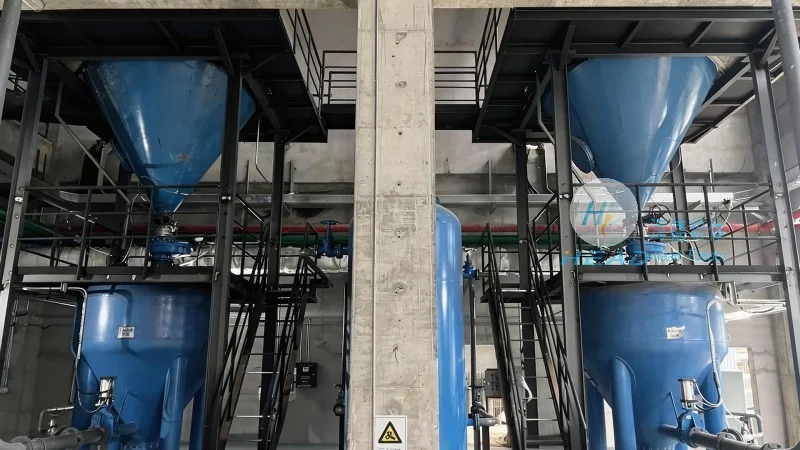
The core of a PCl₅ material handling system lies in its ability to safely transport and process the chemical while minimizing exposure risks. The system typically operates through a combination of sealed containers, vacuum or pressure-controlled pipelines, and automated control mechanisms. The process begins with the storage of PCl₅ in specialized, corrosion-resistant vessels. These vessels are equipped with pressure sensors and safety valves to prevent over-pressurization or leaks. From the storage tank, the PCl₅ is transferred to the processing unit via a sealed pipeline system, often using inert gas (such as nitrogen) to maintain a safe environment and prevent unwanted reactions.
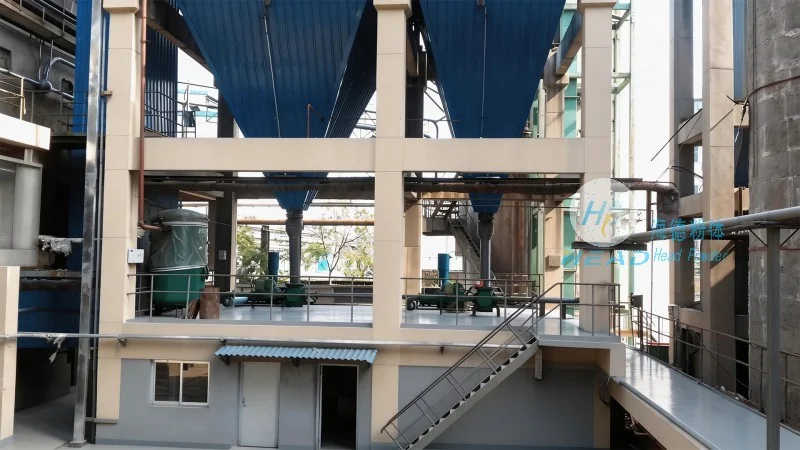
During transport, the system maintains a controlled flow rate and temperature to ensure the chemical remains stable. The pipelines are lined with materials that are chemically compatible with PCl₅, such as PTFE or specialized alloys, to prevent corrosion and contamination. At the processing end, the system may include reactors or reactors where the PCl₅ is used in chemical reactions. The entire process is monitored by a centralized control system that tracks parameters like pressure, temperature, and flow rate, ensuring that all operations are within safe limits.
Key Features of the Phosphorus Pentachloride Material Handling Equipment
HeadPowder's PCl₅ material handling systems are designed with several critical features that enhance safety, efficiency, and reliability. One of the primary features is the use of fully sealed and hermetically sealed components, which eliminate the risk of leaks and exposure to the environment. The systems are equipped with multiple safety interlocks, including pressure relief valves, emergency shut-off valves, and gas detection sensors, to provide an additional layer of protection.
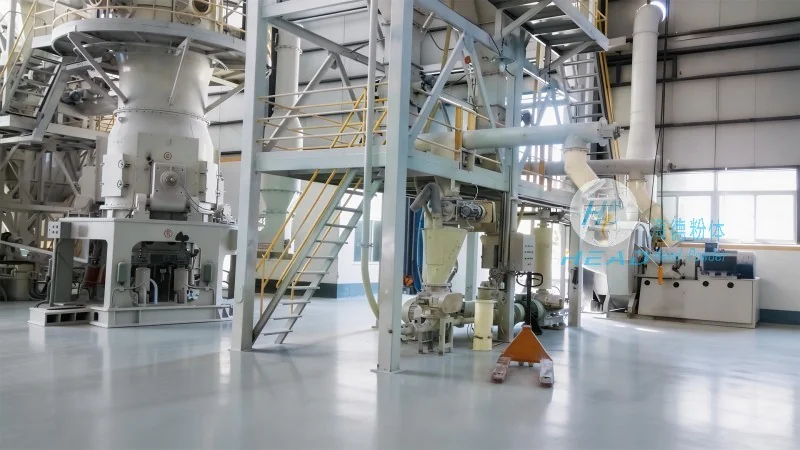
Another key feature is the integration of advanced automation and control systems. These systems allow for real-time monitoring and adjustment of process parameters, ensuring optimal performance and minimizing human error. The control panels are designed with user-friendly interfaces that provide clear visibility of all operational parameters, enabling operators to quickly identify and address any issues.
The equipment also incorporates corrosion-resistant materials and coatings to withstand the harsh chemical environment of PCl₅. For example, the pipelines and storage vessels are often lined with PTFE or other non-reactive materials that prevent chemical attack and extend the lifespan of the system. Additionally, the system includes regular maintenance and inspection protocols to ensure long-term reliability and safety.
Operational Advantages and Applications
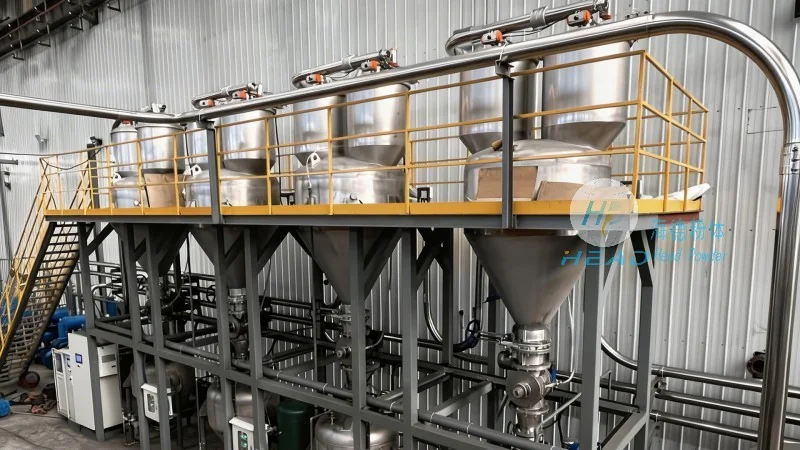
The implementation of specialized PCl₅ material handling systems offers several operational advantages for chemical manufacturers. Firstly, the sealed and automated design reduces the risk of accidents and exposure to hazardous chemicals, improving workplace safety. Secondly, the efficient transfer and processing capabilities enhance productivity and reduce downtime. Thirdly, the advanced control systems enable precise control over the chemical process, leading to better product quality and consistency.
These systems are widely used in various industrial applications, including pharmaceuticals, agrochemicals, and specialty chemicals. In pharmaceutical manufacturing, PCl₅ is used as a reagent in the synthesis of active pharmaceutical ingredients (APIs), and the specialized handling systems ensure that the chemical is processed safely and efficiently. In agrochemical production, PCl₅ is used in the synthesis of herbicides and pesticides, and the systems help maintain the quality and safety of the final products.