Activated carbon is a widely used material in various industrial processes due to its excellent adsorption properties. Pneumatic conveying is a method used to transport bulk materials through a pipeline using air or other gas as the conveying medium. When these two technologies are combined, we get activated carbon pneumatic conveying, a process that plays a crucial role in many industries. This article will explore the concept of activated carbon pneumatic conveying, the different classifications of pneumatic conveying systems, and its practical applications.
Understanding Activated Carbon Pneumatic Conveying
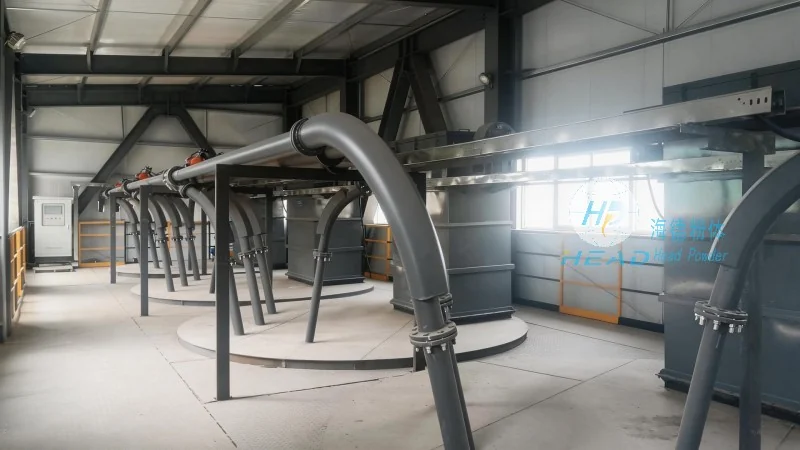
Activated carbon pneumatic conveying involves the transport of activated carbon particles through a pipeline using air or gas as the conveying medium. The process typically starts with the activated carbon being fed into a hopper or feeder, which then transfers the material into the conveying line. The air or gas is then introduced into the system, creating a flow that carries the carbon particles through the pipeline to the destination point, such as a storage silo or processing unit. This method offers several advantages over traditional methods, including the ability to handle fine powders without clogging, reduced material degradation, and improved safety by eliminating the need for manual handling of bulk materials.
Classification of Pneumatic Conveying Systems
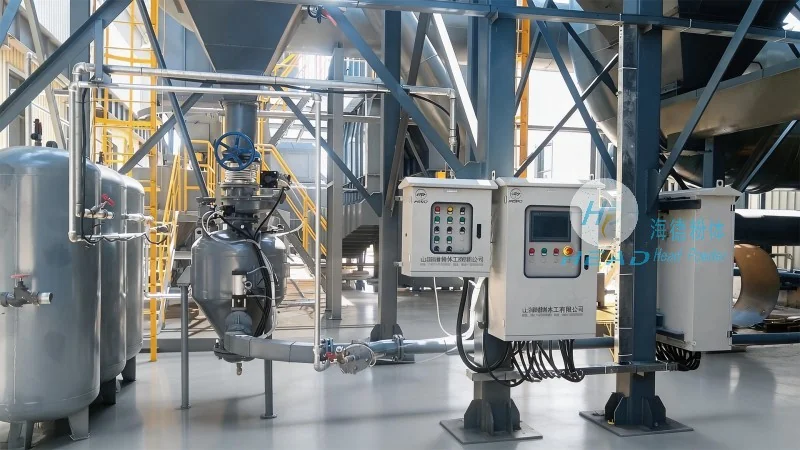
Pneumatic conveying systems can be classified based on several factors, including the pressure used, the type of material being conveyed, and the system design. The main classifications are pressure and vacuum systems. Pressure systems operate by generating positive pressure in the conveying line, which pushes the material forward. These systems are suitable for conveying materials over longer distances and at higher speeds. Vacuum systems, on the other hand, operate by creating a negative pressure in the receiving hopper, which draws the material into the pipeline. Vacuum systems are often used for short-distance conveying or when the material needs to be collected from a source that is lower than the conveying line.
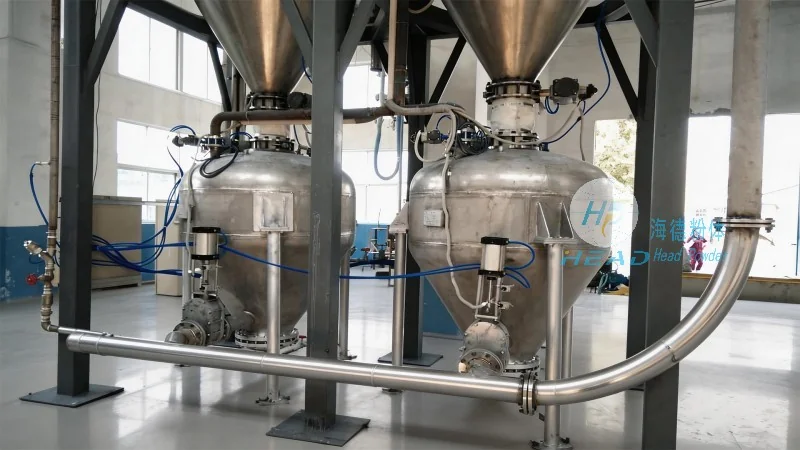
Within these main categories, there are further subtypes. For example, pressure systems can be divided into positive pressure dilute phase and positive pressure dense phase systems. Dilute phase systems use low pressure and high air-to-material ratios, making them suitable for fine powders that need to be conveyed over long distances. Dense phase systems use higher pressure and lower air-to-material ratios, which results in a more concentrated flow of material. This method is ideal for handling abrasive or fragile materials that could be damaged by high-velocity air flow. Vacuum systems also have subtypes, such as venturi and rotary valve systems. Venturi systems use a venturi tube to create the vacuum, while rotary valve systems use a rotating valve to control the flow of material into the pipeline.
Applications of Pneumatic Conveying in Activated Carbon Handling
Activated carbon pneumatic conveying is widely used in various industries due to its efficiency and flexibility. One of the primary applications is in the water treatment industry, where activated carbon is used for adsorbing contaminants such as organic compounds, chlorine, and heavy metals from water. The pneumatic conveying system allows for the easy transport of activated carbon from storage to the water treatment plant, ensuring a consistent supply of the material. Another important application is in the pharmaceutical and food industries, where activated carbon is used for purification and deodorization processes. The ability to handle fine powders without clogging makes pneumatic conveying an ideal choice for these industries, as it ensures the quality and purity of the final product.
In the chemical industry, activated carbon is used as a catalyst or adsorbent in various processes. Pneumatic conveying allows for the efficient transport of activated carbon to reactors or processing units, ensuring that the material is delivered in the correct quantity and at the right time. This is particularly important in processes that require precise control over the amount of activated carbon used, as even small variations can affect the efficiency of the process. Additionally, in the environmental remediation industry, activated carbon is used to treat contaminated soil and groundwater. The pneumatic conveying system enables the transport of activated carbon to the treatment site, where it can be applied to the contaminated areas to adsorb the pollutants.
Advantages and Considerations of Activated Carbon Pneumatic Conveying
Activated carbon pneumatic conveying offers several advantages over traditional methods of material handling. One of the main advantages is the ability to handle fine powders without clogging the pipeline. This is achieved by using high-velocity air flow, which keeps the particles suspended and prevents them from settling. Another advantage is the reduced material degradation, as the material is not subjected to mechanical stress or abrasion during transport. This is particularly important for activated carbon, which can be easily damaged by high-velocity air flow or mechanical handling.
However, there are also some considerations to keep in mind when using activated carbon pneumatic conveying. One of the main challenges is the potential for dust explosions, as activated carbon is a fine powder that can become airborne and ignite. To prevent this, it is important to use explosion-proof equipment and to maintain proper ventilation in the system. Another consideration is the energy consumption, as pneumatic conveying systems can be energy-intensive, especially when operating at high pressures. However, the benefits of using this method often outweigh the energy costs, especially when considering the efficiency and safety advantages.
About Shandong HeadPowder Engineering Co., Ltd.
Shandong HeadPowder Engineering Co., Ltd. is a leading manufacturer and supplier of pneumatic conveying systems and related equipment. The company specializes in the design, manufacturing, and installation of customized pneumatic conveying solutions for various industries, including the activated carbon industry. With years of experience in the field, the company has developed a wide range of products that are designed to meet the specific needs of its customers. The company's products are known for their high quality, durability, and efficiency, and are used by many leading companies in the industry. HeadPowder is committed to providing its customers with the best possible service and support, ensuring that their pneumatic conveying systems operate at their optimal performance.
HeadPowder's facilities are located in Shandong, China, and the company has a strong team of engineers and technicians who are dedicated to developing innovative solutions for its customers. The company's products are manufactured using the latest technology and materials, ensuring that they meet the highest standards of quality and safety. HeadPowder is committed to sustainability and environmental responsibility, and its products are designed to minimize the environmental impact of material handling processes. The company also provides comprehensive after-sales service, including maintenance, repair, and technical support, to ensure that its customers' systems operate smoothly and efficiently.




