HeadPowder, a leading provider of material handling solutions for the lithium-ion battery industry, understands the critical role that anode material handling plays in battery production. The company specializes in designing and manufacturing systems tailored to the unique challenges of anode material transport, ensuring that materials are handled with precision and care to maintain their quality and performance.
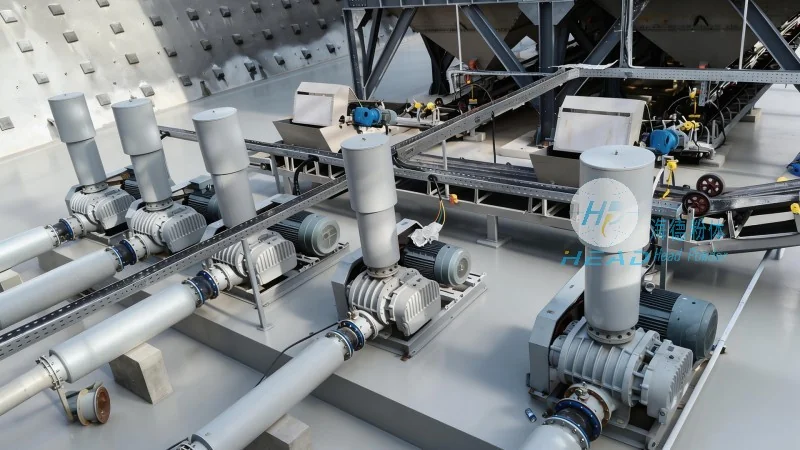
Overview of Lithium-Ion Battery Anode Materials and Handling Challenges
Lithium-ion battery anode materials, such as graphite, silicon, and lithium iron phosphate, are typically produced in powder form and require careful handling to preserve their chemical and physical properties. These materials are often hygroscopic (absorb moisture from the air) and can be prone to agglomeration or degradation if not handled properly. Additionally, the high volume and weight of anode material batches necessitate robust and reliable transport systems that can handle large quantities while maintaining material integrity. The primary challenges in anode material handling include preventing contamination, controlling moisture exposure, minimizing dust generation, and ensuring consistent flow rates to downstream processing equipment.
Common Handling Methods for Lithium-Ion Battery Anode Materials
Several methods are widely used in the lithium-ion battery manufacturing industry to transport anode materials from storage to processing units. Each method has distinct characteristics that make it suitable for different production scales, material types, and operational environments. The following sections compare the most common handling approaches:
1. Gravity Flow Systems
Gravity flow systems utilize the natural force of gravity to move anode materials from one point to another. These systems typically consist of inclined chutes, hoppers, and conveyor belts that allow materials to flow downward without the need for external power. Gravity flow is particularly effective for handling dry, free-flowing materials like graphite or silicon powders, as they can move smoothly along the inclined surfaces with minimal friction. The primary advantages of gravity flow include low energy consumption, simplicity in design, and reduced risk of material degradation due to minimal mechanical contact. However, gravity flow systems are limited by the need for a suitable elevation change and may not be suitable for materials with poor flow characteristics or those requiring precise control over flow rates.
2. Pneumatic Conveying Systems
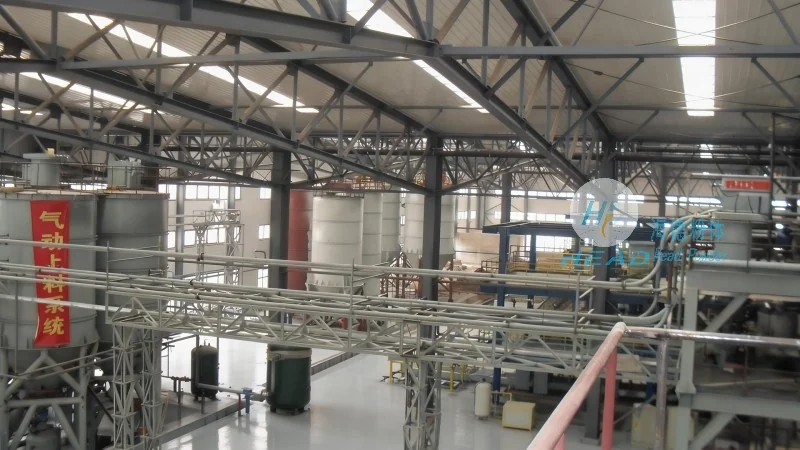
Pneumatic conveying systems use air or other gases to transport anode materials through a network of pipes and ducts. These systems can be categorized into two main types: pressure and vacuum systems. Pressure systems generate air pressure to push material through the pipeline, while vacuum systems create a negative pressure to draw material from the source. Pneumatic conveying is highly effective for handling fine powders and can transport materials over long distances with minimal dust generation. It is particularly useful for applications where contamination control is critical, as the material is enclosed within the pipeline, preventing exposure to the environment. However, pneumatic systems require significant energy input to move material, and the cost of compressed air can be a factor. Additionally, certain materials may cause blockages or abrasion to the pipeline if not properly matched with the system design.
3. Mechanical Conveying Systems
Mechanical conveying systems rely on mechanical components, such as belts, screws, and buckets, to transport anode materials. Belt conveyors are commonly used for bulk material handling, providing a continuous and reliable flow of materials over short to medium distances. Screw conveyors, also known as augers, are ideal for handling cohesive or sticky materials, as the rotating screw pushes material forward through a closed tube. Bucket elevators are used to lift materials vertically, making them suitable for multi-level production facilities. Mechanical conveying systems offer high capacity and precise control over flow rates, making them suitable for large-scale production lines. The main advantages include low maintenance costs and the ability to handle a wide range of material types. However, mechanical systems may generate more dust and require regular cleaning to prevent material buildup, and they can be more expensive to install compared to gravity or pneumatic systems.
4. Hybrid Handling Solutions
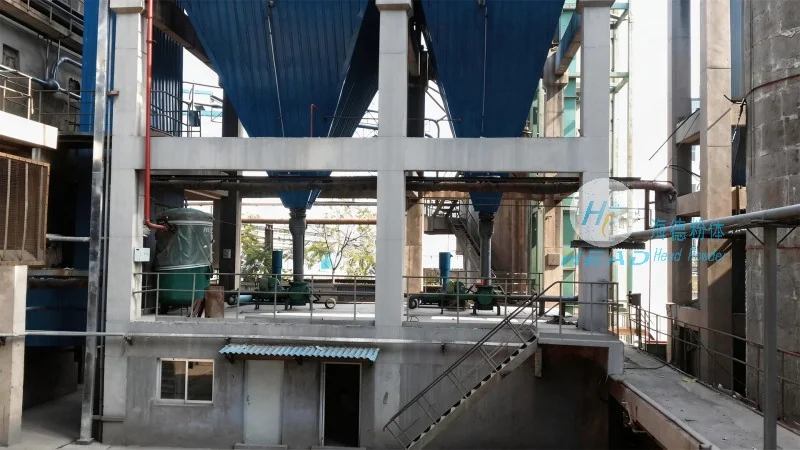
In many cases, manufacturers opt for hybrid systems that combine multiple handling methods to address specific production challenges. For example, a gravity flow system may be used to move materials from a storage silo to a pneumatic conveyor, which then transports the material to the processing unit. Hybrid systems allow for greater flexibility and can optimize the use of each handling method's strengths. They are particularly useful in complex production lines where different sections require different handling approaches. The key to successful hybrid systems is careful integration and control to ensure smooth material flow and minimal disruptions.
Key Considerations for Selecting a Handling Method
When selecting a handling method for lithium-ion battery anode materials, several factors must be considered to ensure optimal performance and cost-effectiveness. These factors include the physical properties of the material (e.g., particle size, moisture content, flowability), the production scale and throughput requirements, the distance between the storage and processing areas, and the available space and budget. Additionally, the need for contamination control, dust suppression, and energy efficiency should be evaluated. For example, if the anode material is highly hygroscopic and requires strict moisture control, a closed pneumatic system may be preferred over an open gravity flow system. Conversely, for large-scale production of free-flowing materials with minimal contamination concerns, a mechanical belt conveyor may be the most cost-effective solution.
Conclusion
The choice of anode material handling method is a critical decision for lithium-ion battery manufacturers, as it directly impacts production efficiency, material quality, and operational costs. Gravity flow, pneumatic conveying, and mechanical conveying are the most common methods, each with distinct advantages and limitations. By carefully evaluating the material properties, production requirements, and operational constraints, manufacturers can select the most suitable handling method to ensure smooth and reliable operation of their battery production lines. As the lithium-ion battery industry continues to grow, the development of advanced handling technologies will play a vital role in improving production efficiency and maintaining the high quality standards required for modern batteries.




