When it comes to the transportation of PTA (Polyethylene Terephthalate Acid) in industrial settings, selecting the right conveying method is crucial for efficiency, safety, and cost-effectiveness. PTA is a key raw material in the production of polyester fibers and resins, and its handling requires specialized equipment to ensure minimal degradation and optimal performance. This article provides a detailed comparison of common PTA conveying methods, highlighting their advantages and disadvantages, to help industrial operators make informed decisions.
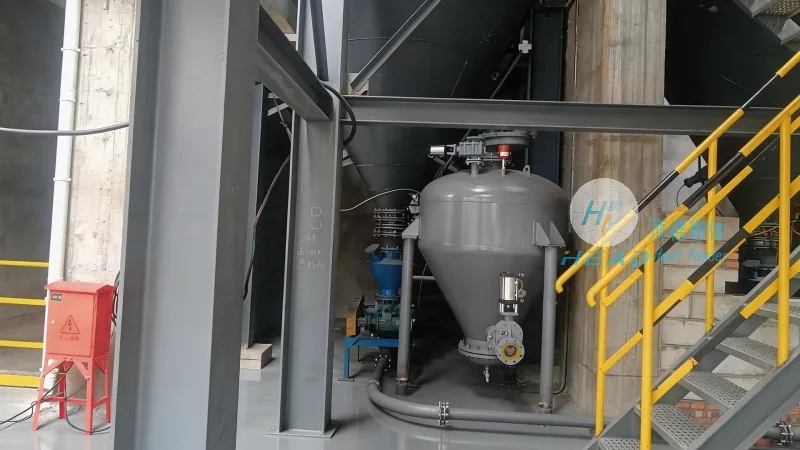
Introduction to PTA Conveying
PTA is a fine, crystalline powder that is highly sensitive to moisture and temperature changes. Proper conveying systems must maintain these conditions to prevent caking, agglomeration, and loss of product quality. The choice of conveying method depends on factors such as the volume of PTA to be handled, the distance it needs to be transported, the environment (e.g., indoor or outdoor), and the specific requirements of the production line. Common PTA conveying methods include screw conveyors, belt conveyors, pneumatic conveyors, and bucket elevators. Each method has its own set of benefits and drawbacks, which are discussed below.
Screw Conveyors: A Traditional and Reliable Option
Screw conveyors, also known as auger conveyors, are one of the most widely used PTA conveying methods. They consist of a rotating screw (auger) inside a cylindrical tube, which moves the material forward through the tube. This method is particularly suitable for horizontal or slightly inclined transport of PTA. The main advantages of screw conveyors include their simplicity, low maintenance requirements, and ability to handle a wide range of materials without the need for additional components. They are also relatively inexpensive and can be easily integrated into existing production lines.
However, screw conveyors have several limitations when used for PTA. One of the primary disadvantages is the risk of material degradation due to friction and heat generated by the rotating screw. PTA particles can be crushed or heated, leading to reduced purity and quality. Additionally, screw conveyors are not suitable for vertical transport over long distances, as the pressure and friction increase significantly, potentially causing blockages or equipment damage. Another drawback is that they are not ideal for handling fine powders that tend to segregate or form clumps, which can affect the uniformity of the conveyed material.
Belt Conveyors: High-Capacity and Versatile Solutions
Belt conveyors are another popular choice for PTA transportation, especially in applications requiring high volume and long-distance transport. These systems use a continuous belt that moves over rollers or pulleys, carrying the PTA from one point to another. Belt conveyors are highly efficient for horizontal and slightly inclined transport and can handle large quantities of material with minimal labor. They are also versatile, as the belt can be adjusted to accommodate different particle sizes and shapes.
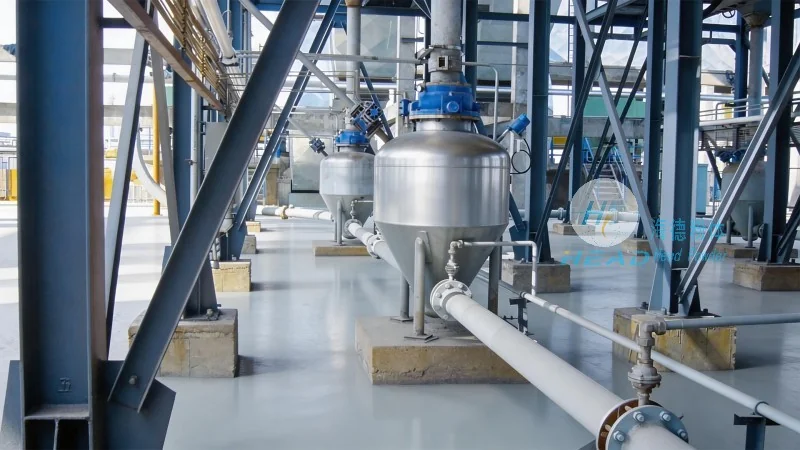
The advantages of belt conveyors for PTA include their high capacity, low energy consumption, and ability to transport materials over long distances without significant degradation. They are also relatively easy to maintain and can be customized with different belt materials to prevent material buildup or contamination. However, belt conveyors have some drawbacks. The main limitation is their susceptibility to material buildup on the belt surface, which can lead to uneven loading and reduced efficiency. This issue is more pronounced with fine powders like PTA, as they tend to stick to the belt and cause blockages. Additionally, belt conveyors require more space compared to other methods and are more expensive to install and maintain.
Pneumatic Conveyors: Efficient and Flexible Systems
Pneumatic conveyors use air or other gases to transport PTA particles through a pipeline system. This method is particularly effective for vertical and long-distance transport, as it can move materials over considerable heights and distances with minimal friction. Pneumatic conveyors are available in two main types: pressure and vacuum systems. Pressure systems use compressed air to push the material forward, while vacuum systems use suction to draw the material into the pipeline.
The primary advantages of pneumatic conveyors for PTA are their flexibility and ability to handle both horizontal and vertical transport. They can be easily integrated into existing production lines and can transport materials over long distances without the need for multiple components. Pneumatic conveyors also provide a closed system, which helps maintain the purity and quality of the PTA by preventing contamination from the environment. Additionally, they are relatively quiet and can be designed to handle fine powders without causing degradation.
Despite these benefits, pneumatic conveyors have several disadvantages. The most significant drawback is their higher energy consumption compared to other methods, as they require continuous air or gas flow to move the material. This can increase operational costs, especially for large-scale PTA handling. Another limitation is the risk of material degradation due to the high velocity of the air flow, which can cause particle attrition and reduce product quality. Additionally, pneumatic conveyors are not suitable for handling large quantities of material, as the pressure and flow rates need to be carefully controlled to prevent blockages or system failure.
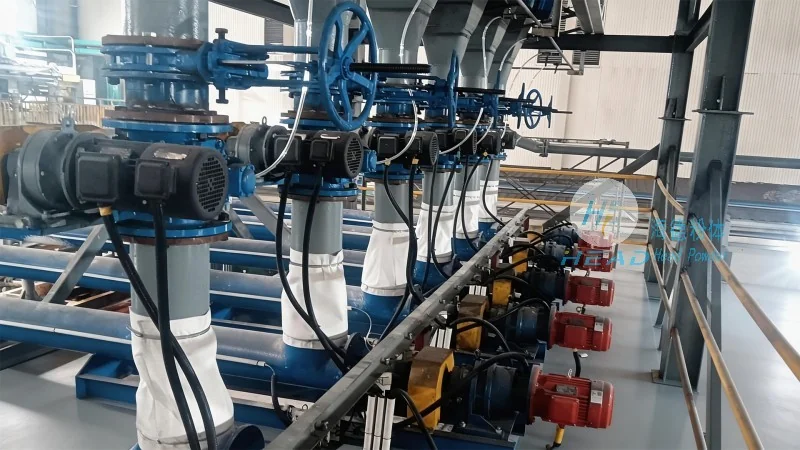
Bucket Elevators: Vertical Transport with High Efficiency
Bucket elevators are specialized equipment designed for vertical transport of PTA and other bulk materials. They consist of a continuous chain with buckets attached, which moves the material upward through a vertical or slightly inclined shaft. Bucket elevators are particularly effective for transporting PTA from a lower to a higher level, such as from a storage silo to a processing unit.
The main advantages of bucket elevators include their high efficiency and ability to handle vertical transport over long distances. They are also relatively simple in design and require minimal maintenance, as the buckets and chain are the primary moving parts. Bucket elevators can transport large quantities of PTA with consistent speed and uniformity, ensuring stable production processes. Additionally, they are less susceptible to material buildup compared to other vertical transport methods, as the buckets continuously lift the material without allowing it to settle.
However, bucket elevators have some limitations. The primary drawback is their higher cost compared to other conveying methods, especially for large-scale applications. They also require more space and are more complex to install and maintain, as the vertical shaft and moving components need to be carefully aligned and monitored. Another limitation is that bucket elevators are not suitable for horizontal transport, as they are specifically designed for vertical movement. Additionally, the buckets can wear out over time due to the friction and impact of the material, requiring regular replacement to maintain efficiency.
Choosing the Right PTA Conveying Method
When selecting a PTA conveying method, industrial operators must consider several factors to ensure the best fit for their specific needs. The volume and distance of PTA to be transported are the most critical factors, as they determine the capacity and efficiency requirements of the system. The environment and production line layout also play a significant role, as some methods are better suited for indoor or outdoor use, while others require specific space constraints.
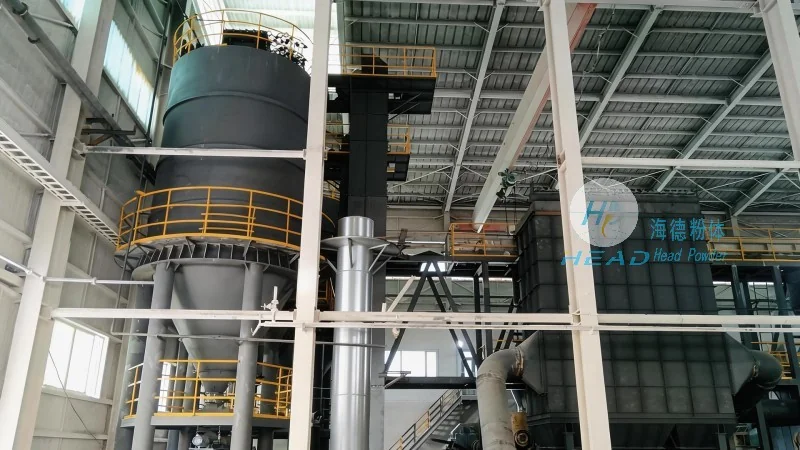
For horizontal transport over short to medium distances, screw conveyors and belt conveyors are often preferred due to their simplicity and cost-effectiveness. Screw conveyors are ideal for handling moderate volumes of PTA, while belt conveyors are better suited for high-capacity applications. For vertical transport or long-distance transport, pneumatic conveyors and bucket elevators are more suitable. Pneumatic conveyors offer flexibility and closed-system benefits, while bucket elevators provide high efficiency and consistent vertical movement.
It is also important to consider the potential for material degradation and contamination when choosing a conveying method. PTA is a sensitive material, and any method that introduces friction, heat, or air flow can affect its quality. Therefore, operators should prioritize systems that minimize these factors, such as using enclosed conveyors or adjusting the speed and pressure of the system.
Conclusion
In conclusion, the choice of PTA conveying method depends on a variety of factors, including the volume of material, transport distance, environmental conditions, and specific production requirements. Each method has its own advantages and disadvantages, and no single method is ideal for all applications. By carefully evaluating these factors and considering the long-term benefits and costs, industrial operators can select the most suitable PTA conveying system to ensure efficient, safe, and cost-effective operation.
Shandong HeadPowder Engineering Co., Ltd., a leading provider of industrial conveying solutions, specializes in designing and manufacturing customized PTA conveying systems tailored to the unique needs of each client. With years of experience in the industry, HeadPowder offers a range of solutions, including screw conveyors, belt conveyors, pneumatic conveyors, and bucket elevators, to meet the diverse requirements of PTA transportation. The company's commitment to quality, reliability, and customer satisfaction ensures that industrial operators can rely on their equipment to maintain optimal PTA handling and production efficiency.




