Understanding the pneumatic conveying of stone powder particles is crucial for industries that rely on efficient material handling. This article provides an in-depth look at the working principles and various classifications of pneumatic conveying systems, with a focus on their application in the handling of stone powder materials. The information is presented by Shandong HeadPowder Engineering Co., Ltd., a leading provider in this field based in Shandong, China.
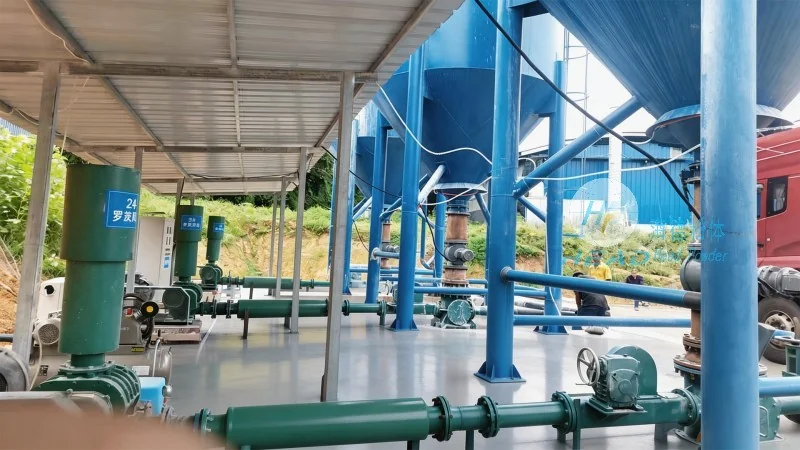
1. Basic Working Principle of Pneumatic Conveying for Stone Powder Particles
Pneumatic conveying systems utilize air or gas to transport solid particles, such as stone powder, through a pipeline. The core principle involves creating a pressure differential or using suction to move the material. In the case of stone powder, which typically consists of fine to medium-sized particles, the system must be designed to handle the specific characteristics of these materials, including their density, particle size distribution, and flowability. The process generally involves the following steps: first, the stone powder is introduced into the conveying line, often with the aid of a hopper or feeder. Then, air is introduced, either by creating a vacuum (suction system) or by applying pressure (pressure system), to move the particles along the pipeline. The system may include components like a blower, fan, or compressor to generate the necessary airflow. The design of the system must consider factors such as the material's dustiness, abrasiveness, and the required conveying distance and capacity. Proper sealing and filtration are also essential to prevent material loss and maintain air quality.
2. Classification of Pneumatic Conveying Systems for Stone Powder
Pneumatic conveying systems for stone powder can be broadly classified into two main types: suction (or vacuum) systems and pressure systems. Each type has distinct characteristics and is suitable for different applications.
2.1 Suction (Vacuum) Pneumatic Conveying Systems
Suction systems operate by creating a negative pressure in the conveying line, which draws the stone powder from the source to the destination. These systems are ideal for applications where the material needs to be transported from a lower elevation to a higher one or over relatively short distances. The primary advantage of suction systems is their ability to handle materials from multiple points and collect them into a single line. They are commonly used in industries where the material is generated at various locations, such as in mining or construction sites. The system typically includes a vacuum pump or fan that pulls air and material through the pipeline. The design must ensure that the vacuum level is sufficient to overcome the resistance caused by the material's particle size and the length of the pipeline. Suction systems are also suitable for handling materials that are prone to dust generation, as the vacuum helps to contain the particles.
2.2 Pressure Pneumatic Conveying Systems
Pressure systems, on the other hand, use positive pressure to push the stone powder through the conveying line. These systems are generally more suitable for longer conveying distances and higher material capacities. The pressure is generated by a blower or compressor, which forces air and material through the pipeline. Pressure systems are often preferred when the material needs to be transported from a higher elevation to a lower one or over longer distances. They are commonly used in industrial settings where large volumes of stone powder need to be moved, such as in cement production or mineral processing plants. The design of pressure systems must consider the pressure rating of the pipeline and the material's abrasiveness, as high-pressure systems can cause wear on the components. Additionally, pressure systems may require more robust sealing and filtration to prevent material leakage and maintain air quality.
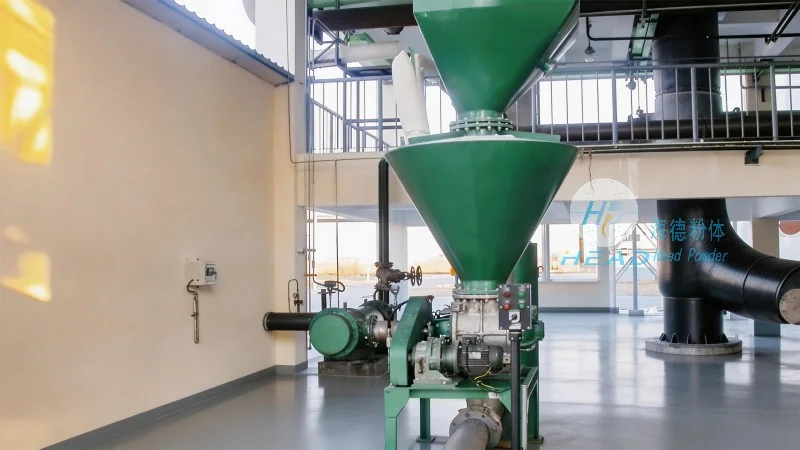
3. Application of Pneumatic Conveying in Stone Powder Handling
The application of pneumatic conveying systems for stone powder varies depending on the specific industry and the characteristics of the material. Here are some common applications:
3.1 Cement and Concrete Production
In the cement industry, pneumatic conveying is widely used to transport raw materials like limestone, clay, and gypsum from storage silos to the grinding mills. The fine stone powder particles are efficiently conveyed through the system, ensuring consistent material flow and reducing the risk of material buildup or clogging. The system's ability to handle high volumes and maintain material quality is crucial for the production of high-quality cement. Shandong HeadPowder Engineering Co., Ltd. has successfully implemented such systems in numerous cement plants, improving operational efficiency and reducing downtime.
3.2 Mining and Mineral Processing
Mineral processing facilities often require the transport of stone powder or ore particles from crushers and screens to storage or processing units. Pneumatic conveying systems are ideal for this application as they can handle abrasive and dusty materials without causing significant wear to the equipment. The systems are designed to handle large volumes of material and maintain a consistent flow rate, which is essential for the efficient operation of the processing plant. The use of suction systems is particularly beneficial in mining operations where material is collected from multiple points and transported to a central processing facility.
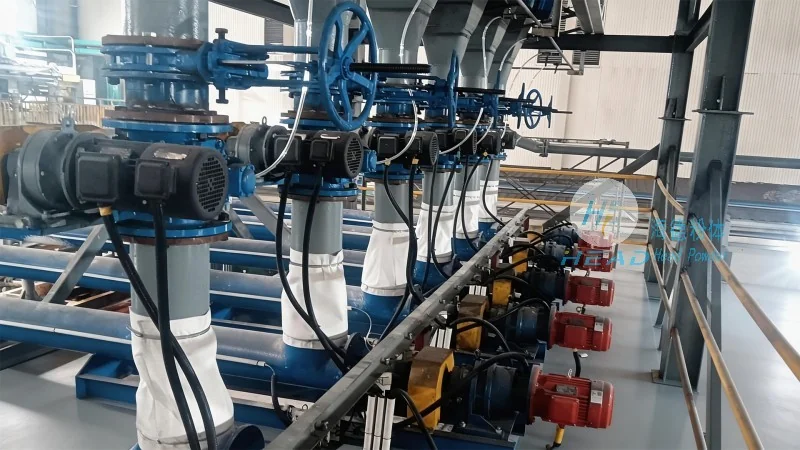
3.3 Construction and Building Materials
Construction sites and building material manufacturers use pneumatic conveying to transport stone powder for various applications, such as mortar production, plastering, and concrete mixing. The system allows for the efficient and dust-free transfer of the material from storage to the mixing equipment, improving safety and reducing material loss. The flexibility of pneumatic conveying systems makes them suitable for both small-scale and large-scale construction projects. The ability to adjust the conveying rate and pressure according to the material's characteristics ensures optimal performance in different construction scenarios.
4. Key Considerations for Designing Pneumatic Conveying Systems for Stone Powder
Designing an effective pneumatic conveying system for stone powder requires careful consideration of several factors to ensure optimal performance and longevity. The following are some key considerations:
4.1 Material Properties
The properties of the stone powder, such as particle size, density, and flowability, play a critical role in system design. Fine particles may require higher air velocities to prevent clogging, while larger particles may need lower velocities to avoid excessive wear on the pipeline. The abrasiveness of the material also affects the choice of materials for the pipeline and components, such as using stainless steel or special coatings to reduce wear.
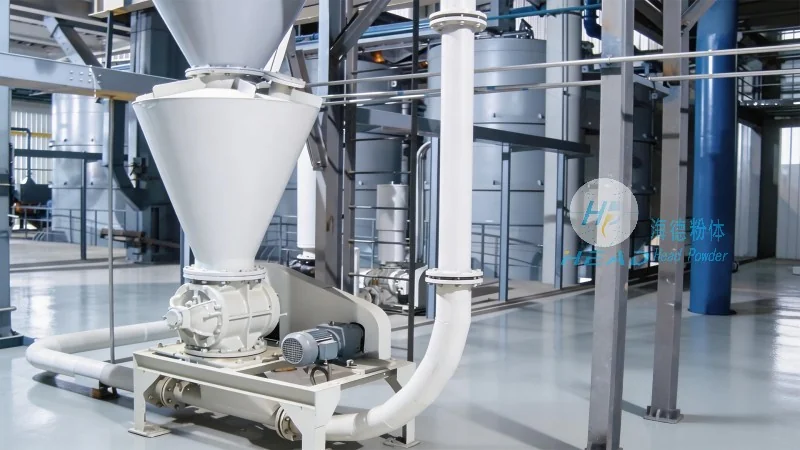
4.2 Conveying Distance and Height
The distance and elevation change between the source and destination of the stone powder determine whether a suction or pressure system is more suitable. Longer distances and higher elevations typically require pressure systems, while shorter distances and lower elevations may be suitable for suction systems. The system design must account for the pressure drop along the pipeline, which increases with distance and the number of bends or fittings.
4.3 System Capacity and Flow Rate
The required conveying capacity and flow rate are determined by the production rate of the stone powder and the desired throughput. The system must be designed to handle the maximum expected flow rate without causing excessive pressure drop or material degradation. The blower or compressor capacity must be matched to the system's requirements to ensure consistent performance.
4.4 Sealing and Filtration
Proper sealing of the conveying line and components is essential to prevent material leakage and maintain air quality. The system must be designed to handle the dustiness of the stone powder, with appropriate filtration systems to capture any particles that escape. The choice of filters, such as bag filters or cartridge filters, depends on the particle size and the required air quality. Regular maintenance of the filtration system is necessary to ensure its effectiveness and prevent system downtime.
5. Conclusion
Pneumatic conveying systems offer an efficient and reliable method for handling stone powder particles, with applications spanning various industries. The choice of system type, whether suction or pressure, depends on the specific requirements of the application, including the conveying distance, material properties, and operational conditions. Proper design and maintenance of the system are crucial to ensure optimal performance and longevity. Shandong HeadPowder Engineering Co., Ltd. specializes in the design, manufacturing, and installation of pneumatic conveying systems tailored to the needs of stone powder handling, providing solutions that enhance operational efficiency and reduce costs for their clients.




