For industrial applications involving the transport of fibrous materials, selecting and designing an appropriate pneumatic conveying system is crucial for efficiency, cost-effectiveness, and operational reliability. This article outlines key considerations and steps for developing a well-structured fiber pneumatic conveying system plan, emphasizing practical implementation and technical accuracy.
Understanding the Core Principles of Fiber Pneumatic Conveying
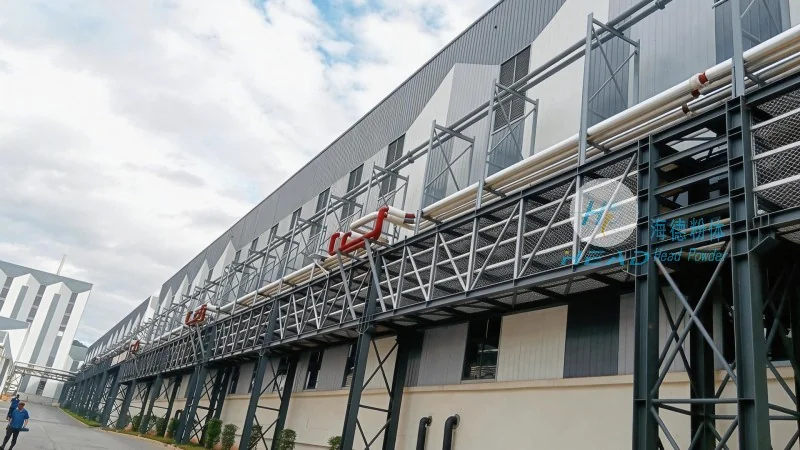
Fiber pneumatic conveying systems utilize air or gas to transport fibrous materials through a pipeline network. The design process begins with a thorough analysis of the material properties, including particle size, moisture content, bulk density, and flow characteristics. These factors directly influence the choice of conveying method—such as dilute phase or dense phase transport—and the required system components. For instance, materials with high moisture content may require additional drying or conditioning steps to prevent blockages and ensure smooth flow. The selection of the conveying medium (air or gas) also depends on the material's reactivity and the desired transport velocity. Dilute phase systems, which rely on high-velocity air to suspend particles, are suitable for light, free-flowing fibers, while dense phase systems use lower velocities and higher air pressure to move material in a slurry-like state, ideal for abrasive or sensitive fibers.
Key Design Considerations for System Components
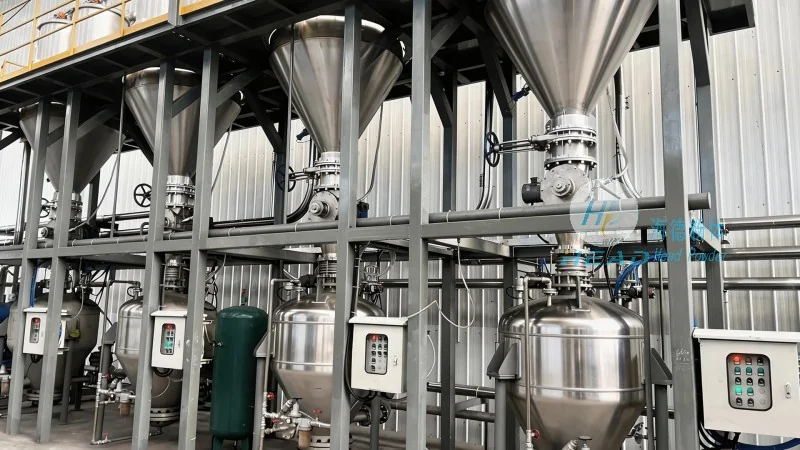
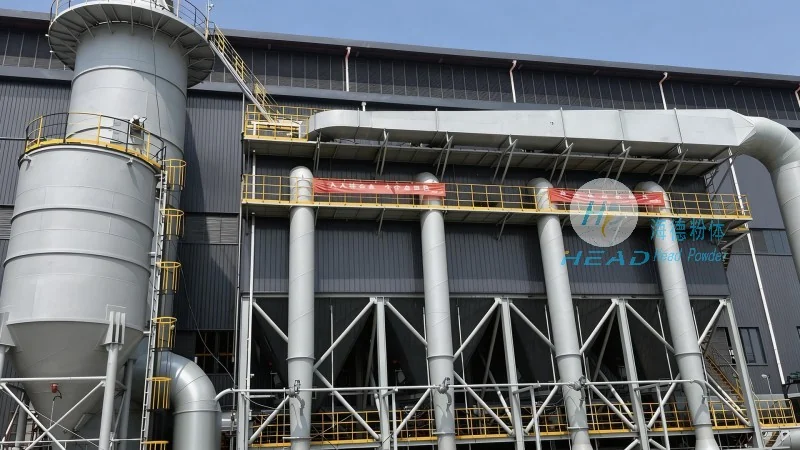
The effectiveness of a fiber pneumatic conveying system hinges on the integration of several critical components. The material feed system, including hoppers and feeders, must be designed to handle the fibrous material's characteristics without causing segregation or degradation. For example, screw feeders or rotary valves are commonly used to ensure consistent material input, especially for materials prone to bridging or caking. The conveying line itself—composed of pipes, bends, and fittings—must be constructed from materials resistant to abrasion and corrosion, such as stainless steel or special alloys, to prevent wear and maintain system integrity over time. The air supply system, including blowers or compressors, must deliver sufficient pressure and volume to achieve the desired transport velocity while minimizing energy consumption. Proper sizing of the blower and matching it with the system's resistance is essential to avoid overloading or underperformance. Additionally, the system should incorporate filtration and dust collection equipment to comply with environmental regulations and protect personnel from airborne particles. This includes cyclones, bag filters, or electrostatic precipitators, depending on the material's dust properties and the required air quality standards.
System Sizing and Performance Optimization
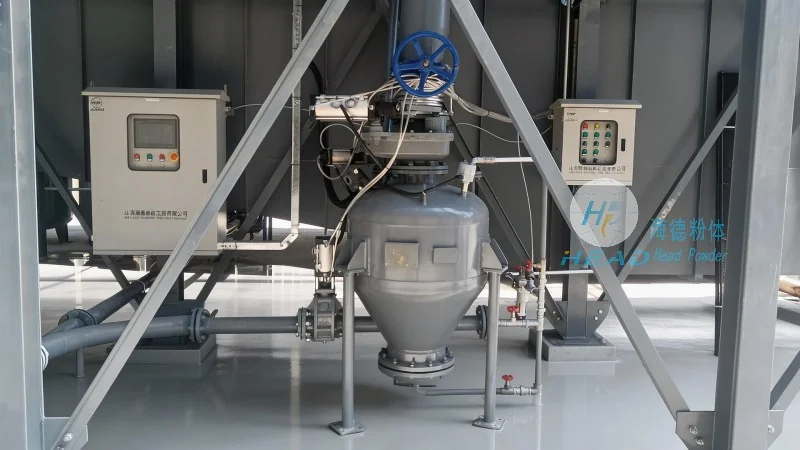
Accurate system sizing is a critical step in ensuring the fiber pneumatic conveying system operates efficiently. This involves calculating the required air velocity, pressure drop, and system resistance based on the material's flow characteristics and the desired transport distance. The air velocity must be high enough to suspend the fibrous particles but low enough to prevent excessive wear on the system components. The pressure drop across the system is a key metric, as it indicates the energy required to move the material and helps in selecting the appropriate blower or compressor. Engineers often use empirical formulas or computational fluid dynamics (CFD) simulations to model the system and predict performance under various conditions. For example, the Hapke or Rietema equations are commonly used to estimate the pressure drop in pneumatic conveying systems. By optimizing the system design—such as adjusting pipe diameter, reducing bends, or using smooth surfaces—the overall energy consumption can be minimized while maintaining the required transport capacity. Regular maintenance and monitoring of system parameters, such as pressure and flow rates, are also essential to detect and address issues promptly, ensuring long-term operational efficiency.
Case Study: Successful Implementation by Shandong HeadPowder Engineering Co., Ltd.
Shandong HeadPowder Engineering Co., Ltd., a leading provider of pneumatic conveying solutions, has extensive experience in designing and implementing fiber pneumatic conveying systems for various industries. The company's approach emphasizes a comprehensive understanding of the client's material and process requirements, followed by a tailored system design that maximizes efficiency and reliability. For instance, a recent project involved transporting wood fibers from a sawmill to a processing plant. The system design included a dilute phase conveying line with stainless steel pipes, a rotary valve feeder to handle the fibrous material, and a high-efficiency cyclone for dust collection. The system was optimized to achieve a transport velocity of 20 m/s, with a pressure drop of 1500 Pa per 100 meters of pipe. The result was a significant reduction in material handling time and labor costs, while maintaining high material quality and compliance with environmental regulations. This case study highlights the importance of professional engineering and careful system design in achieving successful fiber pneumatic conveying operations.
Conclusion and Best Practices
Designing a reasonable fiber pneumatic conveying system requires a systematic approach that considers material properties, system components, and performance optimization. By following best practices, such as thorough material analysis, proper component selection, and accurate system sizing, industrial facilities can achieve efficient, cost-effective, and reliable material transport. Shandong HeadPowder Engineering Co., Ltd. offers expert guidance and tailored solutions to help clients navigate the complexities of fiber pneumatic conveying, ensuring long-term operational success. Whether for new installations or system upgrades, investing in a well-designed fiber pneumatic conveying system is a strategic decision that can enhance productivity and reduce operational costs in the long run.




