Efficient material handling is a critical component in the wheat flour production industry. The design of a pneumatic conveying system for wheat flour plays a pivotal role in ensuring smooth operations, maintaining product quality, and optimizing overall production efficiency. This article delves into the key aspects of designing such a system, highlighting the expertise of Shandong HeadPowder Engineering Co., Ltd., a leading provider in the field.
About Shandong HeadPowder Engineering Co., Ltd.
HeadPowder, the professional brand under Shandong HeadPowder Engineering Co., Ltd., specializes in the development and implementation of advanced material handling solutions. With a strong presence in China, particularly in Shandong, the company has built a reputation for delivering high-quality, customized pneumatic conveying systems tailored to the specific needs of flour mills and food processing facilities. The company’s commitment to innovation and customer satisfaction has made it a trusted partner for businesses seeking reliable and efficient flour handling solutions.
Key Design Considerations for Wheat Flour Pneumatic Conveying
Designing an effective pneumatic conveying system for wheat flour involves several critical factors that must be carefully evaluated. The first consideration is the type of conveying system, which can be categorized into pressure or vacuum systems. Pressure systems, such as positive displacement blowers or rotary lobe pumps, are commonly used for wheat flour due to their ability to handle fine powders without causing excessive pressure drops or product degradation. Vacuum systems, on the other hand, are suitable for applications requiring gentle material handling, such as transferring flour from storage silos to processing equipment.
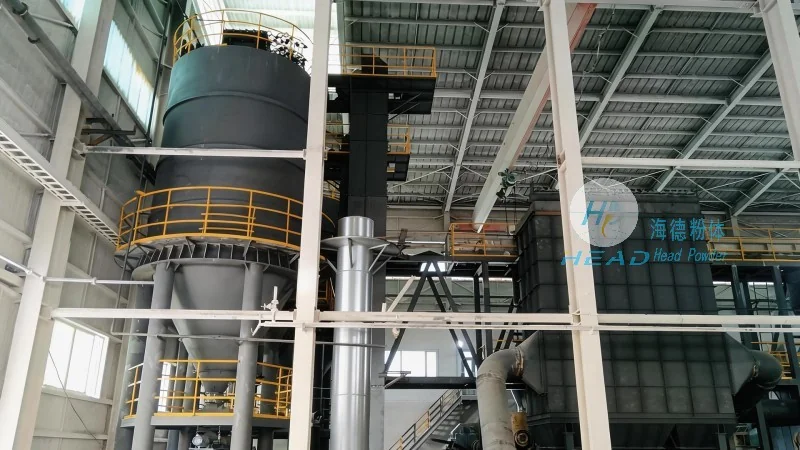
Another crucial design aspect is the selection of the appropriate ductwork and components. The material of the ducts, typically stainless steel or food-grade plastic, must be chosen to prevent contamination and ensure durability. The diameter and length of the ducts are also critical, as they directly impact the system’s efficiency and pressure requirements. Properly sized and positioned airlocks, cyclones, and filters are essential to maintain system performance and prevent product loss or clogging.
System Components and Their Functions
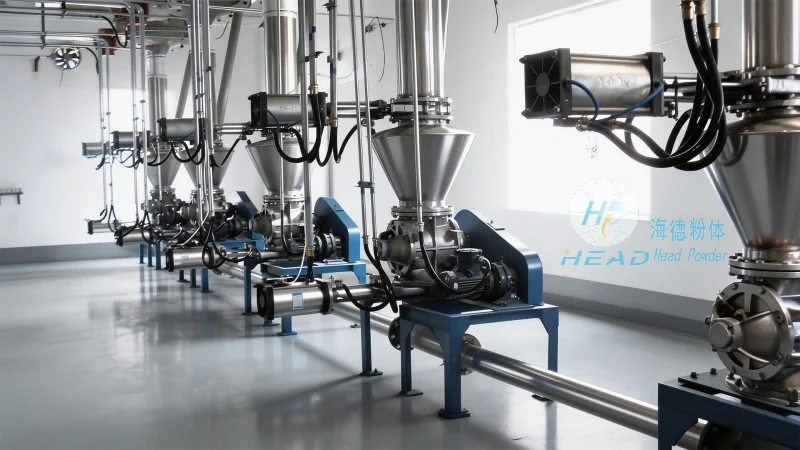
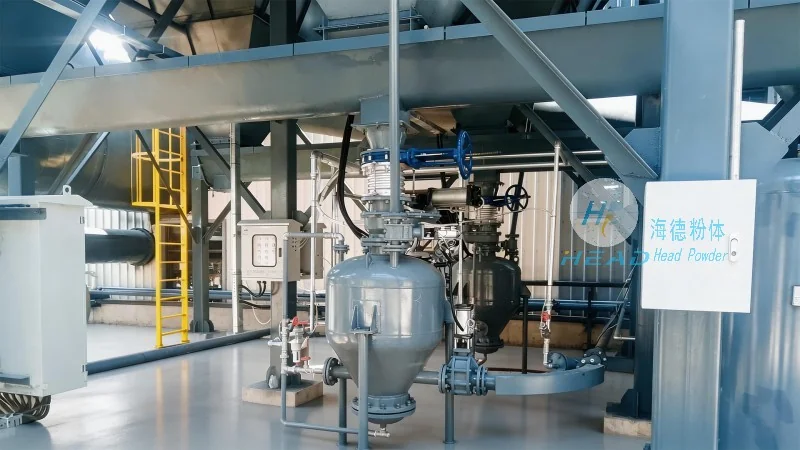
A pneumatic conveying system for wheat flour typically consists of several key components, each playing a vital role in the overall operation. The system begins with a hopper or silo where the wheat flour is stored. From there, the material is fed into the conveying line via a feeder, which can be a rotary valve or a screw feeder, ensuring a consistent flow rate. The feeder is connected to the main ductwork, which transports the flour to the destination point, such as a mixer, packaging machine, or storage silo.
The heart of the system is the air mover, which provides the necessary pressure or vacuum to move the flour through the ducts. For wheat flour, positive displacement blowers are often preferred due to their ability to handle fine powders and maintain consistent pressure. The air mover is connected to the ductwork via a manifold, which distributes the air to the various sections of the system. At the receiving end, a cyclone separator or a filter is used to separate the flour from the air, ensuring that the product is clean and free from contaminants.
Benefits of an Optimized Pneumatic Conveying System
Implementing a well-designed pneumatic conveying system for wheat flour offers numerous benefits for flour mills. Firstly, it enhances operational efficiency by reducing the time and labor required for material handling. The automated system minimizes the risk of product contamination and ensures consistent quality throughout the process. Additionally, the system reduces energy consumption compared to traditional methods like bucket elevators or belt conveyors, leading to lower operational costs. The gentle handling of wheat flour also helps preserve the product’s texture and nutritional value, which is crucial for maintaining customer satisfaction and product quality.
Furthermore, a properly designed system improves safety in the workplace by eliminating the need for manual handling of flour, which can cause dust explosions or respiratory issues. The enclosed system also helps in controlling dust emissions, contributing to a cleaner and healthier working environment. Overall, the benefits of an optimized pneumatic conveying system extend beyond operational efficiency to include cost savings, product quality preservation, and workplace safety.
Customization and Integration with Existing Facilities
Shandong HeadPowder Engineering Co., Ltd. understands that each flour mill has unique requirements and existing infrastructure. Therefore, the company offers customized pneumatic conveying solutions that can be seamlessly integrated with existing facilities. The design process involves a thorough analysis of the client’s production capacity, material characteristics, and operational needs. Engineers from HeadPowder work closely with clients to develop a system that meets their specific requirements, ensuring that the new equipment complements the existing setup without causing disruptions.
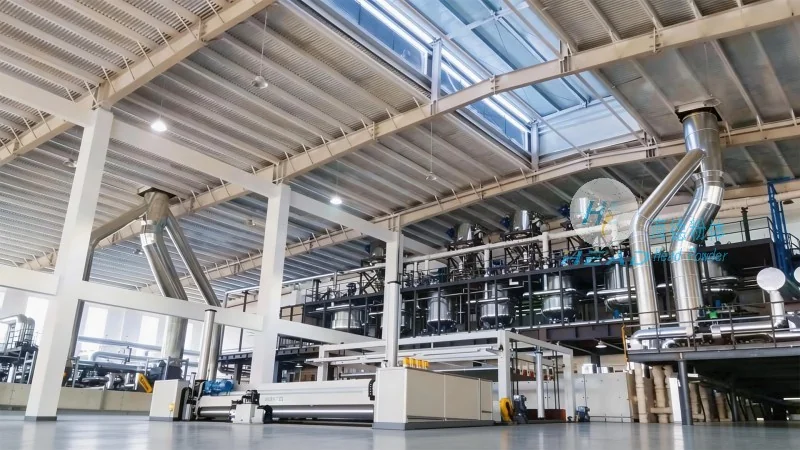
Customization may include adjustments to the system’s capacity, the type of air mover, or the layout of the ductwork to fit within the available space. The company also provides comprehensive installation and commissioning services, ensuring that the system is set up correctly and operates at optimal performance. Post-installation support and maintenance services are also available to ensure the long-term reliability and efficiency of the system.
Conclusion
Designing a pneumatic conveying system for wheat flour is a complex process that requires expertise in material handling, engineering, and food processing. Shandong HeadPowder Engineering Co., Ltd., with its professional brand HeadPowder, offers comprehensive solutions tailored to the needs of flour mills. By considering key design factors, selecting appropriate components, and customizing the system to fit existing facilities, businesses can achieve improved efficiency, product quality, and operational safety. The benefits of such a system extend beyond immediate operational gains to include long-term cost savings and enhanced customer satisfaction. For businesses in the wheat flour industry, investing in a well-designed pneumatic conveying system is a strategic decision that can significantly impact their overall success.




