Graphite electrode pneumatic conveying technology represents a sophisticated method for transporting graphite electrodes, which are critical components in electric arc furnaces used in steel production. This technology leverages the principles of pneumatic transport to move these heavy, often brittle materials efficiently and safely. The core of this process involves using a stream of air or other gas to carry the graphite electrodes through a pipeline system, eliminating the need for traditional mechanical conveyors that may cause damage or contamination.
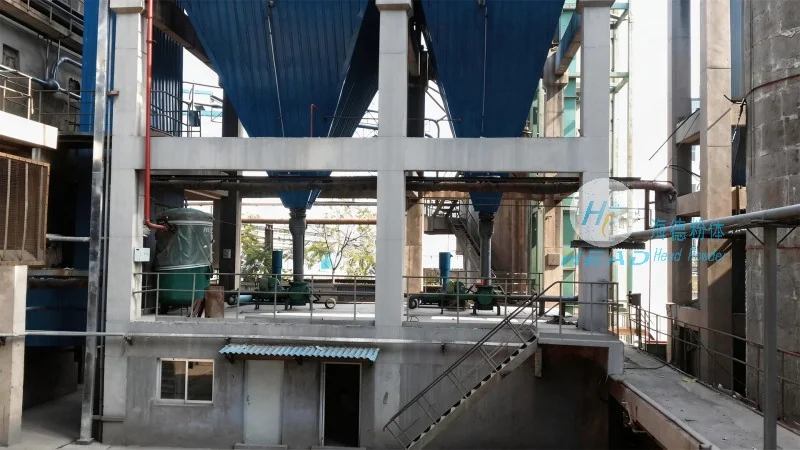
Principles of Pneumatic Conveying for Graphite Electrodes
The fundamental principle behind pneumatic conveying is the creation of a flow of gas that can suspend and transport solid particles. In the case of graphite electrodes, which are typically large, cylindrical, and dense, specialized equipment is required to handle their size and weight. The system generally consists of a source of air (often a blower or compressor), a hopper or feeder to introduce the electrodes into the pipeline, and a receiver or discharge point where the electrodes are deposited. The air flow is controlled to maintain a consistent velocity that ensures the electrodes remain suspended without colliding with the pipe walls or each other. This suspension is achieved by maintaining a pressure differential between the inlet and outlet of the conveying line, which can be either positive (pressurized) or negative (suction) depending on the application.
Applications in Graphite Electrode Manufacturing and Handling
Graphite electrode pneumatic conveying is widely utilized in the manufacturing and handling processes of graphite electrodes. One primary application is the transfer of finished electrodes from the production line to storage or packaging areas. This is particularly beneficial in large-scale production facilities where manual handling would be impractical due to the size and weight of the electrodes. The technology also facilitates the movement of raw materials, such as graphite powder or pre-baked electrodes, within the production plant, ensuring a smooth workflow from raw material processing to final electrode assembly.
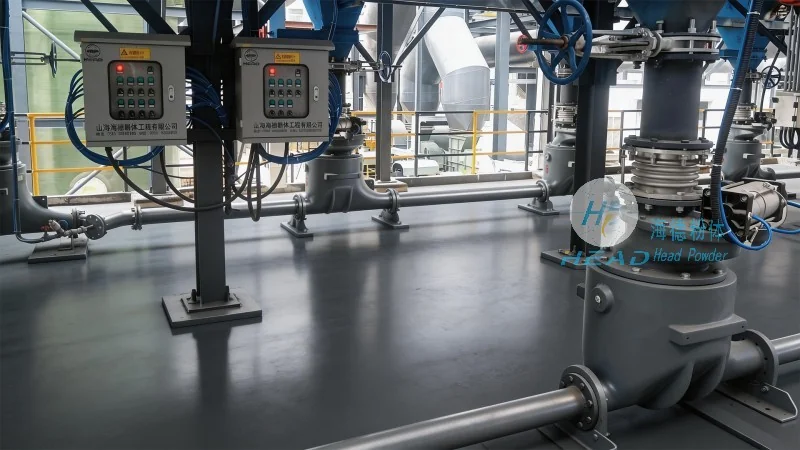
In addition to internal plant logistics, pneumatic conveying systems are employed in the transportation of graphite electrodes between different production stages, such as from the molding and baking processes to the finishing and inspection areas. This integration of conveying technology with manufacturing processes enhances overall operational efficiency by reducing downtime and minimizing the risk of material damage. The ability to handle large, irregularly shaped objects like graphite electrodes makes this technology a preferred choice over traditional methods in many industrial settings.
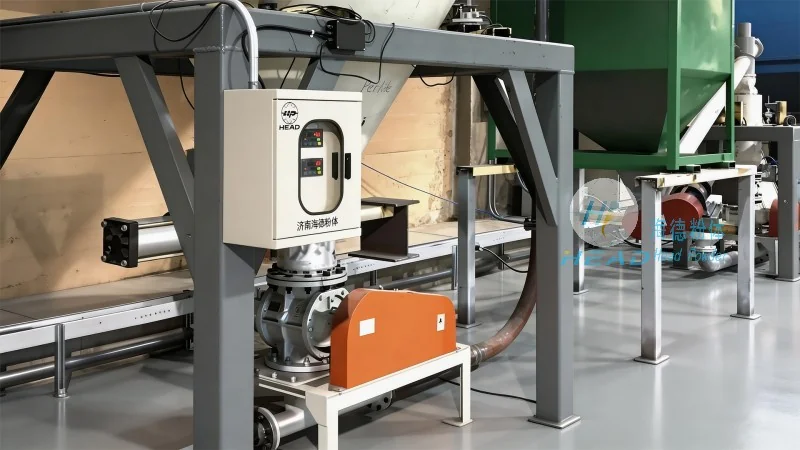
Advancements and Future Trends in Pneumatic Conveying Technology
Over the years, advancements in pneumatic conveying technology have focused on improving efficiency, reducing energy consumption, and enhancing the safety of material handling. Modern systems now incorporate advanced control systems that optimize air pressure and flow rates based on real-time conditions, leading to more consistent and reliable transport of graphite electrodes. Additionally, the development of more durable and corrosion-resistant materials for pipeline components has extended the lifespan of these systems and reduced maintenance costs.
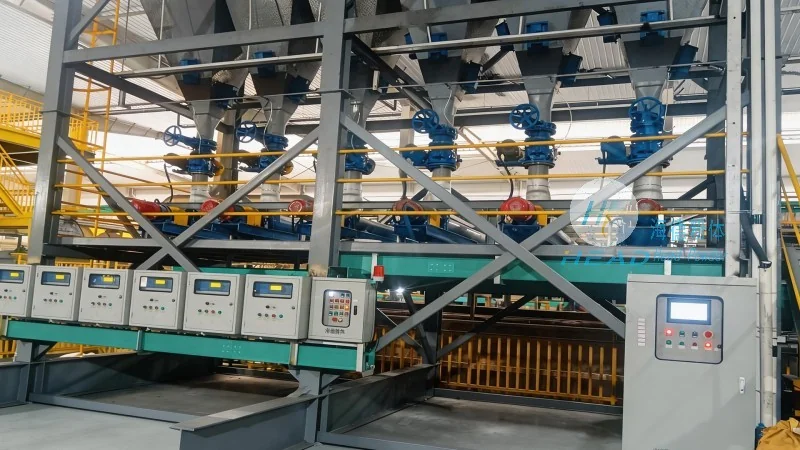
Future trends in this field include the integration of automation and robotics with pneumatic conveying systems. This integration allows for more precise control over the movement of electrodes, enabling the automation of entire production lines. Furthermore, the adoption of sustainable practices, such as using energy-efficient blowers and optimizing air usage, is becoming increasingly important as industries strive to reduce their environmental footprint. These advancements not only improve the performance of pneumatic conveying systems but also align with the broader goals of sustainable manufacturing in the graphite electrode industry.
Conclusion
Graphite electrode pneumatic conveying technology plays a vital role in the efficient and safe handling of graphite electrodes in modern industrial applications. By leveraging the principles of pneumatic transport, this technology addresses the unique challenges associated with moving large, heavy, and brittle materials. As the industry continues to evolve, ongoing advancements in control systems, materials, and automation will further enhance the capabilities of these systems, ensuring their continued relevance and importance in the production and handling of graphite electrodes.




