Heptahydrate magnesium sulfate, commonly known as Epsom salt, is a widely used chemical compound in various industrial applications. The efficient and reliable transportation of this material from storage to processing units is crucial for maintaining production efficiency and product quality. Pneumatic conveying technology has emerged as a preferred method for handling heptahydrate magnesium sulfate due to its ability to handle fine powders and minimize material degradation. This article provides an in-depth analysis of the two primary pneumatic conveying systems—vacuum and positive pressure—and their applications in the handling of heptahydrate magnesium sulfate.
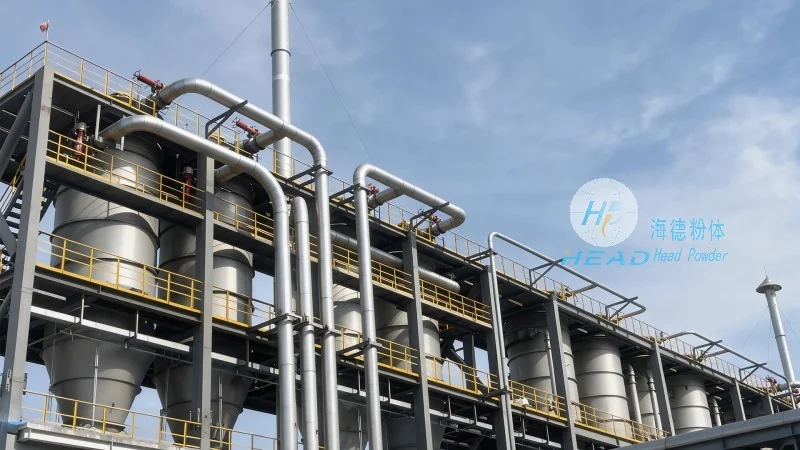
Understanding Pneumatic Conveying Systems for Heptahydrate Magnesium Sulfate
Pneumatic conveying systems utilize air or gas to transport bulk materials like heptahydrate magnesium sulfate through a pipeline network. The choice between vacuum and positive pressure systems depends on several factors, including the distance of material transport, the number of transfer points, the required material flow rate, and the need for dust control. Both systems offer distinct advantages and are suitable for different operational scenarios.
Vacuum Pneumatic Conveying: Advantages and Applications
Vacuum pneumatic conveying systems operate by creating a negative pressure in the pipeline, which draws material from the source into the system. This method is particularly effective for long-distance transportation and for applications requiring multiple pick-up points. The primary advantage of vacuum systems is their ability to handle materials over extended distances without the need for intermediate storage or transfer points. They are also well-suited for environments where dust containment is critical, as the system draws material into the pipeline rather than expelling it. However, vacuum systems typically have lower material flow rates compared to positive pressure systems and may require more energy to maintain the vacuum pressure.
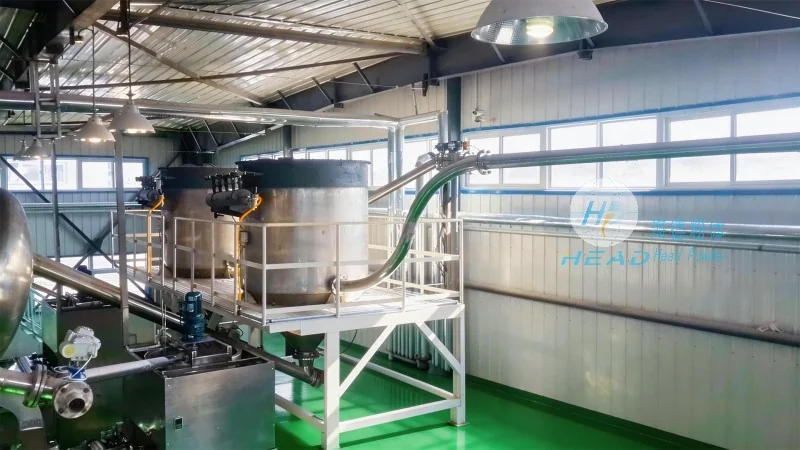
Positive Pressure Pneumatic Conveying: High-Flow and Short-Distance Solutions
Positive pressure pneumatic conveying systems, on the other hand, generate positive pressure within the pipeline to push material from the source to the destination. This approach is ideal for short to medium-distance transport and for applications where high material flow rates are required. Positive pressure systems are capable of handling larger quantities of heptahydrate magnesium sulfate and are often used in scenarios where the material needs to be delivered to a single or a few processing units. The main benefit of positive pressure systems is their higher throughput and the ability to operate at higher pressures, which can reduce the risk of material degradation and clogging in the pipeline.
Key Considerations for Implementing Pneumatic Conveying in Heptahydrate Magnesium Sulfate Handling
When selecting a pneumatic conveying system for heptahydrate magnesium sulfate, several key factors must be considered. The first is the material's properties, such as its particle size, moisture content, and flowability, as these characteristics can affect the system's performance and efficiency. The second is the operational environment, including the need for dust control and the presence of other materials that may interact with the heptahydrate magnesium sulfate. Additionally, the distance and number of transfer points in the system will influence the choice between vacuum and positive pressure configurations. Proper system design, including the selection of appropriate pipeline materials and components, is essential to ensure long-term reliability and minimal maintenance.
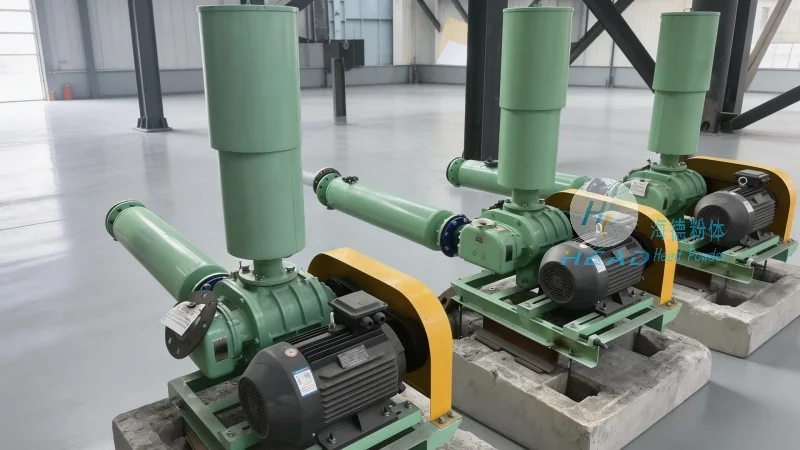
HeadPowder Engineering: Expertise in Heptahydrate Magnesium Sulfate Pneumatic Conveying
Shandong HeadPowder Engineering Co., Ltd., a leading provider of pneumatic conveying solutions, specializes in designing and implementing customized systems for heptahydrate magnesium sulfate handling. With years of experience in the industry, HeadPowder Engineering has developed a deep understanding of the unique challenges associated with transporting this material. The company's engineers work closely with clients to assess their specific operational needs and recommend the most suitable pneumatic conveying system—whether vacuum or positive pressure—based on factors such as distance, flow rate, and dust control requirements. HeadPowder Engineering's solutions are engineered to maximize efficiency, minimize material loss, and ensure compliance with industry standards for safety and environmental protection.
Conclusion: Optimizing Heptahydrate Magnesium Sulfate Handling with Advanced Pneumatic Conveying
Both vacuum and positive pressure pneumatic conveying systems offer effective solutions for the transportation of heptahydrate magnesium sulfate. The choice between the two depends on the specific requirements of the application, including distance, flow rate, and operational constraints. By leveraging the expertise of companies like Shandong HeadPowder Engineering Co., Ltd., industries can implement advanced pneumatic conveying systems that enhance production efficiency, reduce operational costs, and ensure the consistent quality of heptahydrate magnesium sulfate. The integration of vacuum and positive pressure technologies into material handling processes represents a significant advancement in the efficient and sustainable management of this valuable chemical compound.




