

What is a Calcium Carbide Powder Pneumatic Conveying System? And What Are Its Design Principles?
Calcium carbide powder is a crucial industrial material widely used in various applications such as chemical synthesis, metallurgy, and the production of acetylene gas. The efficient and safe transportation of this fine powder is essential for industrial processes, and pneumatic conveying systems have emerged as a reliable solution. This article explores the concept of a calcium carbide powder pneumatic conveying system and delves into its design principles, highlighting the technological advancements and practical considerations that ensure optimal performance.
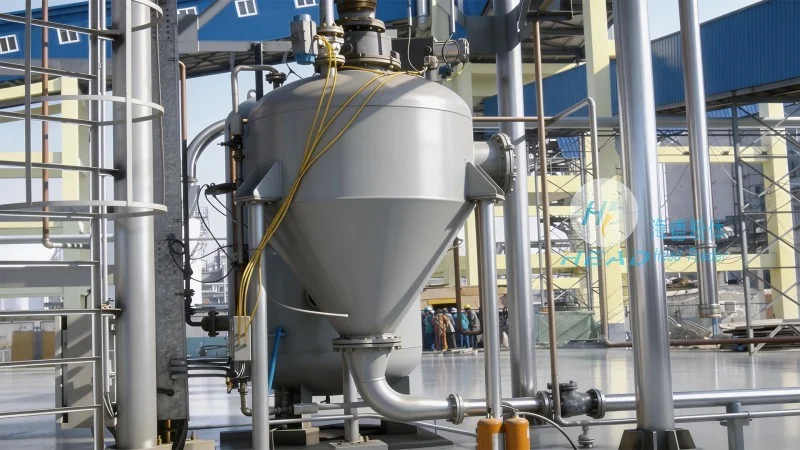
Understanding Calcium Carbide Powder Pneumatic Conveying Systems
Calcium carbide powder, often referred to as "carbide powder," is a fine, granular material that requires specialized handling due to its reactivity and potential dust explosion hazards. Traditional methods like bucket elevators or belt conveyors may not be suitable for such materials because they can cause material degradation, dust generation, and safety risks. Pneumatic conveying systems, which use air or other gases to transport bulk materials, offer a safer and more efficient alternative. These systems are designed to move calcium carbide powder from storage silos or production lines to processing equipment without the need for mechanical contact, minimizing the risk of contamination and equipment wear.
Key Design Principles for Calcium Carbide Powder Pneumatic Conveying
The design of a calcium carbide powder pneumatic conveying system involves several critical principles to ensure reliable operation and material integrity. First, the system must be designed to handle the specific properties of calcium carbide powder, including its particle size distribution, moisture content, and reactivity. The selection of appropriate air velocities and pressure levels is crucial to prevent material segregation and ensure consistent flow. For calcium carbide powder, which can be abrasive and reactive, the system components must be constructed from materials that resist corrosion and wear, such as stainless steel or specialized alloys.
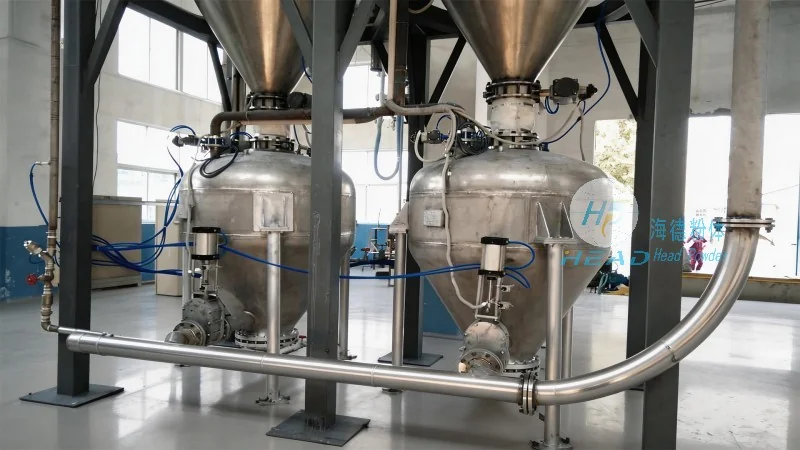
Second, the system's layout and configuration are tailored to the specific industrial application. This includes determining the optimal combination of positive and negative pressure zones, the use of pulse-jet or rotary airlock valves, and the integration of dust collection and filtration systems. The design must also consider the system's capacity, ensuring it can handle the required flow rates without causing pressure drops or material blockages. For calcium carbide powder, which can be prone to agglomeration, the inclusion of vibrators or agitators in the conveying line may be necessary to maintain flowability.
Components and Functionality of the System
A typical calcium carbide powder pneumatic conveying system consists of several key components, each playing a vital role in the overall operation. The primary components include a material feeder, which controls the flow of powder into the system; a conveying line, which transports the powder using compressed air; a receiver or discharge hopper, where the material is collected; and a dust collection system, which captures any airborne particles to prevent environmental contamination and ensure worker safety.
The material feeder, often a rotary airlock valve or a screw feeder, is designed to provide a consistent and controlled flow of calcium carbide powder. This prevents overloading the conveying line and ensures smooth operation. The conveying line itself is typically made of flexible or rigid tubing, depending on the system design. Positive pressure systems use compressed air to push the powder through the line, while negative pressure systems use suction to draw the material. For calcium carbide powder, which can be abrasive, the tubing is often lined with wear-resistant materials to extend its lifespan.
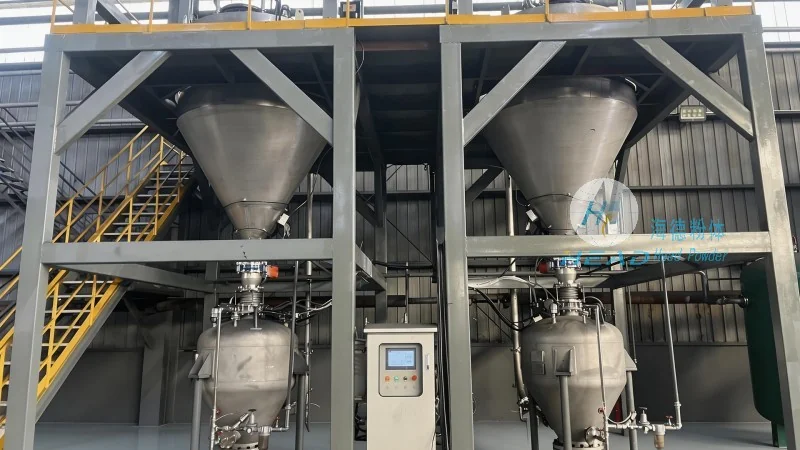
The receiver or discharge hopper is where the calcium carbide powder is deposited after being conveyed. It is designed to handle the material's characteristics, such as its tendency to settle or agglomerate. The hopper may include features like a vibratory feeder or a level sensor to control the discharge rate and prevent overfilling. The dust collection system, which may include a cyclone separator or a baghouse filter, is essential for capturing any fine particles that escape the conveying line. This not only protects the environment but also ensures compliance with occupational health and safety regulations.
Advantages and Applications of Calcium Carbide Powder Pneumatic Conveying
Implementing a pneumatic conveying system for calcium carbide powder offers several advantages over traditional methods. Firstly, it provides a safer and more hygienic method of material handling, reducing the risk of dust explosions and worker exposure to hazardous particles. Secondly, it minimizes material degradation and loss, as the powder is not subjected to mechanical stress or friction during transport. This results in higher product quality and reduced waste. Thirdly, the system is highly flexible and can be easily integrated into existing industrial processes, allowing for seamless material transfer between different equipment and locations.
Calcium carbide powder pneumatic conveying systems are widely used in various industries. In the chemical industry, they are used to transport the powder to reactors for acetylene production. In metallurgy, they are employed to move the material to furnaces for steelmaking processes. Additionally, these systems are used in the production of calcium carbide-based products, such as calcium carbide derivatives and specialty chemicals. The versatility of the system makes it suitable for a wide range of applications, from small-scale laboratory operations to large-scale industrial production.
Conclusion and Company Overview
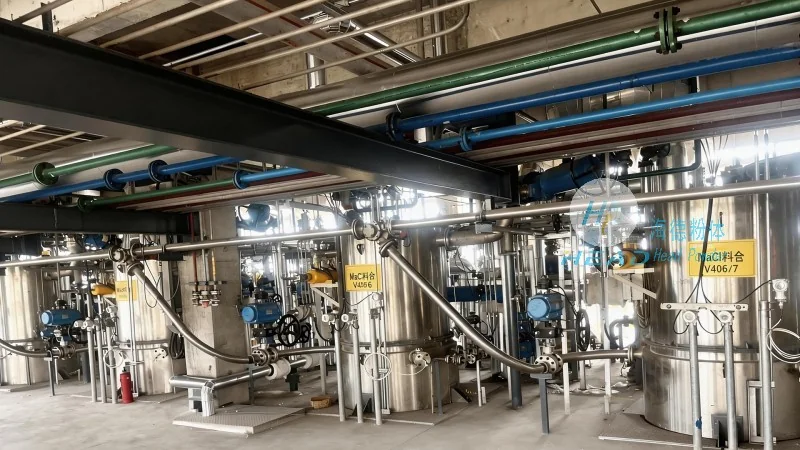
Calcium carbide powder pneumatic conveying systems are sophisticated industrial solutions that combine advanced engineering principles with robust design to ensure the safe and efficient transport of this critical material. The design principles, components, and applications discussed in this article highlight the importance of tailored systems that address the unique challenges of handling calcium carbide powder. By leveraging the expertise of companies like Shandong HeadPowder Engineering Co., Ltd., industries can benefit from reliable, high-performance pneumatic conveying systems that enhance operational efficiency and safety.
Shandong HeadPowder Engineering Co., Ltd., a leading provider of industrial material handling solutions, specializes in designing and manufacturing pneumatic conveying systems for various bulk materials, including calcium carbide powder. With a focus on innovation and customer satisfaction, the company offers customized solutions that meet the specific needs of industrial clients. Headquartered in Shandong, China, HeadPowder combines years of experience and cutting-edge technology to deliver systems that are durable, efficient, and compliant with international standards. The company's commitment to quality and safety ensures that its customers receive reliable equipment that enhances their production processes and protects their workforce.