HeadPowder, a leading provider in material handling solutions, specializes in advanced dust-free feeding and air-pneumatic conveying systems. Based in Shandong, China, the company delivers innovative technologies tailored to modern industrial needs. This article explores the fundamental working principle and key characteristics of their dust-free material feeding and air-pneumatic conveying systems, offering insights into how these systems enhance operational efficiency and maintain environmental standards.
Working Principle of Dust-Free Material Feeding and Air-Pneumatic Conveying
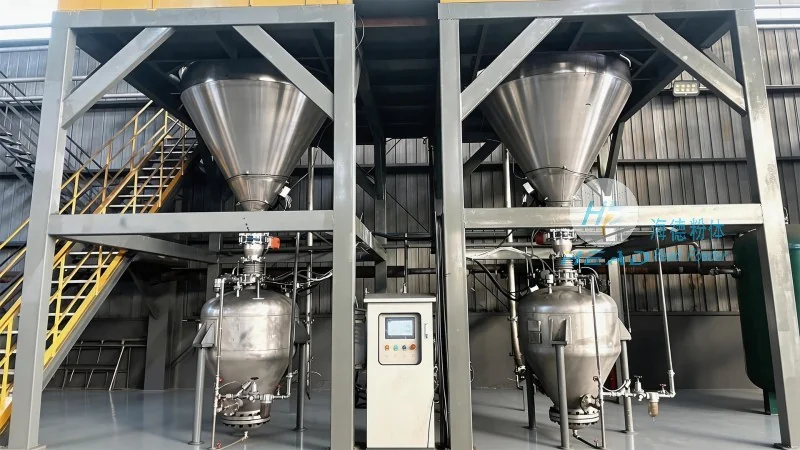
The core mechanism of dust-free material feeding and air-pneumatic conveying involves the use of compressed air or vacuum to transport bulk materials through a sealed pipeline system. In a typical positive pressure system, a blower generates high-pressure air that propels material particles forward. The material is fed into the system via a dust-free hopper or feeder, which ensures that the material remains enclosed and prevents dust emissions. The air flow carries the material through the pipeline, with the system designed to maintain consistent velocity and pressure to avoid blockages or material degradation. Negative pressure systems, on the other hand, use a vacuum to draw material from a source into the pipeline, often employed for applications requiring gentle handling of delicate or fine powders. Both systems incorporate filtration and separation components to ensure that the material is conveyed without releasing dust into the environment, making them ideal for industries where air quality and product purity are critical.
Key Characteristics of Dust-Free Material Feeding and Air-Pneumatic Conveying Systems
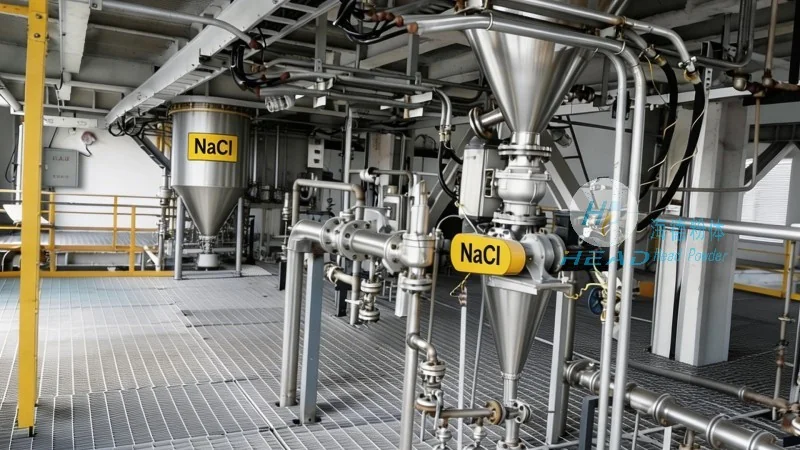
One of the most significant characteristics of these systems is their ability to maintain a dust-free environment, which is crucial for industries such as pharmaceuticals, food processing, and electronics manufacturing. The sealed design of the pipeline and feeding mechanisms prevents material contamination and reduces the risk of airborne particles affecting product quality or worker health. Additionally, the systems offer high efficiency in material transport, with the ability to handle a wide range of particle sizes and densities, from fine powders to bulk solids. This versatility makes them suitable for various applications, including chemical processing, cement production, and agricultural material handling. Another key characteristic is the system's energy efficiency, as modern designs incorporate optimized air flow and pressure control to minimize energy consumption while maintaining reliable performance. The durability of the components, including corrosion-resistant materials and robust seals, ensures long-term operation with minimal maintenance, reducing downtime and operational costs. Furthermore, the systems are designed for easy integration into existing production lines, with modular components that allow for customization based on specific process requirements. This adaptability enhances flexibility and scalability, enabling businesses to expand their operations without significant infrastructure changes.
Operational Advantages and Applications
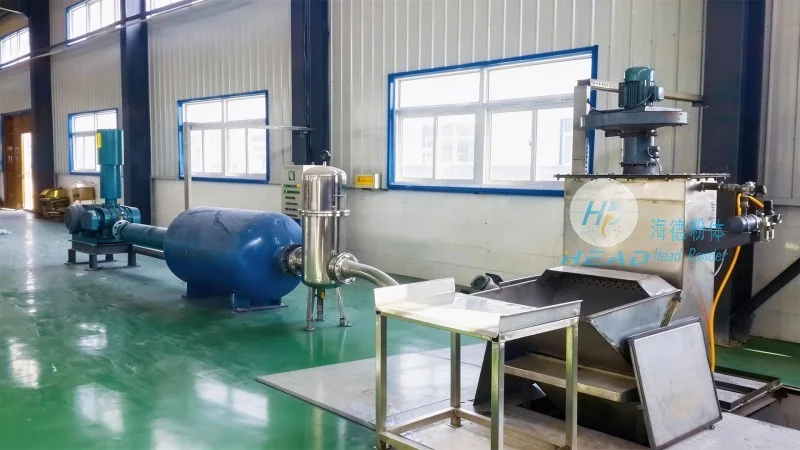
The dust-free material feeding and air-pneumatic conveying systems from HeadPowder offer several operational advantages that contribute to improved productivity and cost-effectiveness. The sealed and enclosed design eliminates the need for additional dust control measures, such as local exhaust ventilation or filtration systems, reducing overall operational costs and complexity. The systems also minimize material loss and waste, as the enclosed pipeline prevents material spillage or degradation during transport. This is particularly beneficial for high-value materials where even small losses can impact profitability. In terms of safety, the systems reduce the risk of dust explosions by maintaining a dust-free environment and controlling the concentration of airborne particles. This makes them suitable for hazardous material handling, where explosion-proof designs are often required. The systems are widely used in industries such as pharmaceutical manufacturing, where product purity and regulatory compliance are paramount. They are also employed in food processing facilities to ensure that materials are handled hygienically and without contamination. Additionally, the systems find applications in chemical and cement industries, where bulk materials need to be transported over long distances with minimal degradation. The combination of efficiency, safety, and environmental compliance makes these systems a preferred choice for businesses seeking to optimize their material handling processes.




