For industries dealing with gypsum materials, efficient material handling is crucial to maintain production efficiency and operational costs. Pneumatic conveying systems offer a reliable solution for transporting gypsum, providing a dust-free, continuous process that enhances safety and productivity. This article explores the working principle and key characteristics of pneumatic conveying for gypsum materials, highlighting how such systems can optimize material transport in industrial applications.
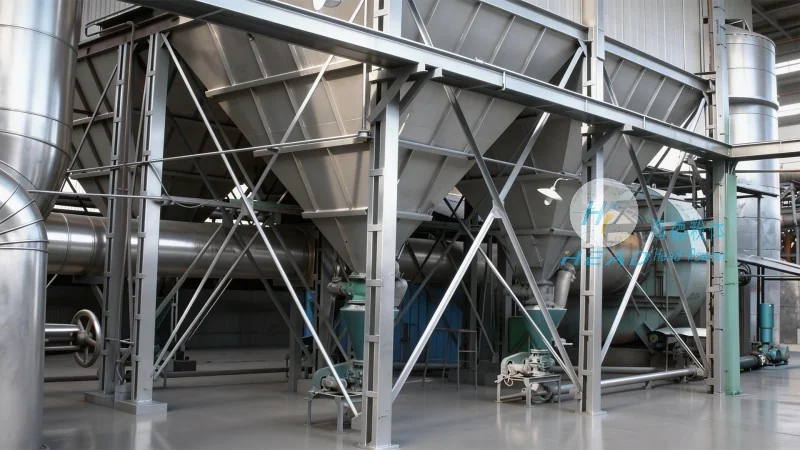
The Working Principle of Pneumatic Conveying for Gypsum
At the core of pneumatic conveying for gypsum is the use of air to transport the material through a pipeline. The process typically involves a few key components: a feeding device, a conveying line, a separation system, and a discharge outlet. The working principle can be broken down into the following steps:
- Air Generation and Material Intake: A blower or compressor generates high-pressure air, which is then introduced into the conveying line. The gypsum material is fed into the system, often via a hopper or a rotary valve, ensuring a consistent flow.
- Material Suspension and Transport: The high-pressure air creates a flow that suspends the gypsum particles in the air stream. This suspension allows the material to be carried through the pipeline to the destination point. The velocity of the air is critical here, as it must be sufficient to keep the particles airborne but not so high as to cause excessive wear on the system components.
- Separation and Discharge: Upon reaching the end of the conveying line, the air and material mixture enters a separator. The separator uses gravity or a cyclone to separate the air from the gypsum particles. The separated gypsum is then discharged into a collection bin or storage area, while the air is either filtered and recirculated or vented to the atmosphere.
Shandong HeadPowder Engineering Co., Ltd., a leading provider of material handling solutions, specializes in designing and manufacturing pneumatic conveying systems tailored to the specific needs of gypsum processing industries. Their expertise ensures that the systems are optimized for the unique properties of gypsum, such as its density and particle size, to achieve efficient and reliable transport.
Key Characteristics of Pneumatic Conveying for Gypsum
Pneumatic conveying systems for gypsum exhibit several distinct characteristics that make them advantageous for industrial applications:
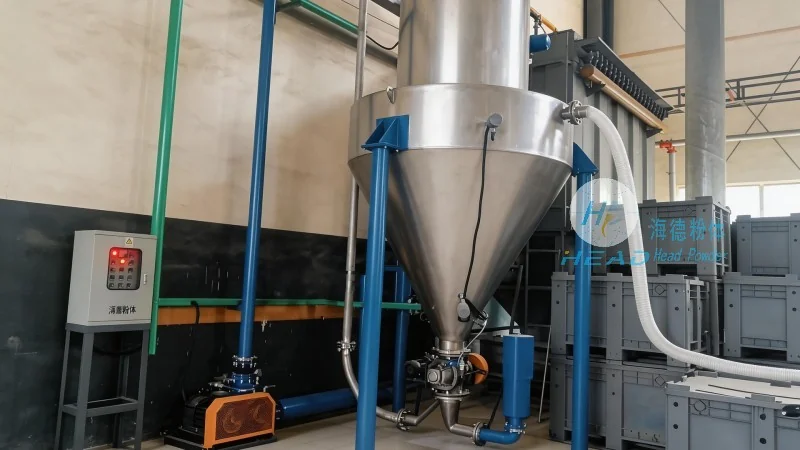
- Dust-Free Operation: Unlike traditional belt or bucket elevators, pneumatic conveying systems operate in a closed environment, preventing dust from being released into the workplace. This not only improves air quality but also reduces the risk of respiratory issues among workers.
- Continuous and Uniform Flow: The system provides a continuous flow of material, eliminating the need for manual intervention or batch processing. This consistency ensures that downstream processes, such as grinding or packaging, receive a steady supply of gypsum, reducing downtime and improving overall production efficiency.
- Space Efficiency: Pneumatic conveying systems are highly compact and can be installed in areas with limited space. The use of pipelines allows for flexible routing, enabling the system to be integrated into existing plant layouts without major structural modifications.
- Low Maintenance Requirements: Compared to mechanical conveying systems, pneumatic conveying systems have fewer moving parts, which reduces the likelihood of mechanical failures and lowers maintenance costs over the long term.
These characteristics make pneumatic conveying an ideal choice for gypsum processing facilities looking to enhance their material handling capabilities while maintaining operational safety and efficiency.
Applications and Benefits in Gypsum Processing
Gypsum is widely used in construction, pharmaceuticals, and agricultural industries, and the efficient transport of this material is critical to the success of these applications. Pneumatic conveying systems from Shandong HeadPowder Engineering Co., Ltd. are designed to meet the specific demands of these industries, providing reliable and cost-effective solutions for material transport.
In construction, for example, gypsum is used to produce drywall and plaster products. The pneumatic conveying system ensures that raw gypsum is transported from storage to production lines without any loss or contamination, maintaining the quality of the final product. Similarly, in the pharmaceutical industry, where gypsum is used as a filler or excipient, the dust-free and hygienic nature of the system is essential to meet regulatory standards.
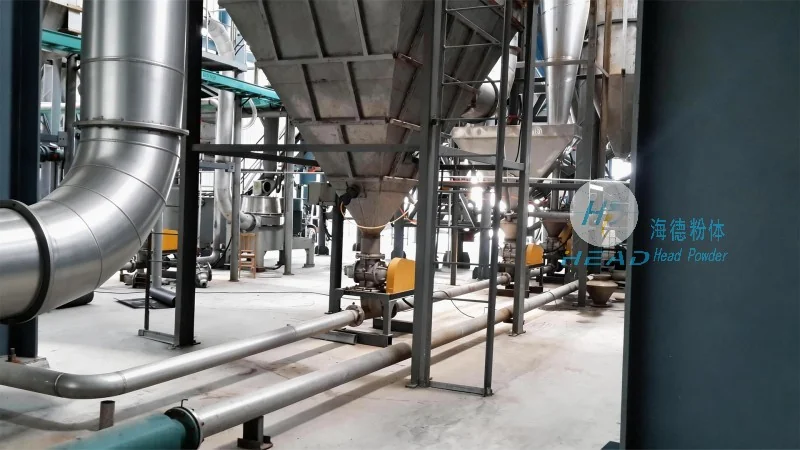
The benefits of using pneumatic conveying for gypsum extend beyond just material transport. By reducing labor costs associated with manual handling and minimizing the risk of accidents, the system contributes to overall operational cost savings. Additionally, the consistent flow of material improves the quality control processes, leading to higher product yields and reduced waste.
Conclusion and Company Overview
Pneumatic conveying for gypsum materials is a highly effective and efficient method of material handling, offering numerous advantages over traditional systems. The working principle, which relies on air to transport the material, ensures a dust-free, continuous process that enhances safety and productivity. The key characteristics of such systems, including their dust-free operation, continuous flow, space efficiency, and low maintenance requirements, make them a preferred choice for gypsum processing industries.
Shandong HeadPowder Engineering Co., Ltd. is a trusted partner in providing customized pneumatic conveying solutions for gypsum materials. With their expertise in material handling technology and commitment to quality, they help industries optimize their material transport processes, leading to improved operational efficiency and cost savings. For businesses dealing with gypsum, investing in a pneumatic conveying system from HeadPowder is a strategic decision that can significantly enhance their production capabilities and overall success.




