

What is a Pepper Powder Material Pneumatic Conveying System? What Are Its Design Principles?
Pepper powder material pneumatic conveying systems are specialized equipment designed to transport pepper powder and similar fine particulate materials through a pipeline using air as the conveying medium. This technology offers an efficient, dust-free, and hygienic method for handling pepper powder, which is crucial in food processing and pharmaceutical industries where product purity and operational safety are paramount. The system combines mechanical components and pneumatic principles to ensure reliable material transfer from the source to the destination, minimizing contamination and operational disruptions.
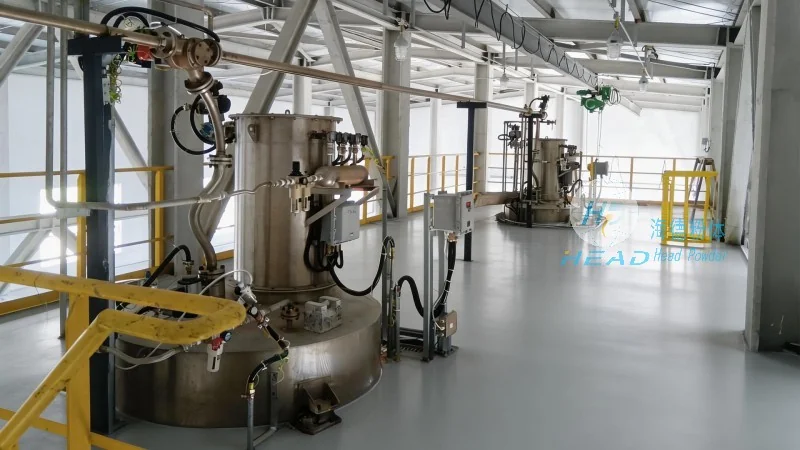
About HeadPowder: Your Expert in Pneumatic Conveying Solutions
HeadPowder, or Shandong HeadPowder Engineering Co., Ltd., is a leading manufacturer and supplier of advanced pneumatic conveying systems tailored for various industrial applications. With a strong presence in China, particularly in Shandong, the company specializes in designing, manufacturing, and installing customized solutions that meet the specific needs of clients in the food, pharmaceutical, and chemical sectors. HeadPowder's commitment to quality, innovation, and customer satisfaction has established it as a trusted partner for businesses seeking reliable material handling solutions. The company's headquarters and operational base are located in Shandong, China, where it leverages local expertise and resources to deliver high-performance pneumatic conveying systems.
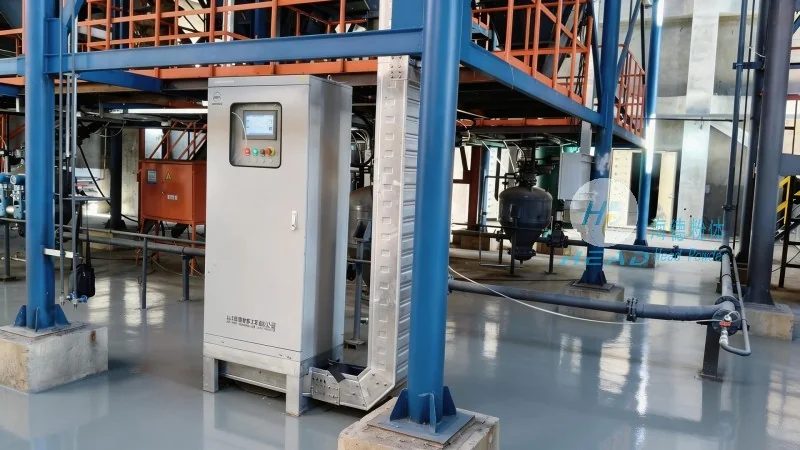
Design Principles of Pepper Powder Pneumatic Conveying Systems
The design of a pepper powder material pneumatic conveying system is based on fundamental principles of fluid dynamics and material handling. The core concept involves creating a pressure differential or using vacuum to move the material through a pipeline. There are two primary types of pneumatic conveying systems: pressure and vacuum. In pressure systems, compressed air is used to push the material through the pipeline, while vacuum systems use a vacuum to draw the material from the source. For pepper powder, which is a fine, light material, pressure systems are often preferred due to their ability to handle high volumes and maintain consistent flow rates. The system typically includes several key components: a feeder to introduce the pepper powder into the pipeline, a conveying line (usually made of stainless steel to ensure hygiene and durability), a separator to separate the air from the powder at the receiving end, and a control system to regulate the flow and pressure. The design must consider factors such as the particle size, density, and moisture content of the pepper powder, as well as the required conveying distance and throughput. Proper design ensures that the system operates efficiently, with minimal energy consumption and maximum material recovery. The use of stainless steel components is critical to prevent contamination and corrosion, which is essential for products like pepper powder that are used in food and pharmaceutical applications. Additionally, the system's design must comply with industry standards and regulations to ensure safety and compliance.
Key Components and Their Functions in the System
Each component of a pepper powder pneumatic conveying system plays a vital role in ensuring efficient and reliable operation. The feeder is responsible for introducing the pepper powder into the conveying line at a consistent rate. There are different types of feeders, such as rotary valves and star feeders, which are chosen based on the material's properties and the system's requirements. The conveying line is the main pipeline through which the pepper powder and air travel. It is typically made of stainless steel to maintain hygiene and prevent material buildup. The length and diameter of the line are critical factors that affect the system's performance, as they influence the pressure drop and flow rate. The separator is a crucial component that separates the pepper powder from the air at the receiving end. This is typically achieved using a cyclone separator or a bag filter, which collects the powder and returns it to the process while releasing the air. The control system manages the operation of the feeder, conveying line, and separator, ensuring that the system operates within the desired parameters. It may include sensors to monitor pressure, flow rate, and material level, and control valves to adjust the air supply and material feed. The design of each component must be optimized to handle the specific characteristics of pepper powder, such as its fine particle size and low density, to prevent blockages and ensure smooth operation. For example, the feeder must be designed to handle the material's flow characteristics without causing agglomeration, while the separator must be efficient enough to capture all the powder without losing it to the air stream. Proper maintenance of these components is also essential to ensure the long-term performance and reliability of the system.
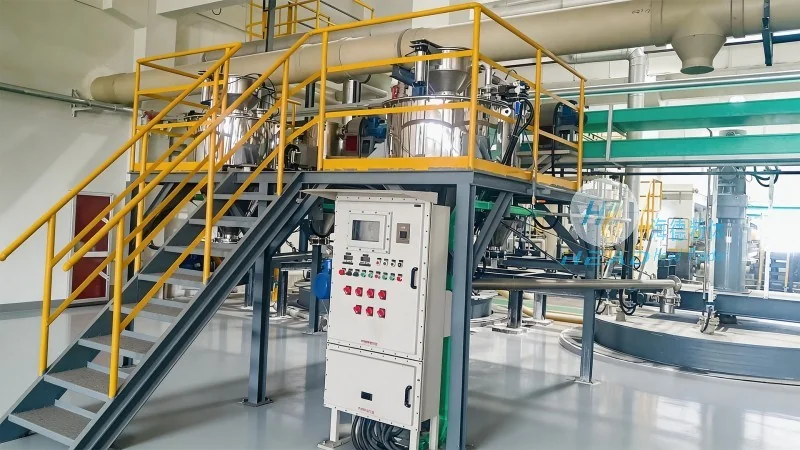
Advantages of Using Pneumatic Conveying for Pepper Powder
Implementing a pneumatic conveying system for pepper powder offers several advantages over traditional methods such as belt conveyors or bucket elevators. One of the primary benefits is the ability to handle fine particulate materials without the risk of contamination or material loss. The enclosed pipeline system prevents dust from escaping into the environment, which is important for maintaining a clean and safe workplace. Additionally, pneumatic conveying systems are more hygienic and easier to clean, which is critical in food and pharmaceutical industries where product purity is a top priority. The system also offers greater flexibility in terms of layout, as the pipeline can be installed in various configurations to accommodate different plant layouts and operational requirements. Another advantage is the reduced risk of material degradation, as the enclosed system protects the pepper powder from exposure to air, moisture, and other contaminants. This helps to maintain the quality and freshness of the product. Furthermore, pneumatic conveying systems can handle high volumes of material at a relatively low cost compared to other methods, making them an economical choice for large-scale operations. The system's ability to operate continuously without frequent maintenance or downtime also contributes to increased productivity and efficiency. Overall, the use of a pneumatic conveying system for pepper powder provides a reliable, efficient, and cost-effective solution for material handling, ensuring that the product remains in optimal condition throughout the process.