Working Principle and Characteristics of Air-Pneumatic Conveying for Lime Material
Release time:2026-09-18 06:01:25
name of the company:Shandong Headpowder Engineering Co., Ltd.
telephone:156-6277-7102
contacts:Zhang manager
When it comes to transporting lime material efficiently and safely, air-pneumatic conveying systems offer a reliable solution. This method utilizes a combination of air flow and pressure to move bulk materials like lime through a pipeline network. The process is designed to handle the unique properties of lime, ensuring minimal dust generation and consistent material flow. In this article, we will explore the working principle of such systems and highlight the key characteristics that make them suitable for lime material handling applications.
Working Principle of Air-Pneumatic Conveying for Lime
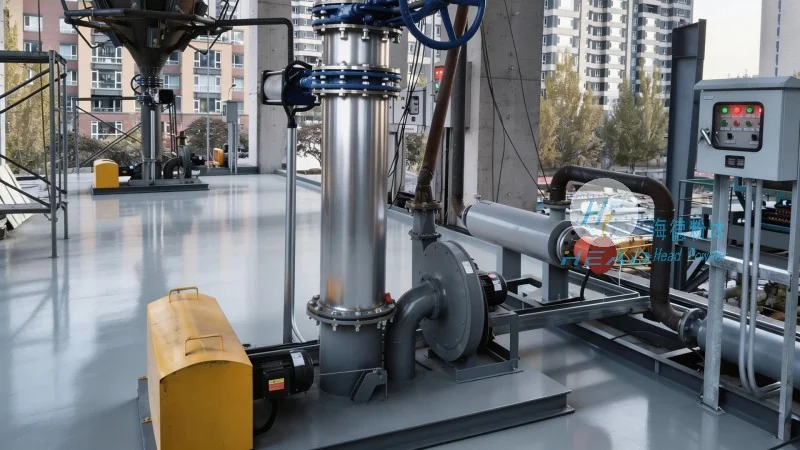
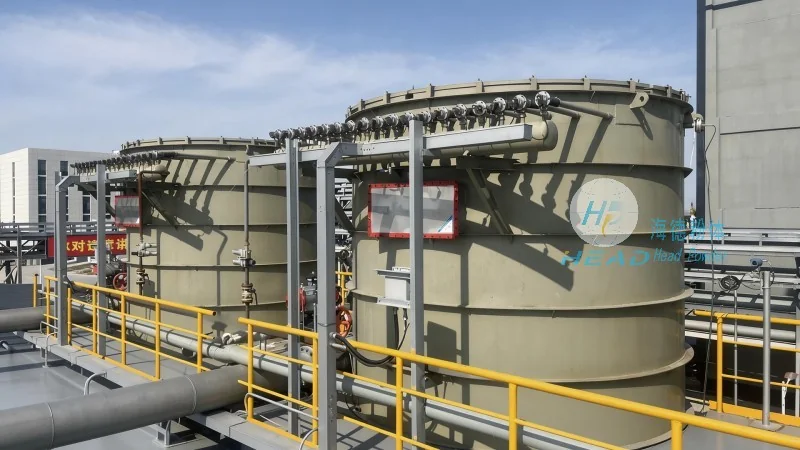
The core mechanism of air-pneumatic conveying for lime material involves the use of a blower or compressor to generate a flow of air within a sealed pipeline. The lime material is introduced into the system, typically at a loading point, and is then entrained by the moving air stream. As the air and material travel through the pipeline, the material is carried along by the air flow, reaching the discharge point where it is collected. The system operates under either positive pressure (pressure conveying) or negative pressure (suction conveying), depending on the specific requirements of the application. For lime, which is often used in industrial processes such as flue gas desulfurization or as a building material, the air-pneumatic system ensures that the material is transported without degradation, maintaining its quality and consistency.
Key Characteristics of Air-Pneumatic Conveying for Lime Material
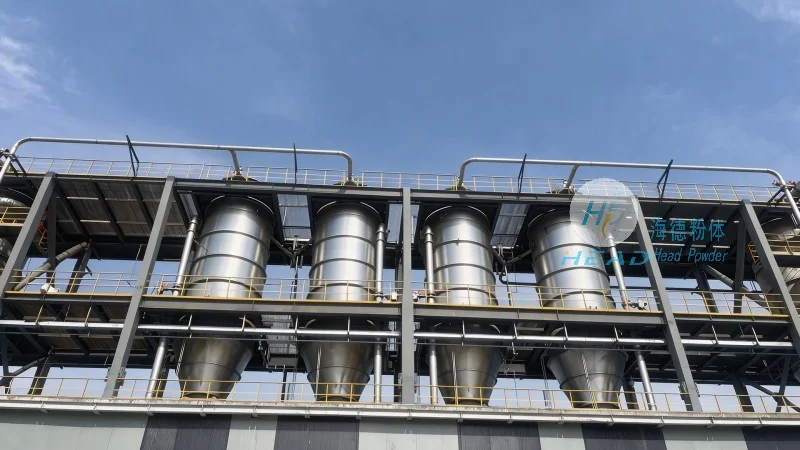
Several distinct characteristics make air-pneumatic conveying an ideal choice for handling lime material. First, the system is highly effective in minimizing dust and airborne particles, which is crucial for maintaining a clean working environment and complying with environmental regulations. The enclosed pipeline design prevents dust from escaping into the surrounding air, reducing the risk of respiratory issues for workers and minimizing the need for additional dust control measures. Second, the conveying process is gentle on the material, preserving its physical properties and preventing breakage or degradation. This is particularly important for lime, which can be sensitive to impact or abrasion during transport. Third, the system offers flexibility in terms of layout and installation, allowing for complex pipeline configurations to accommodate various production and storage locations. Additionally, the air-pneumatic system can handle a wide range of material sizes and moisture content, making it adaptable to different lime processing applications. Finally, the operational efficiency of the system contributes to cost savings, as it reduces labor costs associated with manual handling and minimizes material loss during transport.
Application Examples and Benefits for Lime Handling
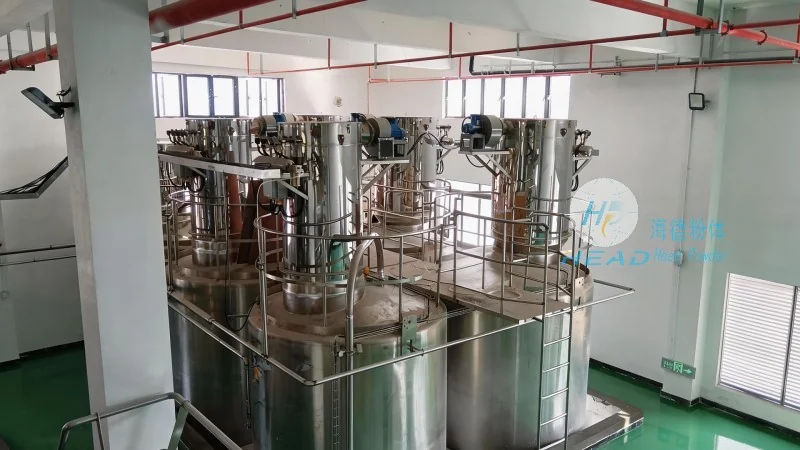
HeadPowder, a leading provider of material handling solutions, specializes in designing and manufacturing air-pneumatic conveying systems tailored to the needs of lime processing industries. Our systems have been successfully implemented in various applications, including the transportation of lime from storage silos to processing units, and from production lines to packaging areas. The benefits of using our air-pneumatic conveying systems for lime material handling are evident in improved operational efficiency, reduced maintenance costs, and enhanced safety. By leveraging the expertise of Shandong HeadPowder Engineering Co., Ltd., based in China, clients can achieve reliable and cost-effective material transport solutions that meet their specific requirements. The company's commitment to quality and innovation ensures that their air-pneumatic conveying systems are built to last, providing long-term value and performance for lime material handling operations.




