

What is a Barium Carbonate Material Pneumatic Conveying System? What Are Its Design Principles?
Barium carbonate, a chemical compound widely used in various industrial applications, often requires efficient and reliable material handling solutions for its transport. Pneumatic conveying systems have emerged as a preferred method for handling such materials due to their ability to transport powders and granules over long distances with minimal environmental impact. This article explores the concept of a barium carbonate material pneumatic conveying system, detailing its operational principles and design considerations.
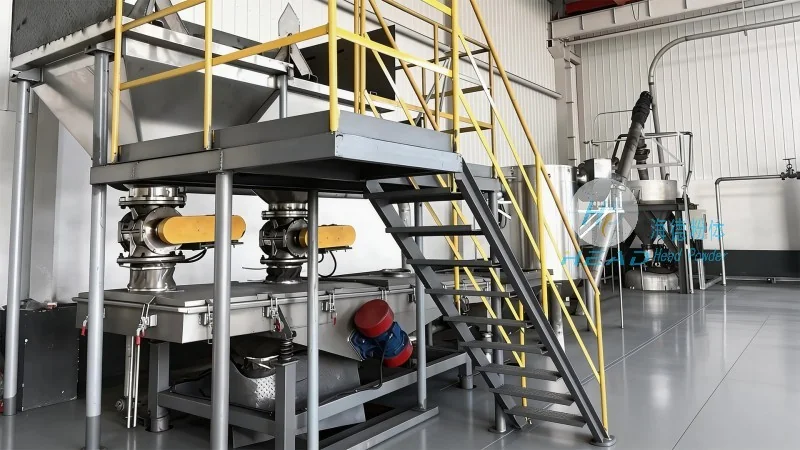
About Shandong HeadPowder Engineering Co., Ltd.
As a leading engineering firm in the field of material handling and processing, Shandong HeadPowder Engineering Co., Ltd. specializes in designing and implementing advanced pneumatic conveying solutions. With a strong focus on innovation and customer-centric approaches, the company has built a reputation for delivering high-quality systems tailored to the specific needs of clients. HeadPowder’s expertise spans the entire lifecycle of pneumatic conveying projects, from initial consultation and system design to installation and ongoing support. The company’s commitment to excellence ensures that each system is optimized for performance, efficiency, and durability, meeting the stringent requirements of modern industrial operations.
Understanding Pneumatic Conveying for Barium Carbonate
Pneumatic conveying systems utilize air or other gases to transport solid materials through a pipeline network. In the case of barium carbonate, which is typically a fine powder or granular material, these systems offer several advantages over traditional methods like belt conveyors or bucket elevators. Key benefits include reduced dust generation, lower maintenance costs, and the ability to handle materials in a closed system, minimizing contamination and environmental exposure. The design of a barium carbonate pneumatic conveying system must account for the material’s physical properties, such as particle size, density, and flow characteristics, to ensure optimal performance.
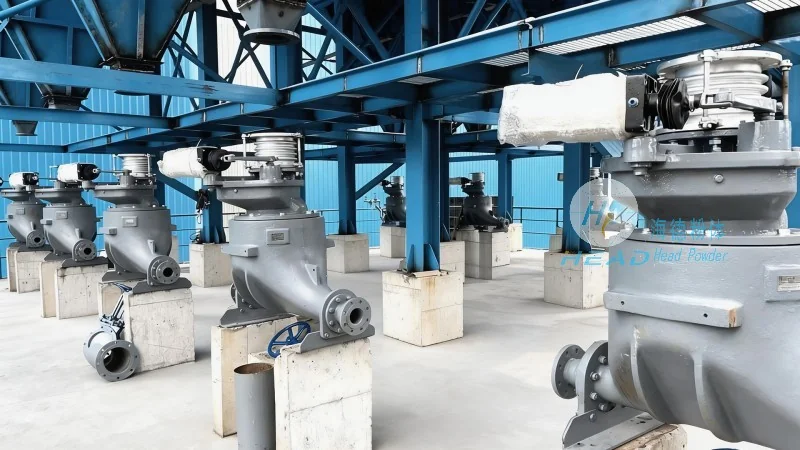
Design Principles of Barium Carbonate Pneumatic Conveying Systems
The design of a barium carbonate pneumatic conveying system involves several critical components and principles. The system typically consists of a material feed hopper, a conveying line (often equipped with bends and elbows), a dust collection system, and a receiver for the material. The selection of the conveying line diameter and length is crucial, as it directly impacts the system’s air velocity and pressure requirements. Air velocity must be maintained at a level sufficient to keep the material suspended in the air stream, preventing clogging and ensuring smooth transport. The system also incorporates pressure relief valves and filters to manage air pressure and maintain air quality. The material feed mechanism, such as a rotary valve or screw feeder, ensures a consistent flow of barium carbonate into the conveying line, preventing blockages and maintaining system efficiency.
Key Components and Their Functions
Several key components are integral to the functionality of a barium carbonate pneumatic conveying system. The material feed hopper is designed to store and feed the barium carbonate into the system at a controlled rate. This component often includes a level indicator to monitor the material inventory and a discharge valve to regulate the flow. The conveying line, made from materials resistant to the chemical properties of barium carbonate (such as stainless steel or special plastics), is equipped with bends and elbows to direct the material along the desired path. These components are strategically placed to minimize pressure losses and maintain the air velocity required for effective conveying. The dust collection system, typically a cyclone separator or bag filter, captures any airborne particles and returns them to the conveying line or stores them in a collection bin. This ensures that the material is not lost and that the system operates in compliance with environmental regulations. The receiver, or discharge hopper, collects the material at the end of the conveying line and may include a discharge valve to control the material release.
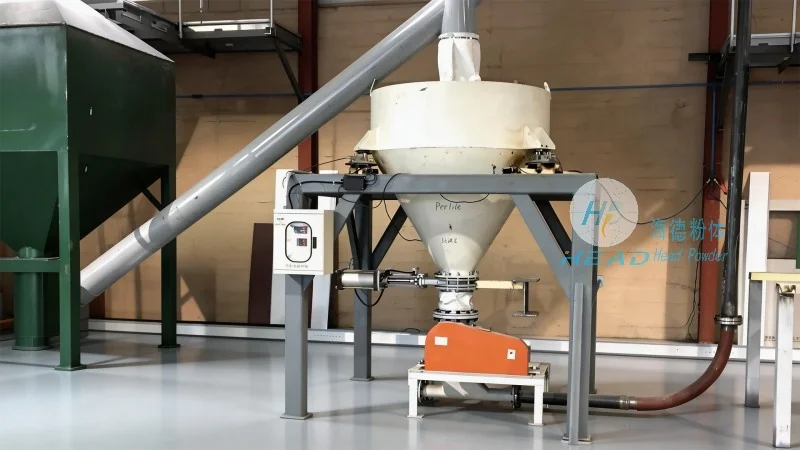
Operational Considerations and Maintenance
Proper operation and maintenance are essential for the longevity and efficiency of a barium carbonate pneumatic conveying system. Regular inspections of the conveying line and components are necessary to detect any signs of wear, clogging, or leaks. The air compressor, which provides the necessary pressure and volume of air, should be maintained to ensure consistent performance. Filters and separators should be cleaned or replaced as needed to prevent clogging and maintain air quality. The material feed mechanism should be checked for proper operation to ensure a consistent flow of barium carbonate. Additionally, the system should be equipped with safety features, such as pressure relief valves and emergency shut-off mechanisms, to prevent accidents and protect personnel. By adhering to these operational guidelines, the system can operate reliably and efficiently, minimizing downtime and maximizing productivity.
Conclusion
A barium carbonate material pneumatic conveying system is a sophisticated and efficient solution for handling this chemical compound. The design principles, components, and operational considerations outlined in this article highlight the importance of a well-engineered system tailored to the specific properties of barium carbonate. With the expertise of companies like Shandong HeadPowder Engineering Co., Ltd., these systems can be optimized to meet the demands of various industrial applications, ensuring reliable and cost-effective material transport. By understanding the design and operational aspects of pneumatic conveying systems, industries can enhance their material handling processes and improve overall productivity.