Understanding the fundamentals of catalyst pneumatic conveying systems is crucial for industries that rely on efficient material handling and processing. These systems are engineered to transport catalyst powders and other fine particulate materials through a pipeline using pressurized air or other gas streams. The design principles behind such systems are critical to ensuring reliable operation, minimizing material degradation, and optimizing energy efficiency.
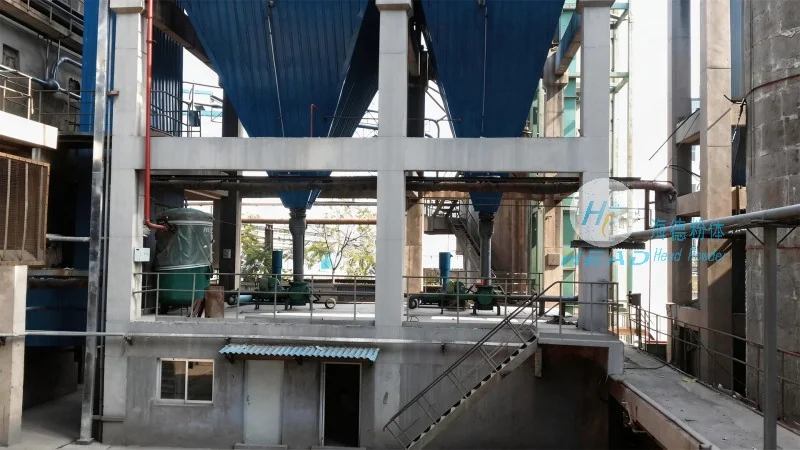
What is a Catalyst Pneumatic Conveying System?
A catalyst pneumatic conveying system is a specialized type of material handling equipment used to transport catalyst powders and similar fine particles from one location to another within an industrial facility. Unlike traditional mechanical conveying methods, which rely on belts, screws, or buckets, pneumatic systems use the force of moving air or gas to move materials through a sealed pipeline. This method is particularly advantageous for handling delicate catalysts that are prone to degradation, contamination, or agglomeration when exposed to ambient conditions or mechanical stress.
Key Components of a Catalyst Pneumatic Conveying System
At its core, a catalyst pneumatic conveying system consists of several key components that work in tandem to achieve efficient material transport. These components typically include a material feed hopper or silo, a conveying line (often made of stainless steel or other corrosion-resistant materials), a gas source (such as a blower or compressor), a control system for regulating air pressure and flow, and a discharge unit at the receiving end. The feed hopper is designed to hold the catalyst powder and provide a controlled flow of material into the conveying line. The conveying line is usually a rigid pipe with appropriate bends and fittings to direct the material to the destination. The gas source provides the necessary pressure to move the material through the line, while the control system ensures that the system operates within safe and efficient parameters. The discharge unit, such as a rotary valve or a dust collector, manages the release of the material at the receiving point.
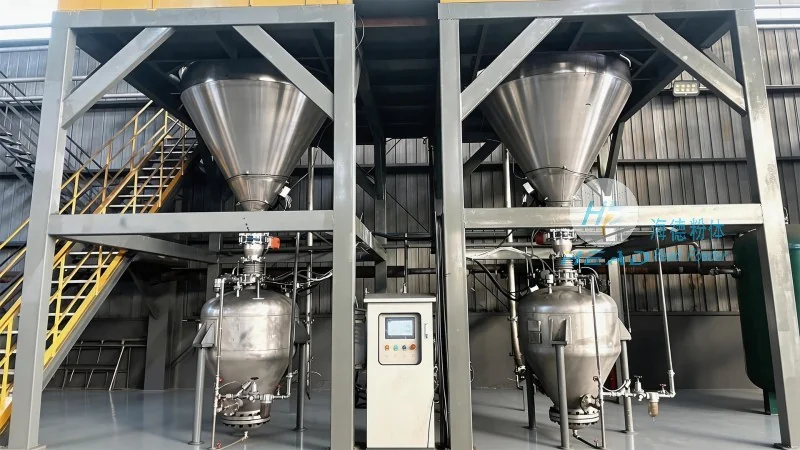
How Does a Catalyst Pneumatic Conveying System Work?
The operation of a catalyst pneumatic conveying system is based on the principle of fluidization and drag flow. When the gas source is activated, it creates a low-pressure zone within the conveying line. The catalyst powder is then introduced into the line, and the moving air lifts and suspends the particles, transporting them along the pipeline. The velocity of the gas and the size of the particles determine the conveying velocity and the required pressure. The system is designed to maintain a consistent flow rate and pressure to prevent material buildup or blockages in the line. The entire process is typically automated, with sensors and controls monitoring the system's performance and adjusting parameters as needed to ensure smooth operation.
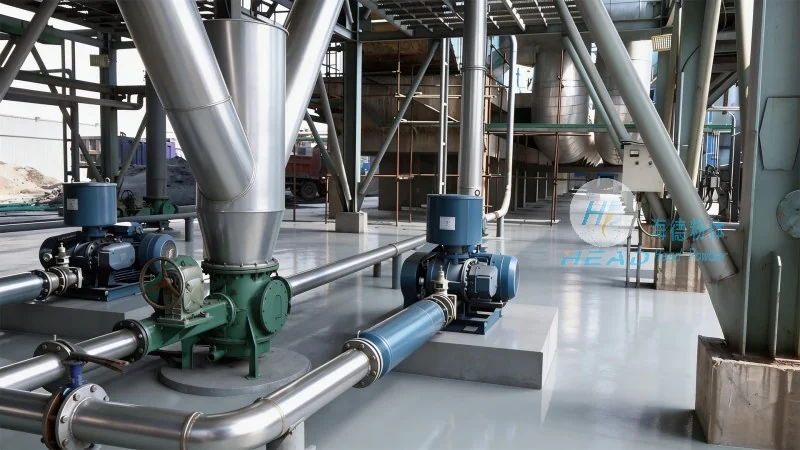
Design Principles for Catalyst Pneumatic Conveying Systems
The design of a catalyst pneumatic conveying system involves several critical principles aimed at optimizing performance, reliability, and safety. First, the system must be designed to handle the specific characteristics of the catalyst powder, including its particle size distribution, density, and flowability. This involves selecting appropriate equipment materials (such as stainless steel or special alloys) to prevent corrosion or contamination of the catalyst. Second, the system must be engineered to minimize material degradation during transport. This includes controlling the conveying velocity to avoid excessive particle impact and using smooth, non-abrasive pipe surfaces to reduce wear. Third, energy efficiency is a key design consideration, as pneumatic systems can consume significant power. Designers often incorporate energy recovery systems or optimize the gas flow rate to reduce energy consumption. Fourth, safety is paramount, especially when handling catalysts that may be hazardous or reactive. The system must include features such as pressure relief valves, explosion-proof components, and proper ventilation to prevent accidents and ensure operator safety.
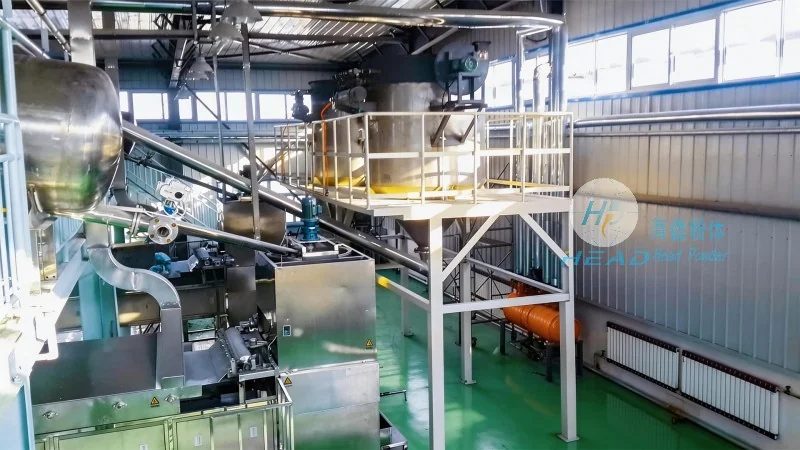
Applications and Benefits of Catalyst Pneumatic Conveying Systems
Catalyst pneumatic conveying systems are widely used in various industrial applications, including chemical processing, petrochemical plants, and pharmaceutical manufacturing. They are particularly valuable in processes where catalyst powders need to be transported between reactors, storage tanks, or processing units without exposure to air or moisture. The benefits of these systems include improved material handling efficiency, reduced downtime due to fewer maintenance requirements, and enhanced product quality by minimizing material degradation. Additionally, the sealed pipeline design helps maintain the purity of the catalyst, which is critical for maintaining its effectiveness in chemical reactions.
Conclusion
In summary, a catalyst pneumatic conveying system is a sophisticated piece of equipment designed to efficiently and safely transport catalyst powders and other fine materials. The design principles behind such systems focus on material compatibility, energy efficiency, and operational reliability. By understanding these principles and the key components of the system, industries can optimize their material handling processes and improve overall productivity. For companies seeking reliable solutions for catalyst transport, Shandong HeadPowder Engineering Co., Ltd. (headpowder), a leading manufacturer based in Shandong, China, offers expert design and manufacturing services tailored to meet the specific needs of their operations.




