Carbon fiber pneumatic conveying is a specialized technology used for the transport of carbon fiber materials through a pressurized or vacuum system. This method involves the use of air or other gases to move fine or bulk carbon fiber particles from one location to another, offering advantages such as low maintenance, flexibility in system design, and the ability to handle sensitive materials without causing damage. As a key component in the manufacturing and processing of carbon fiber products, understanding the principles and applications of this technology is crucial for industries relying on high-performance carbon fiber materials.
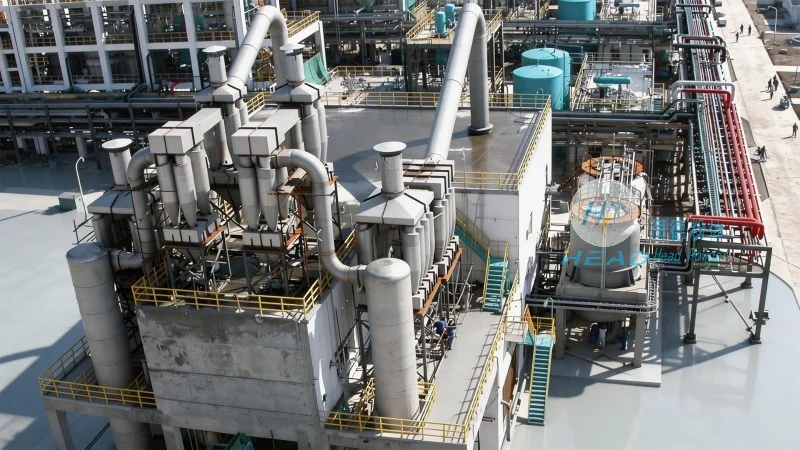
Classification of Pneumatic Conveying Systems
Pneumatic conveying systems are typically classified based on the pressure differentials used to move material. The two main categories are pressure and vacuum systems. Pressure systems operate by forcing air or gas into a hopper or container, creating positive pressure that propels the material through the pipeline. These systems are commonly used for long-distance or high-volume transport of carbon fiber, as they can handle a wide range of particle sizes and material types. Vacuum systems, on the other hand, create a negative pressure environment that draws material from a source into a collection point. This method is often employed for shorter distances or when handling materials that are more delicate and require gentle handling.
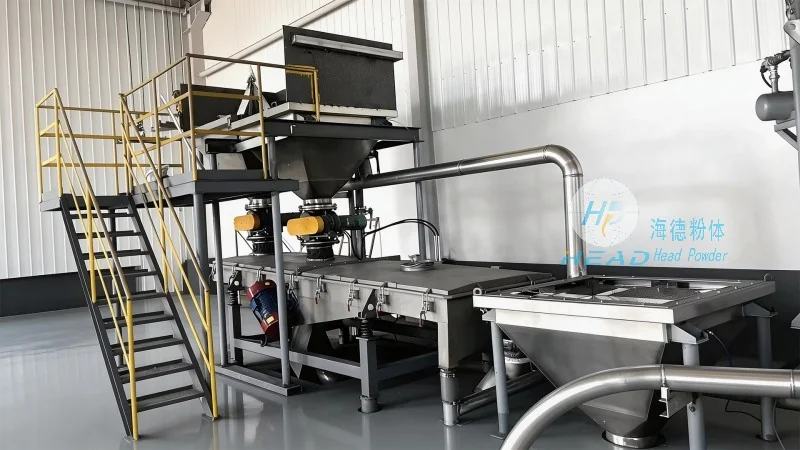
Applications of Carbon Fiber Pneumatic Conveying
The applications of carbon fiber pneumatic conveying span various industries, including aerospace, automotive, and composite manufacturing. In aerospace, carbon fiber is used to produce lightweight yet strong components for aircraft, and pneumatic conveying ensures efficient and clean transport of raw carbon fiber materials to production lines. The automotive industry leverages carbon fiber for high-performance parts, such as body panels and interior components, where the ability to handle fine carbon fiber powders without contamination is essential. Additionally, in composite manufacturing, carbon fiber pneumatic conveying facilitates the integration of carbon fiber into resin systems, enabling the production of high-quality composite parts with consistent material properties. The technology also supports research and development activities, allowing for precise material handling in laboratory settings.
Benefits and Considerations for Carbon Fiber Pneumatic Conveying
Implementing carbon fiber pneumatic conveying offers several benefits, including reduced equipment wear compared to mechanical conveying systems, as there are no moving parts in direct contact with the material. This results in lower maintenance costs and longer system lifespans. Additionally, the system can be designed to handle a variety of carbon fiber forms, from fine powders to short fibers, making it versatile for different production needs. However, there are considerations to keep in mind, such as the need for proper filtration to prevent dust accumulation and system blockages. The design of the conveying system must also account for the abrasive nature of carbon fiber, which can cause wear on components over time. Proper system sizing and material selection are critical to ensure efficient and reliable operation.
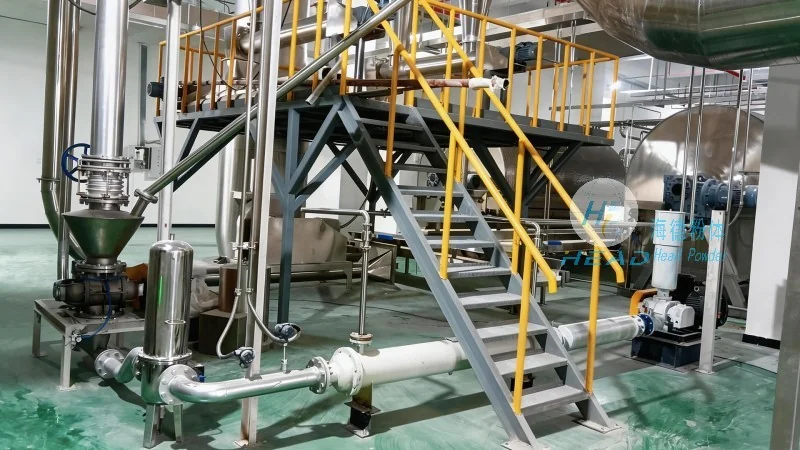
HeadPowder's Expertise in Carbon Fiber Pneumatic Conveying Solutions
Shandong HeadPowder Engineering Co., Ltd., based in China, specializes in providing advanced pneumatic conveying solutions tailored to the unique needs of carbon fiber processing. With years of experience in the industry, HeadPowder has developed systems that optimize material transport while maintaining the integrity of carbon fiber products. The company’s expertise includes custom-designed pressure and vacuum systems, as well as integrated filtration and material handling solutions. By leveraging their knowledge of carbon fiber properties and conveying technology, HeadPowder helps clients enhance production efficiency, reduce costs, and improve product quality. Their commitment to innovation and customer service ensures that clients receive tailored solutions that meet their specific operational requirements.




