PTA (Polyethylene Terephthalate Acid) is a crucial raw material in the production of polyester fibers and resins. The efficient and reliable transport of PTA particles from storage to processing units is essential for maintaining production efficiency and product quality. PTA pneumatic conveying systems have emerged as a preferred solution for this purpose, offering advantages such as low maintenance, minimal product contamination, and the ability to handle a wide range of particle sizes and flow rates. This article delves into what a PTA pneumatic conveying system is and explores its fundamental design principles. HeadPowder, a leading manufacturer of pneumatic conveying systems, provides insights into the technology and its applications.
Understanding PTA Pneumatic Conveying Systems
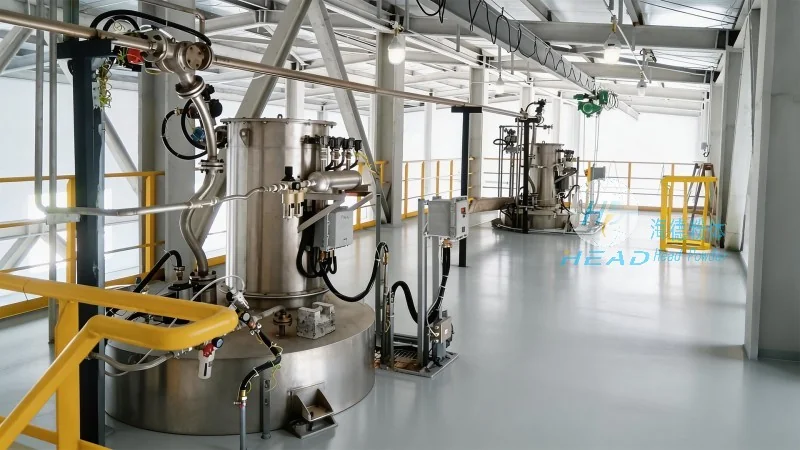
A PTA pneumatic conveying system is a mechanical system designed to transport PTA particles through a pipeline using a gas stream, typically air or a combination of air and other gases. The system consists of several key components, including a hopper or feeder, a conveying line, a gas source (like a blower or compressor), and a receiver or discharge unit. The primary function is to move PTA from its storage location to the next stage of the production process, such as a reactor or a drying unit, without the need for mechanical components like belts or buckets that could cause product degradation or contamination.
Key Components of a PTA Pneumatic Conveying System
The effectiveness of a PTA pneumatic conveying system depends on the proper integration and operation of its core components. The hopper or feeder is responsible for feeding the PTA particles into the system at a controlled rate, ensuring a consistent flow. The conveying line, often made of stainless steel or other corrosion-resistant materials, is designed to withstand the abrasive nature of PTA particles and the pressure of the gas stream. The gas source, typically a positive displacement blower or a rotary lobe compressor, generates the necessary airflow to move the particles through the line. The receiver or discharge unit collects the PTA at the end of the conveying line, allowing it to be discharged into the next process unit. Each component must be carefully selected and sized to ensure optimal performance and longevity.
Design Principles for PTA Pneumatic Conveying Systems
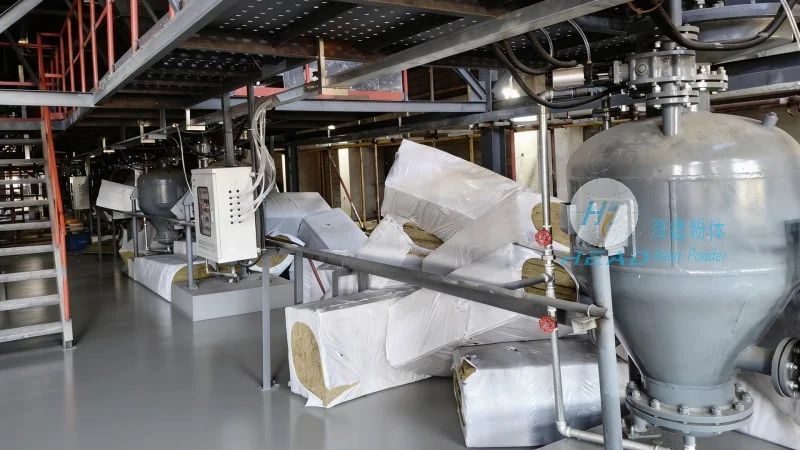
The design of a PTA pneumatic conveying system is guided by several key principles to ensure efficient and reliable operation. One of the most critical principles is the selection of the appropriate conveying method, which can be classified as dilute-phase or dense-phase. Dilute-phase systems use high velocities and low particle concentrations, making them suitable for long-distance transport and handling fine powders. Dense-phase systems, on the other hand, use lower velocities and higher particle concentrations, which is ideal for transporting abrasive or sensitive materials like PTA, as it reduces particle impact and wear on the system components. Another important principle is the calculation of the required airflow and pressure, which depends on factors such as the particle size, density, and flow rate, as well as the length and diameter of the conveying line. Proper sizing of the gas source and the conveying line is essential to prevent system inefficiencies or damage.
Advantages of PTA Pneumatic Conveying Systems
PTA pneumatic conveying systems offer several advantages over traditional mechanical conveying methods. One of the most significant benefits is the reduction in product contamination, as the system is enclosed and uses clean air, preventing exposure to external contaminants. This is particularly important for PTA, which is a high-value raw material used in the production of high-quality polyester products. Additionally, the systems are relatively low maintenance, as they have fewer moving parts compared to mechanical conveyors, reducing downtime and maintenance costs. The ability to handle a wide range of particle sizes and flow rates also makes PTA pneumatic conveying systems versatile and adaptable to different production requirements. Furthermore, the systems can be designed to operate in a closed loop, minimizing dust emissions and improving workplace safety.
Application in PTA Production
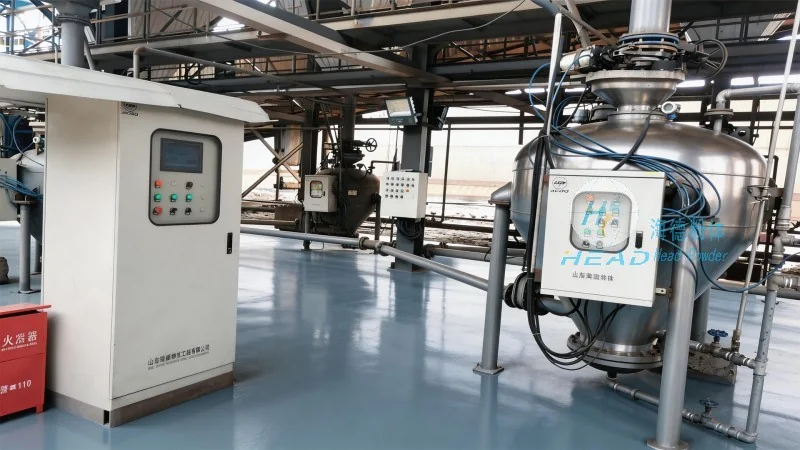
In the PTA production process, pneumatic conveying systems are commonly used to transport PTA from storage silos to the reactor or to transfer it between different processing stages. The systems are often integrated with other equipment, such as feeders and classifiers, to ensure a smooth and continuous flow of material. The design of the system must consider the specific characteristics of PTA, including its particle size distribution, moisture content, and flow properties, to ensure optimal performance. For example, if the PTA particles are fine and have a high moisture content, the system may need to incorporate drying or conditioning steps to prevent clogging or blockages in the conveying line.
Conclusion
PTA pneumatic conveying systems are an essential component in modern PTA production facilities, providing efficient, reliable, and contamination-free transport of PTA particles. The design principles, including the selection of the conveying method, proper sizing of components, and consideration of material properties, are crucial for the system's performance and longevity. As a leading manufacturer in the field, Shandong HeadPowder Engineering Co., Ltd. specializes in designing and manufacturing high-quality PTA pneumatic conveying systems tailored to the specific needs of PTA production facilities. With a focus on innovation and customer satisfaction, HeadPowder ensures that its systems meet the highest standards of efficiency and reliability, helping clients optimize their production processes and maintain a competitive edge in the market.




