

What is a Dry Yeast Powder Pneumatic Conveying Machine? And What Are Its Design Principles?
Welcome to Shandong HeadPowder Engineering Co., Ltd., a leading manufacturer specializing in industrial powder handling solutions. In this article, we will explore the concept of a dry yeast powder pneumatic conveying machine and delve into its fundamental design principles. As a company based in Shandong, China, HeadPowder provides high-quality equipment tailored to meet the specific needs of various industries, including food processing and pharmaceuticals.
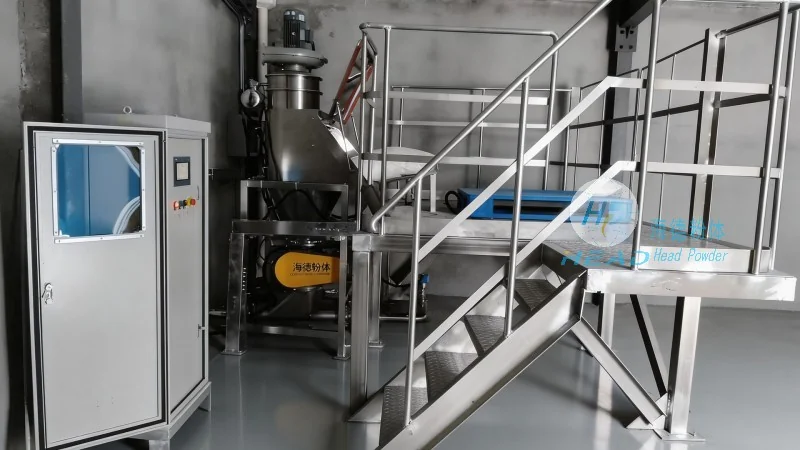
Understanding Dry Yeast Powder Pneumatic Conveying Machines
A dry yeast powder pneumatic conveying machine is a specialized device designed to transport dry yeast powder through a pipeline using air or other gas as the conveying medium. This technology is widely used in industries where the safe and efficient transfer of bulk dry materials is critical. The machine operates by creating a pressure differential within the system, which allows the dry yeast powder to be carried along the pipeline by the moving air stream. This method offers several advantages over traditional mechanical conveying systems, such as reduced contamination risk, lower maintenance requirements, and the ability to handle materials that are sensitive to moisture or temperature changes.
Key Design Principles of Pneumatic Conveying Systems
The design of a dry yeast powder pneumatic conveying machine is based on several core principles that ensure optimal performance and reliability. The first principle is the creation of a consistent air flow rate, which is crucial for maintaining the proper suspension of the dry yeast particles. The machine typically includes a blower or compressor that generates the necessary air pressure to move the material. The second principle involves the use of appropriate pipeline diameters and lengths, as these factors directly impact the conveying efficiency and pressure drop. Properly sized pipelines minimize energy consumption and prevent material blockages. Additionally, the design incorporates features such as in-line filters and cyclone separators to ensure that the dry yeast powder remains free from contaminants and is delivered to the destination in a clean and uniform state.
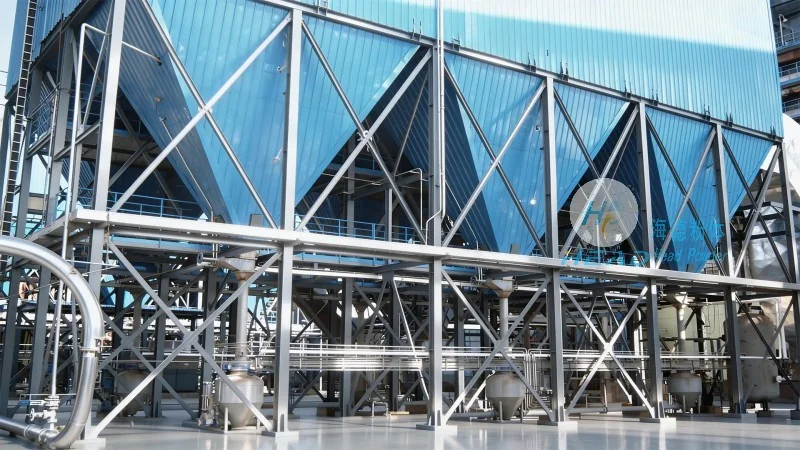
Components and Operational Mechanism
The dry yeast powder pneumatic conveying machine consists of several key components that work together to achieve the desired conveying process. The primary components include a hopper for material storage, a feeder to control the flow rate of the dry yeast powder, a blower or compressor to generate the air flow, a pipeline system for material transport, and a receiver or discharge unit for the final delivery of the material. The operational mechanism begins with the dry yeast powder being fed from the hopper into the feeder. The feeder then meters the material at a controlled rate, ensuring a consistent flow into the pipeline. Simultaneously, the blower or compressor supplies compressed air to the pipeline, creating a pressure differential. The air stream then lifts and transports the dry yeast powder particles through the pipeline to the receiver. The receiver is designed to separate the material from the air stream, typically using a cyclone separator or a filter, and collects the dry yeast powder in a storage container. This process is continuous and can be adjusted to handle varying production volumes and material characteristics.
Advantages and Applications in the Food Industry
The use of dry yeast powder pneumatic conveying machines offers numerous benefits in the food industry, particularly when handling sensitive ingredients like dry yeast. One of the main advantages is the ability to maintain the purity and quality of the dry yeast powder, as the system minimizes contact with external contaminants. The enclosed pipeline design prevents exposure to moisture, dust, or other environmental factors that could degrade the product. Additionally, the system allows for precise control over the conveying rate, which is essential for maintaining consistent product quality and preventing over-processing. In the food industry, these machines are commonly used in bakeries, breweries, and other food processing facilities to transport dry yeast from storage to production lines. The design principles ensure that the dry yeast powder is delivered in a uniform and consistent manner, which is critical for achieving consistent product outcomes. For example, in bakery operations, the dry yeast is conveyed to mixing equipment where it is combined with flour and other ingredients to produce high-quality bread and pastries. The efficiency and reliability of the pneumatic conveying system help to streamline production processes and reduce downtime, ultimately contributing to increased productivity and cost savings.
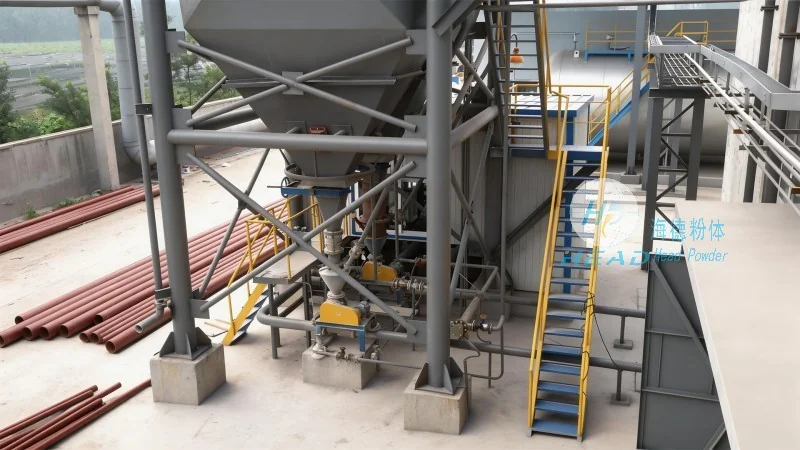
Maintenance and Operational Considerations
Proper maintenance and operational considerations are essential to ensure the long-term performance and reliability of a dry yeast powder pneumatic conveying machine. Regular maintenance activities include cleaning the hopper and feeder to prevent material buildup, inspecting the pipeline for any signs of wear or blockages, and checking the blower or compressor for optimal performance. It is also important to monitor the air pressure and flow rate to ensure they remain within the recommended operating parameters. Proper maintenance helps to prevent system failures and extends the lifespan of the equipment. Operational considerations also include the selection of appropriate materials for the pipeline and components, as dry yeast powder can be abrasive and may cause wear over time. Using corrosion-resistant materials, such as stainless steel, can help to mitigate these issues and ensure the system operates efficiently. Additionally, training operators on the proper use and maintenance of the equipment is crucial to prevent accidents and ensure safe operation. By following these guidelines, users can maximize the efficiency and reliability of their dry yeast powder pneumatic conveying machine, ensuring consistent performance and minimal downtime.
Conclusion
In conclusion, a dry yeast powder pneumatic conveying machine is a sophisticated and efficient solution for transporting dry yeast powder in various industrial applications. The design principles, which include consistent air flow, proper pipeline sizing, and effective separation systems, ensure that the material is conveyed safely and reliably. As a manufacturer based in Shandong, China, Shandong HeadPowder Engineering Co., Ltd. specializes in providing high-quality pneumatic conveying equipment tailored to meet the specific needs of industries such as food processing and pharmaceuticals. By understanding the design principles and operational mechanisms of these machines, users can make informed decisions about their material handling needs and optimize their production processes. The use of dry yeast powder pneumatic conveying machines not only improves efficiency and productivity but also helps to maintain the quality and purity of the dry yeast powder, which is critical for achieving consistent and high-quality products in the food industry.