

[Ferrous Sulfate Powder Pneumatic Conveying Machine: What It Is and Its Design Principles]
When dealing with the transportation of ferrous sulfate powder, a specialized piece of equipment known as a pneumatic conveying machine is often employed. This system is designed to efficiently move the fine powder through a pipeline using air pressure or suction. The following content will delve into the definition of this equipment and its underlying design principles, providing a comprehensive overview for those interested in industrial material handling solutions.
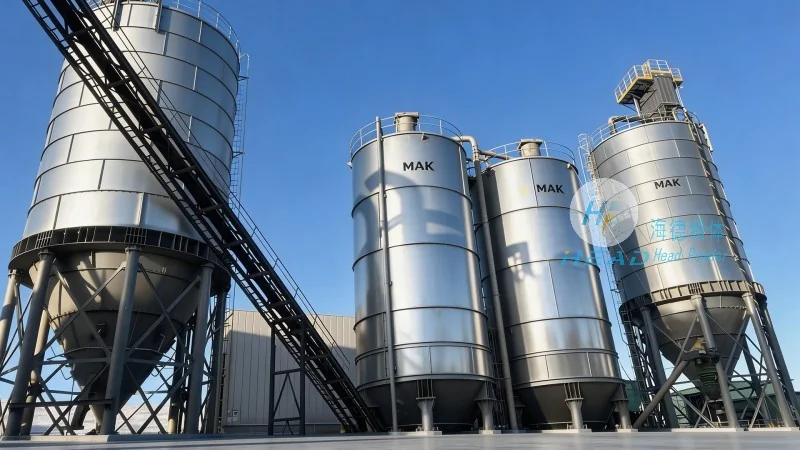
Introduction to Ferrous Sulfate Powder Pneumatic Conveying Machines
A ferrous sulfate powder pneumatic conveying machine is a type of pneumatic conveying system specifically engineered to handle the transport of ferrous sulfate, a common chemical compound used in water treatment, agriculture, and industrial processes. Unlike traditional mechanical conveyors, which rely on physical components like belts or buckets, pneumatic systems utilize air to move the material. This method is particularly advantageous for handling fine powders that are prone to dusting or caking, as it minimizes product degradation and ensures a clean, efficient transfer process.
Key Design Principles of the Pneumatic Conveying System
The design of a ferrous sulfate powder pneumatic conveying machine is built upon several critical principles to ensure optimal performance. The primary principle is the use of air as the conveying medium. The system typically operates by either blowing air (positive pressure) or sucking air (negative pressure) to move the powder through a pipeline. The choice between these methods depends on factors such as the distance to be covered, the volume of material, and the specific characteristics of the ferrous sulfate powder, including its particle size and moisture content.
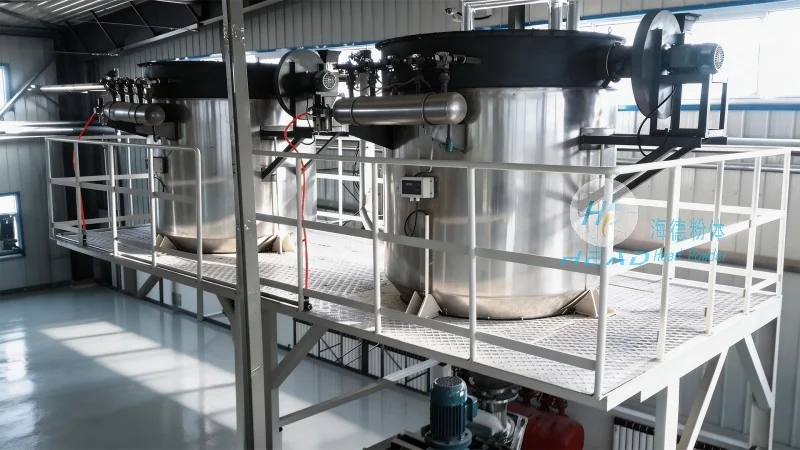
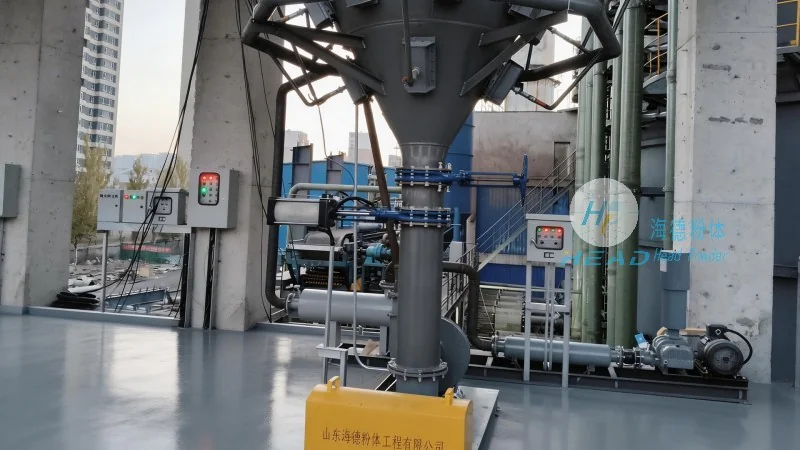
Another key design principle involves the system's components. A typical pneumatic conveying system includes a hopper for material storage, a feeder to control the flow rate, a conveying line (often made of stainless steel to prevent corrosion from the acidic ferrous sulfate), and a receiver to collect the material at the destination. The design must also consider the potential for pressure drops and the need for air filtration to prevent dust accumulation and maintain air quality. Additionally, the system may incorporate features like cyclones or filters to separate the powder from the air stream, ensuring that the material is delivered in a dry, free-flowing state.
The Role of HeadPowder in Manufacturing Such Equipment
HeadPowder, or Shandong HeadPowder Engineering Co., Ltd., is a leading manufacturer specializing in the design and production of pneumatic conveying equipment. Based in Shandong, China, the company has extensive experience in developing customized solutions for various industrial applications. HeadPowder's expertise lies in understanding the unique properties of materials like ferrous sulfate and tailoring the pneumatic conveying system to meet the specific requirements of each client. The company's manufacturing process adheres to high standards of quality control, ensuring that the equipment is durable, efficient, and safe for operation.
HeadPowder's commitment to innovation is evident in their approach to material handling solutions. By leveraging advanced engineering techniques and materials science, the company designs systems that not only meet but often exceed industry standards. Their products are engineered to handle the challenges associated with ferrous sulfate, such as its tendency to form clumps or adhere to surfaces, by incorporating features like agitators or anti-caking agents into the hopper design. This attention to detail ensures that the conveying process remains smooth and uninterrupted, maximizing productivity and minimizing downtime.
Technical Specifications and Operational Advantages
The technical specifications of a ferrous sulfate powder pneumatic conveying machine vary based on the application and the volume of material to be transported. Common specifications include the conveying capacity, which can range from a few kilograms per hour to several tons per hour, depending on the system's size and the pressure used. The system's pressure range typically falls between 0.5 to 10 bar, with higher pressures used for longer distances or larger volumes. The pipeline diameter is another critical specification, often determined by the particle size of the ferrous sulfate and the required flow rate.
Operational advantages of using a pneumatic conveying system for ferrous sulfate include improved safety, as the material is contained within a sealed pipeline, reducing the risk of dust exposure and environmental contamination. Additionally, the system offers greater flexibility in terms of layout, as the pipeline can be routed around obstacles, and it can handle vertical as well as horizontal transport. The absence of moving parts in contact with the powder also reduces wear and tear, leading to lower maintenance costs over the equipment's lifespan. Furthermore, the system's ability to handle fine powders without degradation makes it ideal for applications where product quality is paramount, such as in pharmaceutical or food processing industries (even though ferrous sulfate is not typically used in these sectors, the principle applies to similar materials).
Conclusion and Application Insights
In conclusion, a ferrous sulfate powder pneumatic conveying machine is a sophisticated industrial solution that leverages air pressure to efficiently transport fine powders. Its design is built on principles of material science, engineering, and operational efficiency, ensuring that the process is both effective and safe. Companies like HeadPowder play a crucial role in providing tailored solutions that meet the specific needs of industries dealing with ferrous sulfate and other similar materials. By understanding the design principles and technical aspects of such equipment, businesses can optimize their material handling processes, improve productivity, and maintain high standards of product quality.