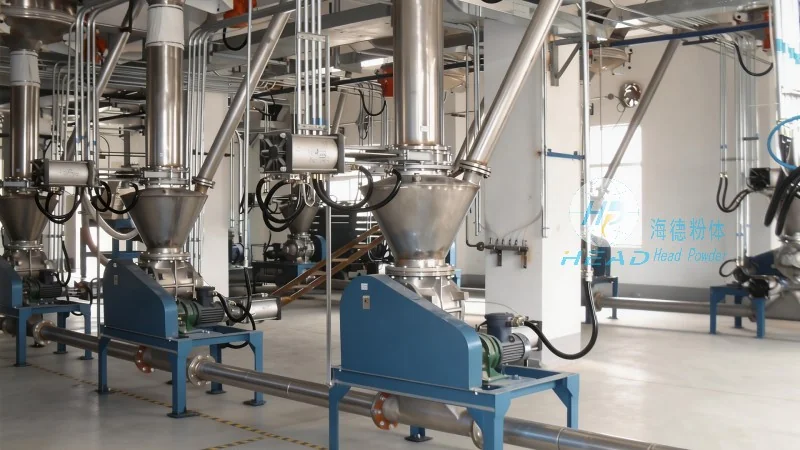
HeadPowder, a leading provider in the field of industrial material handling solutions, specializes in the design, manufacturing, and installation of advanced dust-free pneumatic conveying systems. Based in Shandong, China, the company leverages decades of expertise to deliver efficient and reliable systems for various industries, including pharmaceuticals, food processing, and chemical manufacturing. This article delves into the operation process and working principle of their dust-free material feeding pneumatic conveying systems, highlighting key components, operational steps, and the benefits of such technology.
Company Overview
HeadPowder, or Shandong HeadPowder Engineering Co., Ltd., is a reputable enterprise dedicated to advancing material handling technologies. With a focus on innovation and customer satisfaction, the company has established itself as a trusted partner for businesses seeking to optimize their material handling processes. Headquartered in Shandong, China, HeadPowder combines engineering excellence with practical application to meet the diverse needs of its clients across different sectors.
Understanding Pneumatic Conveying Systems
Pneumatic conveying systems are mechanical systems that use air or other gases to transport bulk materials from one location to another. Unlike traditional methods such as belt conveyors or bucket elevators, pneumatic systems offer advantages like dust containment, flexibility in layout, and the ability to handle a wide range of materials, including powders, granules, and fine particles. The "dust-free" aspect of these systems is particularly critical in industries where material purity and environmental compliance are paramount, such as pharmaceuticals and food processing.
Key Components of a Dust-Free Pneumatic Conveying System
A typical dust-free pneumatic conveying system consists of several essential components that work in tandem to ensure efficient and clean material transport. These components include:
1. Feeder: The feeder is responsible for feeding the material into the system at a controlled rate. In dust-free systems, this is often a rotary valve or a loss-in-weight feeder, which ensures a consistent flow of material without generating excessive dust.
2. Pneumatic Conveying Line: This is the main pipeline through which the material is transported. The line is typically made of stainless steel or other corrosion-resistant materials to maintain material purity and prevent contamination. The design of the line, including bends and straight sections, is optimized to minimize pressure loss and ensure smooth material flow.
3. Air Supply System: Compressors and air treatment equipment provide the necessary air pressure and quality. Air filters and dryers are used to remove moisture and contaminants from the air, ensuring that the conveyed material remains dry and free from impurities.
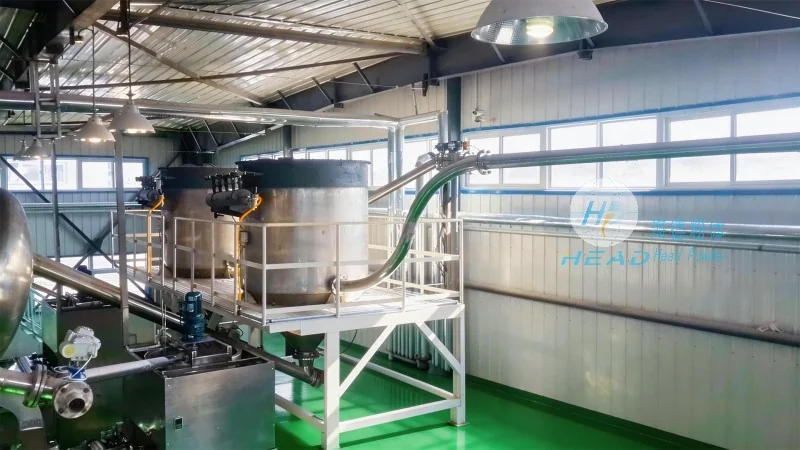
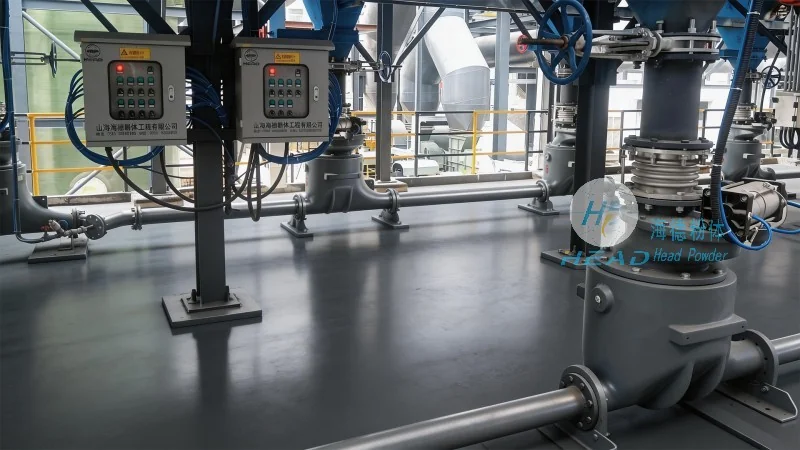
4. Control System: Modern systems are equipped with advanced control panels that monitor and regulate the flow of material and air. These systems can be programmed to adjust parameters such as pressure, flow rate, and speed based on real-time conditions, enhancing operational efficiency and reducing downtime.
The Operation Process of a Dust-Free Pneumatic Conveying System
The operation of a dust-free pneumatic conveying system involves a series of coordinated steps to ensure the smooth and efficient transport of materials. The process typically begins with the material being fed into the system at the source location. The feeder then delivers the material into the conveying line, where it is mixed with the compressed air supplied by the air system.
As the air and material mixture travels through the pipeline, the air pressure propels the material forward. The design of the pipeline, including the use of special fittings and bends, is crucial to maintain the flow and prevent material deposition or blockages. The system is equipped with pressure sensors and flow meters to monitor the process and ensure optimal performance.
At the destination point, the material is separated from the air using a separator or cyclone. The air is then filtered and discharged, while the material is collected in a storage bin or processing unit. The control system continuously adjusts the operation to maintain the desired flow rate and pressure, ensuring that the system operates efficiently and reliably.
Working Principle of the System
The working principle of a dust-free pneumatic conveying system is based on the fundamental concept of fluidization and pneumatic transport. When compressed air is introduced into the conveying line, it creates a low-density mixture of air and material particles. This mixture behaves like a fluid, allowing the material to be transported through the pipeline with minimal friction and resistance.
The key to the system's efficiency lies in the balance between air pressure and material flow. The air pressure must be sufficient to overcome the resistance of the pipeline and the weight of the material, while not being excessive, which could lead to material degradation or system wear. The control system plays a critical role in maintaining this balance by adjusting the air flow and pressure in real time.
Another important aspect of the working principle is the prevention of dust generation. Dust-free systems use sealed feeders and pipelines, along with air filtration and containment measures, to ensure that the material remains contained and does not escape into the environment. This is particularly important in industries where material purity and environmental regulations are strict.
Benefits of Dust-Free Pneumatic Conveying Systems
The adoption of dust-free pneumatic conveying systems offers numerous benefits to businesses across various industries. These benefits include:
1. Enhanced Material Purity: By containing the material within the system, dust-free systems prevent contamination from external sources, ensuring that the material remains clean and free from impurities. This is critical in industries such as pharmaceuticals and food processing, where product quality is non-negotiable.
2. Improved Safety: The sealed design of the system reduces the risk of dust explosions and inhalation hazards, creating a safer working environment for employees. This is a significant advantage in industries where dust is a known hazard.
3. Increased Efficiency: Pneumatic systems offer faster and more flexible material transport compared to traditional methods. The ability to change the layout of the system without major modifications allows for greater operational flexibility and reduced downtime.
4. Reduced Maintenance: The use of corrosion-resistant materials and advanced control systems minimizes the need for frequent maintenance, leading to lower operational costs and increased system reliability.
Conclusion
HeadPowder's dust-free pneumatic conveying systems represent a cutting-edge solution for material handling in industries where purity, safety, and efficiency are paramount. By understanding the operation process and working principle of these systems, businesses can make informed decisions about implementing such technology to optimize their operations. With its headquarters in Shandong, China, HeadPowder continues to lead the way in providing innovative and reliable material handling solutions to meet the evolving needs of its clients.




