

What is Polycarbonate Powder Pneumatic Conveying? What Are the Design Principles?
Polycarbonate powder pneumatic conveying is a specialized method used in material handling and processing industries to transport polycarbonate powder through a pipeline using air or other gas as the conveying medium. This technology offers an efficient and flexible solution for moving polycarbonate powder from one location to another, often replacing traditional mechanical conveying systems like screw conveyors or belt conveyors. The process involves creating a flow of air within a pipeline, which draws the polycarbonate powder particles into the stream and transports them to the destination. Understanding the fundamentals of this process and the underlying design principles is crucial for optimizing performance, ensuring safety, and maintaining product quality.
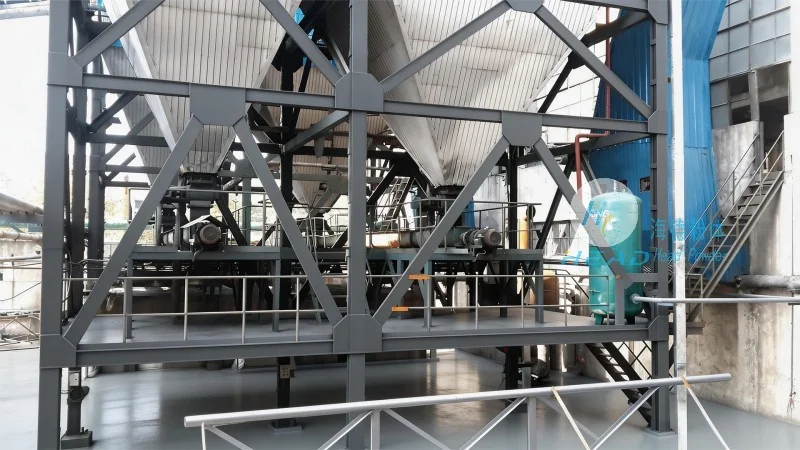
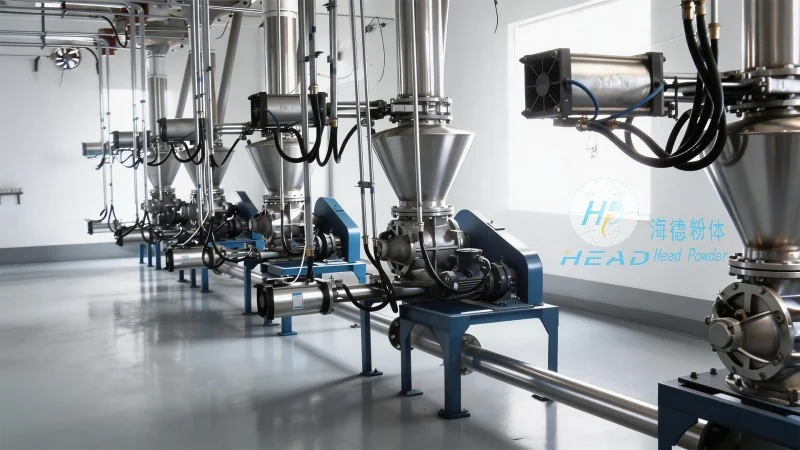
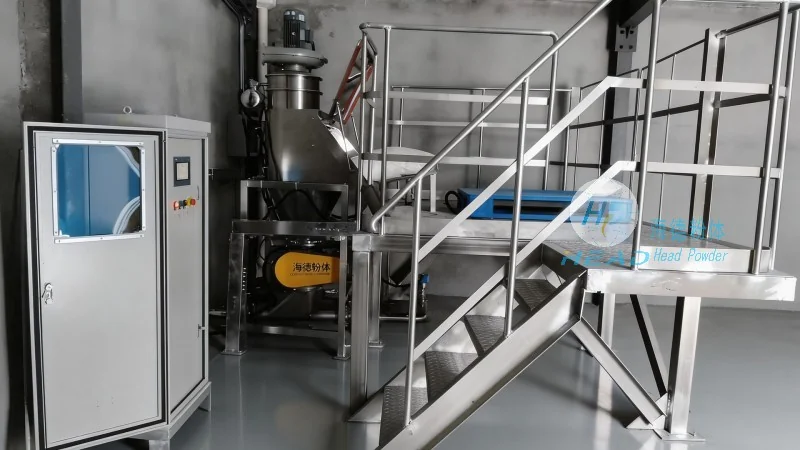
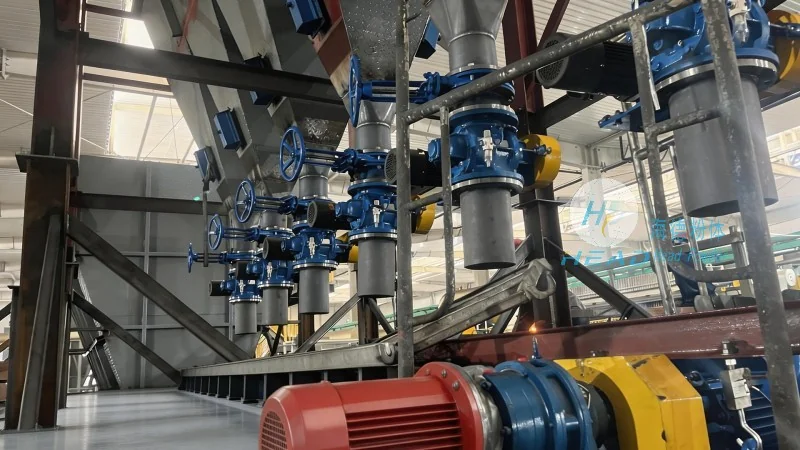
Key Components of Pneumatic Conveying Systems
A typical polycarbonate powder pneumatic conveying system consists of several key components that work together to achieve efficient material transport. The primary components include a material feed hopper, a conveyor line (pipeline), a blower or air compressor to generate the conveying air, a control system to regulate air pressure and flow, and a discharge device at the receiving end. The material feed hopper is designed to hold the polycarbonate powder and provide a controlled feed rate into the system. The pipeline, usually made of materials like stainless steel or plastic, is the conduit through which the powder and air travel. The blower or air compressor provides the necessary pressure and volume of air to create the conveying stream. The control system ensures that the air flow and pressure are maintained at optimal levels, preventing issues like blockages or uneven flow. The discharge device, such as a rotary valve or a venturi, regulates the release of the polycarbonate powder at the destination. Each component plays a critical role in the overall performance of the system, and proper selection and integration are essential for reliable operation.
Design Principles for Polycarbonate Powder Pneumatic Conveying
The design of a polycarbonate powder pneumatic conveying system involves several key principles that ensure efficient and safe operation. One of the primary design considerations is the particle size and density of the polycarbonate powder. Polycarbonate is a thermoplastic polymer with a relatively high density and can be processed in various particle sizes, from fine powders to larger granules. The particle size affects the air velocity required for conveying, as smaller particles require higher air velocities to overcome drag and maintain suspension. The system design must account for the specific properties of polycarbonate powder, such as its flowability and tendency to agglomerate, to prevent blockages and ensure smooth transport. Another critical design principle is the air velocity and pressure. The air velocity must be sufficient to keep the polycarbonate powder particles suspended in the air stream, typically ranging from 20 to 30 meters per second for fine powders. The pressure generated by the blower or air compressor must be adequate to overcome the resistance in the pipeline and the weight of the powder column. The design also considers the pipeline diameter and length, as these factors impact the pressure drop and energy consumption. Proper sizing of the pipeline and the blower capacity is essential to minimize energy costs and ensure consistent conveying rates. Additionally, the system design incorporates safety features, such as explosion-proof blower motors and pressure relief valves, to protect against potential hazards associated with powder handling. The control system is designed to monitor and regulate the air flow, pressure, and temperature, ensuring that the system operates within safe and optimal parameters. The design process also involves simulations and testing to validate the system's performance and identify potential issues before installation. By adhering to these design principles, manufacturers can develop efficient and reliable polycarbonate powder pneumatic conveying systems that meet the specific requirements of their applications.