When it comes to transporting potassium chloride (KCl), selecting the right method is crucial for ensuring efficiency, safety, and cost-effectiveness. Two primary approaches are commonly considered: positive pressure transport and negative pressure transport. Understanding the differences between these methods and how to choose the appropriate one is essential for optimizing the handling of this important chemical. This article will explore the key aspects of each transport method, the factors influencing the selection, and provide guidance on how to make an informed decision.
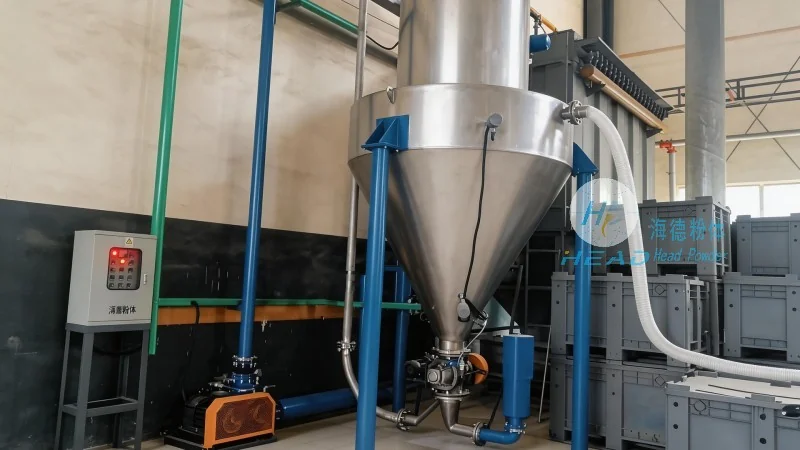
Potassium chloride is widely used in various industries, including agriculture, food processing, and chemical manufacturing. Its transport requires careful consideration due to its properties and the need to maintain product integrity. Both positive and negative pressure systems have their advantages and limitations, and the choice depends on several factors such as the distance of transport, the volume of material, the required flow rate, and the environmental conditions. By evaluating these factors, you can determine which transport method best suits your specific needs.
Positive Pressure Transport: Advantages and Applications
Positive pressure transport involves using a pump or compressor to force the potassium chloride through the pipeline. This method is often preferred for long-distance or high-volume transport as it can maintain a consistent flow rate and pressure. The main advantages of positive pressure systems include:
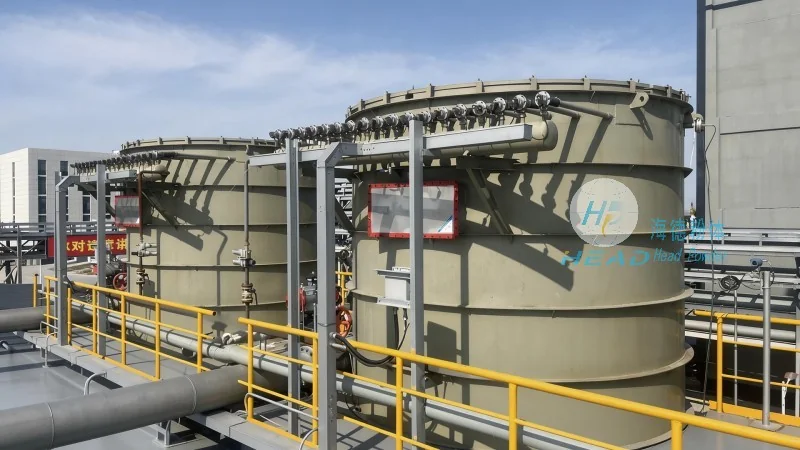
- Consistent flow rate and pressure control, ensuring reliable delivery.
- Ability to handle abrasive or viscous materials without clogging the system.
- Reduced risk of air entrapment, which can affect the quality of the transported material.
- Flexibility in pipeline design, allowing for complex layouts and multiple destinations.
Positive pressure transport is particularly suitable for applications where the distance between the source and destination is significant, or where the material needs to be transported at a high flow rate. For example, in large-scale agricultural operations where potassium chloride is used as a fertilizer, positive pressure systems are commonly employed to distribute the material efficiently across vast areas.
Negative Pressure Transport: Advantages and Applications
Negative pressure transport, also known as vacuum transport, uses a vacuum pump to create a pressure differential that draws the potassium chloride into the pipeline. This method is often used for shorter distances or when the material needs to be transported from a lower elevation to a higher one. The key advantages of negative pressure systems include:
- Reduced energy consumption compared to positive pressure systems, as no external power is required to push the material.
- Lower initial investment costs, as vacuum pumps are generally less expensive than high-pressure pumps.
- Ability to handle materials that are sensitive to high pressure or temperature, as the system operates at lower pressures.
- Suitable for applications where the material is to be collected from multiple sources and transported to a central location.
However, negative pressure transport has its limitations. It is generally less efficient for long-distance transport and may not be suitable for materials that are prone to clogging or require high flow rates. The system also needs to be carefully designed to prevent air ingress, which can affect the material's quality and cause operational issues.
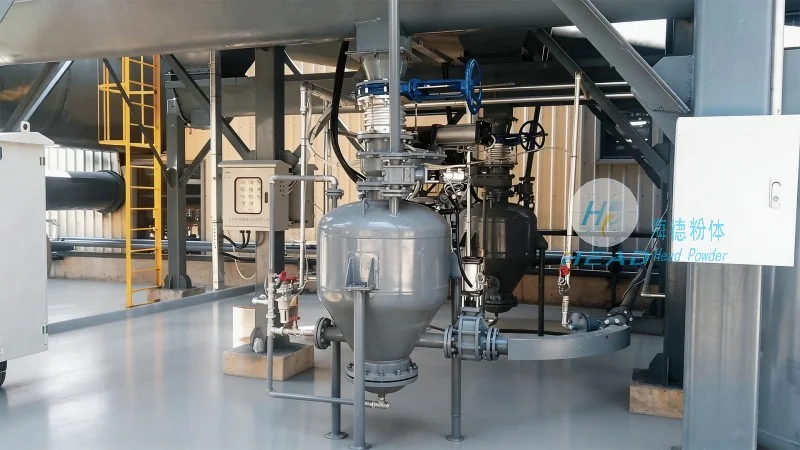
Factors to Consider When Choosing Between Positive and Negative Pressure Transport
When deciding between positive and negative pressure transport for potassium chloride, several factors should be taken into account. These include:
- Distance and elevation changes: For long distances or significant elevation changes, positive pressure transport is often more effective. For shorter distances or when moving material from a higher to a lower elevation, negative pressure transport may be more suitable.
- Volume and flow rate requirements: High-volume and high-flow rate applications typically benefit from positive pressure systems, as they can maintain the required flow rates without pressure loss. For lower volume or slower flow needs, negative pressure systems can be adequate.
- Material properties: The physical and chemical properties of the potassium chloride, such as its particle size, moisture content, and abrasiveness, will influence the choice. Abrasive materials may require positive pressure systems with robust components to prevent wear and tear.
- Energy and cost considerations: Positive pressure systems generally require more energy to operate, which can increase operational costs. Negative pressure systems, while less expensive to install, may have higher maintenance costs due to the need for regular pump maintenance.
- Environmental and safety regulations: Compliance with local regulations regarding emissions, noise, and safety may also impact the choice. Positive pressure systems may need additional filtration or emission control measures, while negative pressure systems may require careful handling of vacuum leaks.
By carefully evaluating these factors, you can determine which transport method will provide the best balance of efficiency, cost, and safety for your potassium chloride transport needs.
Conclusion
Choosing between positive pressure and negative pressure transport for potassium chloride requires a thorough understanding of the specific requirements of your operation. Both methods have their strengths and are suitable for different scenarios. Positive pressure transport is ideal for long-distance, high-volume applications, while negative pressure transport is better suited for shorter distances or when energy efficiency and lower initial costs are priorities.
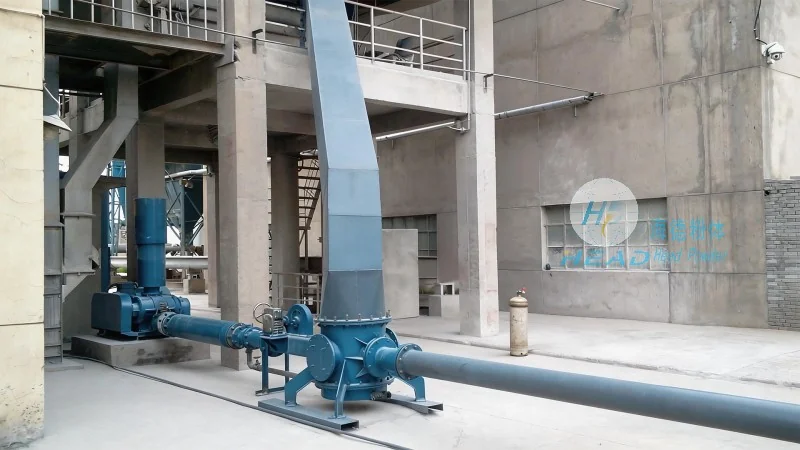
Ultimately, the decision should be based on a comprehensive analysis of the factors mentioned above, including the distance, volume, material properties, and cost considerations. By selecting the appropriate transport method, you can ensure the reliable and efficient handling of potassium chloride, which is essential for maintaining product quality and operational success.
Shandong HeadPowder Engineering Co., Ltd. specializes in providing advanced transport solutions for various chemical and industrial applications. With years of experience in the field, our company offers customized systems tailored to meet the unique needs of our clients. Whether you require a positive pressure or negative pressure transport system for potassium chloride, we can provide the expertise and equipment to ensure optimal performance and reliability.




