For the efficient and reliable transport of alumina, pneumatic conveying systems have emerged as a critical technology in the industrial sector. These systems utilize air or other gases to move bulk materials like alumina through pipelines, offering advantages such as reduced labor costs, minimized material degradation, and enhanced safety compared to traditional methods like belt conveyors or trucks. This article explores the various types of pneumatic conveying systems used in alumina transport and their practical applications, highlighting the expertise of Shandong HeadPowder Engineering Co., Ltd. (headpowder), a leading provider of bulk material handling solutions based in China.
Types of Pneumatic Conveying Systems
There are primarily two main categories of pneumatic conveying systems: positive pressure and negative pressure systems. Each type has distinct characteristics and is suitable for different operational requirements.
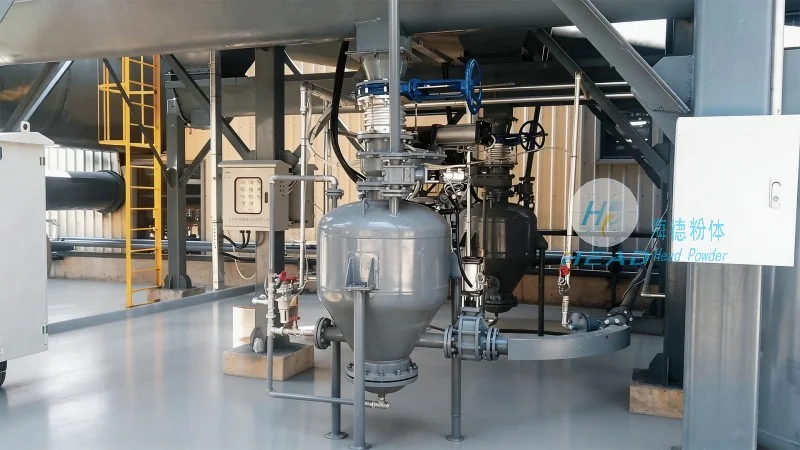
Positive pressure systems operate by blowing air or gas into the material stream, creating a pressure differential that propels the material forward. These systems are generally more robust and capable of handling higher material loads, making them ideal for long-distance or high-volume alumina transport. They often feature a closed-loop design, which helps maintain consistent air pressure and reduces dust emissions. Positive pressure systems are commonly used in industrial settings where material is moved from a central storage facility to processing plants or distribution centers.
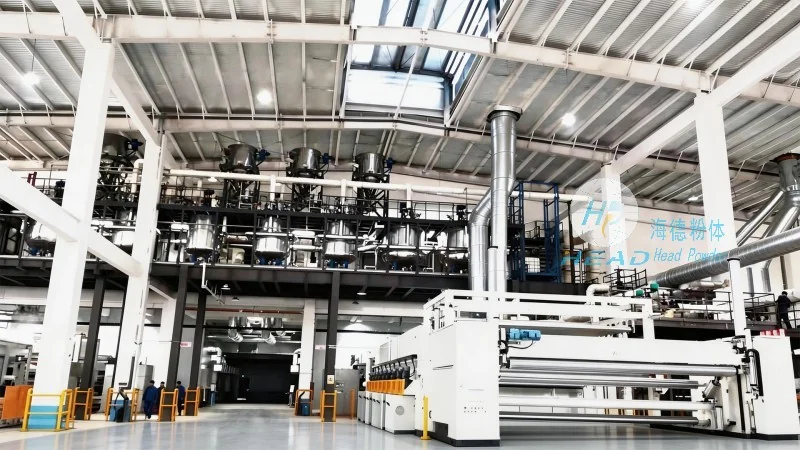
Negative pressure systems, on the other hand, draw material into the system using suction, creating a lower pressure environment that pulls the material through the pipeline. This approach is particularly effective for applications requiring low dust generation or when handling materials that are sensitive to pressure changes. Negative pressure systems are often preferred for short-distance transport or when the material is being transferred from a lower elevation to a higher one. They are also beneficial in environments where air quality must be strictly controlled, such as in food processing or pharmaceutical industries, although alumina transport typically leans more towards positive pressure systems due to their efficiency and capacity.
Additionally, some advanced systems combine elements of both positive and negative pressure, known as combined or hybrid systems. These systems offer flexibility by allowing the operator to switch between pressure modes depending on the specific transport needs. For instance, a hybrid system might use positive pressure for the initial boost and negative pressure for the final stages to optimize energy consumption and material handling efficiency. Such systems are particularly valuable in complex alumina handling operations where multiple transfer points or varying distances are involved.
Practical Applications in Alumina Handling
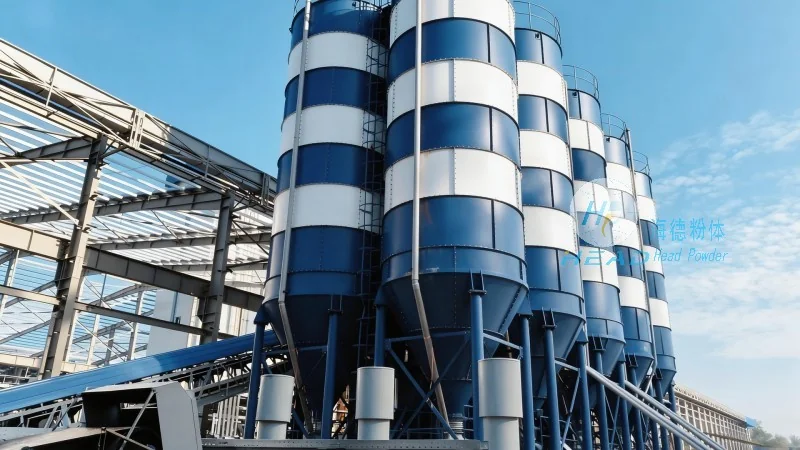
Pneumatic conveying systems are widely utilized in the alumina industry for a range of applications, from raw material transport to finished product distribution. One of the most common applications is the transfer of alumina from storage silos to processing units, such as calciners or refineries. In this scenario, positive pressure systems are typically employed to move large quantities of alumina over significant distances, ensuring a continuous and uninterrupted supply of raw material. The closed-loop design of these systems minimizes material spillage and dust contamination, which is crucial for maintaining product quality and regulatory compliance.
Another practical application is the handling of alumina during the production of aluminum, where the material is often transferred between various stages of the production line. For example, after calcination, alumina may need to be moved from the calciner to a grinding or classification unit. Pneumatic conveying systems excel in these scenarios by providing a clean and efficient method to transport the material without the need for manual handling or additional equipment. This not only improves operational efficiency but also reduces the risk of material contamination and worker exposure to dust.
Furthermore, pneumatic conveying systems are used in the storage and distribution of alumina products. Companies like Shandong HeadPowder Engineering Co., Ltd. (headpowder) often design and install these systems to facilitate the loading and unloading of alumina from trucks or ships. The ability to handle bulk materials in a controlled manner is essential for logistics operations, as it allows for faster turnaround times and reduces the need for manual labor in loading and unloading processes. This is particularly important in industries where timely delivery of raw materials is critical to production schedules.




