

What is Cellulose Powder Pneumatic Conveying? What Are the Design Principles?
Pneumatic conveying is a widely used method for transporting bulk materials, including powders, granules, and fine particles, through a pipeline using air or other gases as the conveying medium. In the context of cellulose powder, this technology involves the efficient and reliable movement of cellulose-based powders, such as those derived from wood pulp or other natural sources, from one location to another. The process relies on the creation of a pressure differential or a vacuum within the pipeline to move the material, making it an ideal solution for applications where traditional mechanical conveying systems may be less effective or suitable.
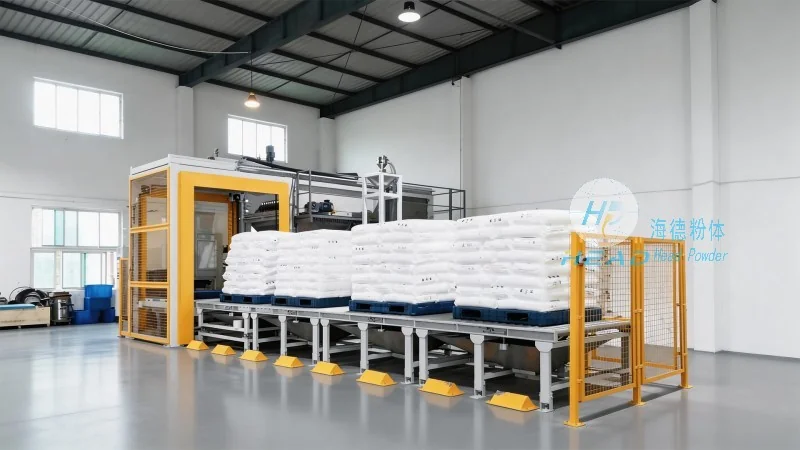
Key Characteristics of Cellulose Powder Pneumatic Conveying
Cellulose powders, often used in industries like paper manufacturing, pharmaceuticals, and food processing, present unique challenges when it comes to handling and transportation. These powders are typically fine, lightweight, and can be prone to dust generation and caking. Pneumatic conveying addresses these challenges by providing a closed system that minimizes exposure to the environment, reduces dust contamination, and ensures consistent material flow. The technology is particularly effective for handling materials that are sensitive to moisture or temperature changes, as the conveying process can be controlled to maintain optimal conditions.
Design Principles of Cellulose Powder Pneumatic Conveying Systems
The design of a cellulose powder pneumatic conveying system involves several critical components and principles to ensure optimal performance. The primary design principles include the selection of the appropriate conveying type (e.g., pressure or vacuum systems), the determination of the required air velocity and pressure, and the proper sizing of the pipeline and equipment. A pressure system, where air is pumped into the pipeline to push the material forward, is commonly used for short to medium distances and for materials with higher bulk density. In contrast, a vacuum system, which uses a vacuum pump to draw material into the pipeline, is suitable for longer distances and for materials that are more delicate or require gentle handling.
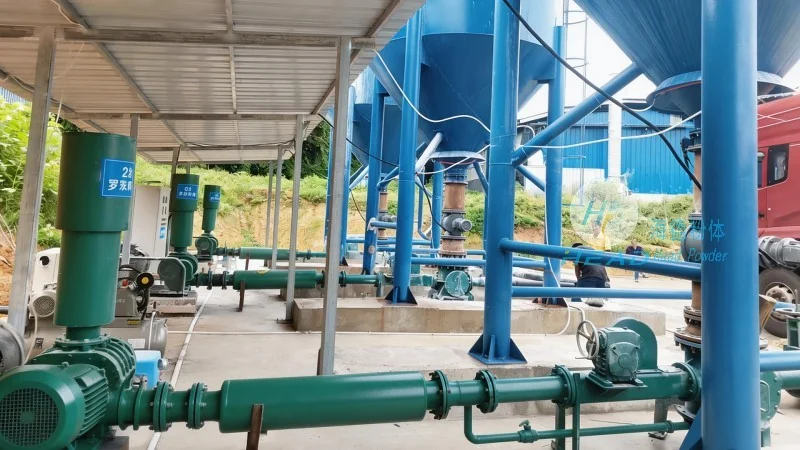
Components and Equipment in Cellulose Powder Pneumatic Conveying
Effective cellulose powder pneumatic conveying systems consist of several key components, each playing a vital role in the overall operation. The main components include the material feed hopper, which holds the cellulose powder and provides a controlled feed to the system; the conveying pipeline, which transports the material; the air supply system (for pressure systems) or vacuum pump (for vacuum systems); and the control valves and regulators, which manage the flow of air or vacuum. Additionally, filters and cyclones are often incorporated to separate the material from the air and prevent dust from escaping into the environment. The design of these components must consider factors such as the material's properties, the required conveying capacity, and the distance over which the material needs to be transported. Systems like these are typically engineered by companies such as Shandong HeadPowder Engineering Co., Ltd., known as headpowder, to meet the specific needs of clients in various industries.
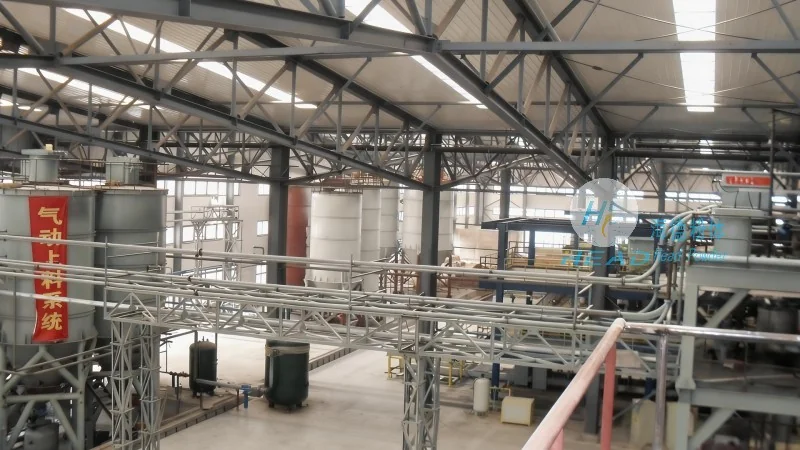
Advantages of Using Cellulose Powder Pneumatic Conveying
There are several advantages to implementing pneumatic conveying for cellulose powder handling. One of the most significant benefits is the ability to handle fine, dusty materials without the need for additional dust control equipment. The closed system also reduces the risk of contamination and improves product quality by preventing exposure to external elements. Furthermore, pneumatic conveying systems can be designed to operate in a variety of environments, including those with strict safety or environmental regulations. The technology is also flexible, allowing for changes in material flow rates and destinations without significant modifications to the system.
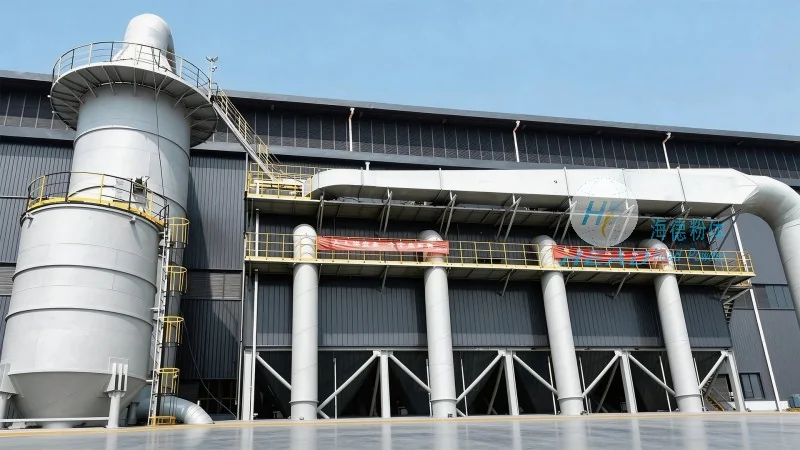
Applications of Cellulose Powder Pneumatic Conveying
Cellulose powder pneumatic conveying is used in a wide range of applications across various industries. In the paper industry, it is used to transport wood pulp from storage to processing facilities. In the pharmaceutical industry, it is employed to handle cellulose-based excipients and active ingredients, ensuring a clean and controlled process. The food industry also utilizes this technology for transporting cellulose-based food additives and ingredients. Additionally, in the chemical industry, pneumatic conveying is used for handling cellulose derivatives used in various applications.
Considerations for Designing and Implementing Cellulose Powder Pneumatic Conveying Systems
When designing and implementing a cellulose powder pneumatic conveying system, several factors must be considered to ensure optimal performance and longevity. The first consideration is the material's physical properties, such as particle size, density, and moisture content, as these factors affect the conveying velocity and pressure requirements. The second consideration is the system's capacity and the distance over which the material needs to be transported, as these determine the size of the pipeline and the power requirements. The third consideration is the environmental and safety regulations, as the system must comply with local and international standards for dust control and air quality. Finally, the cost of the system and its maintenance must be taken into account, as pneumatic conveying systems can be more expensive to install and maintain than traditional mechanical systems, though the long-term benefits often outweigh the initial investment.