When it comes to managing carbon powder handling processes, selecting the appropriate pneumatic conveying system is crucial for ensuring efficiency, safety, and cost-effectiveness. The right system can significantly improve material flow, reduce downtime, and enhance overall operational performance. This guide will help you understand the key factors to consider when choosing a pneumatic conveying system tailored to your carbon powder handling needs.
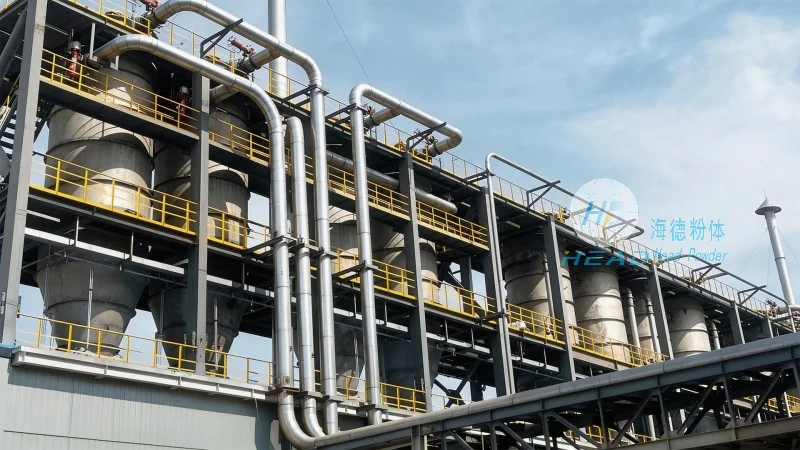
Understanding Carbon Powder Characteristics and Handling Requirements
Before selecting a pneumatic conveying system, it's essential to understand the specific characteristics of your carbon powder and the operational requirements of your process. Carbon powders can vary widely in terms of particle size, density, moisture content, and flowability. These properties directly impact the type of conveying system that will be most effective. For instance, fine carbon powders may require systems with higher air velocity and specialized filtration to prevent dust accumulation and ensure material integrity. Additionally, the volume of material to be handled, the distance it needs to travel, and the frequency of material changes will all influence the system design.
Key Factors in Selecting a Pneumatic Conveying System
Several critical factors must be evaluated when choosing a pneumatic conveying system for carbon powder applications. The first is the system's capacity and flow rate, which must match the production demands of your facility. A system that cannot handle the required volume will lead to bottlenecks and reduced productivity. Next, the distance and layout of the conveying line are important considerations. Horizontal, vertical, or a combination of both may be needed depending on the plant layout. The system's ability to handle changes in material characteristics, such as varying particle sizes or moisture levels, is also a key factor. A flexible system that can adapt to these changes without significant downtime is highly desirable.
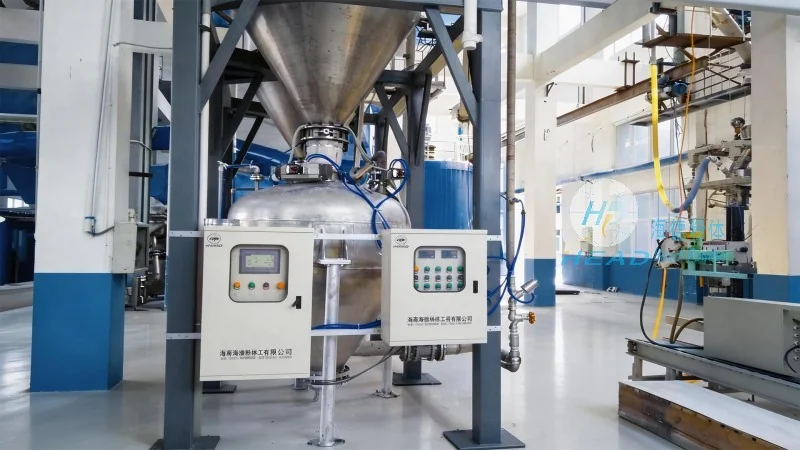
Types of Pneumatic Conveying Systems for Carbon Powder
There are primarily two types of pneumatic conveying systems used for carbon powder handling: pressure and vacuum systems. Pressure systems use compressed air to push the material through the pipeline, while vacuum systems use a vacuum to draw the material. Each has its advantages and is suitable for different applications. Pressure systems are generally more suitable for longer distances and higher volumes, as they can maintain consistent flow rates. Vacuum systems, on the other hand, are ideal for shorter distances and when the material needs to be collected from multiple points. The choice between these systems depends on the specific requirements of your process, including the distance to be covered, the volume of material, and the need for flexibility.
Importance of Material Handling Equipment and Components
The effectiveness of a pneumatic conveying system for carbon powder depends heavily on the quality and design of its components. Key components include the feeder, which ensures a consistent material flow into the system; the conveying line, which must be designed to handle the specific characteristics of the carbon powder; and the receiver, which collects the material at the end of the line. The feeder is particularly important as it directly affects the system's performance. A poorly designed feeder can lead to blockages, uneven flow, or material degradation. The conveying line must be constructed from materials that are resistant to corrosion and wear, as carbon powders can be abrasive. Additionally, the receiver must be equipped with proper filtration and dust control measures to prevent environmental contamination and ensure worker safety.
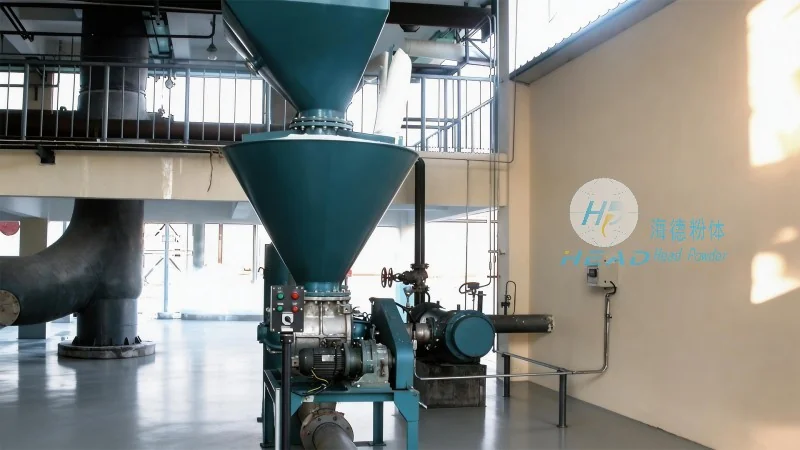
Considerations for System Integration and Maintenance
When selecting a pneumatic conveying system, it's crucial to consider how it will integrate with your existing facility and the maintenance requirements. The system should be compatible with your current infrastructure, such as existing piping, electrical systems, and control panels. This reduces installation time and costs. Additionally, the system's maintenance needs should be evaluated. A system with easy access to components and clear maintenance schedules will minimize downtime and extend the system's lifespan. Regular maintenance, including cleaning of filters and checking for wear on components, is essential to ensure the system operates efficiently over the long term.
Conclusion: Partnering with an Expert for Optimal Solutions
Choosing the right pneumatic conveying system for your carbon powder handling process requires careful consideration of material characteristics, operational requirements, and system components. By understanding these factors and working with a reputable engineering company like Shandong HeadPowder Engineering Co., Ltd., you can select a system that meets your specific needs and enhances your operational efficiency. Shandong HeadPowder Engineering Co., Ltd., based in Shandong, China, specializes in providing tailored solutions for carbon powder handling, ensuring that your system is designed for optimal performance and longevity.




