What is a Phosphorus Pentachloride Powder Conveying System? What Are Its Design Principles?
Release time:2026-09-14 15:00:38
name of the company:Shandong Headpowder Engineering Co., Ltd.
telephone:156-6277-7102
contacts:Zhang manager
Phosphorus pentachloride (PCl₅) is a highly reactive and corrosive chemical compound widely used in the production of various industrial chemicals, including pesticides, pharmaceuticals, and specialty chemicals. The safe and efficient handling of PCl₅ powder is critical due to its hazardous nature and the need for precise control during processing. A specialized powder conveying system is essential to manage the material's flow, minimize exposure risks, and ensure compliance with safety regulations. This article explores the concept of a phosphorus pentachloride powder conveying system, detailing its design principles and the engineering considerations that underpin its functionality. The system is designed and manufactured by Shandong HeadPowder Engineering Co., Ltd., a leading provider of specialized powder handling solutions based in Shandong, China.
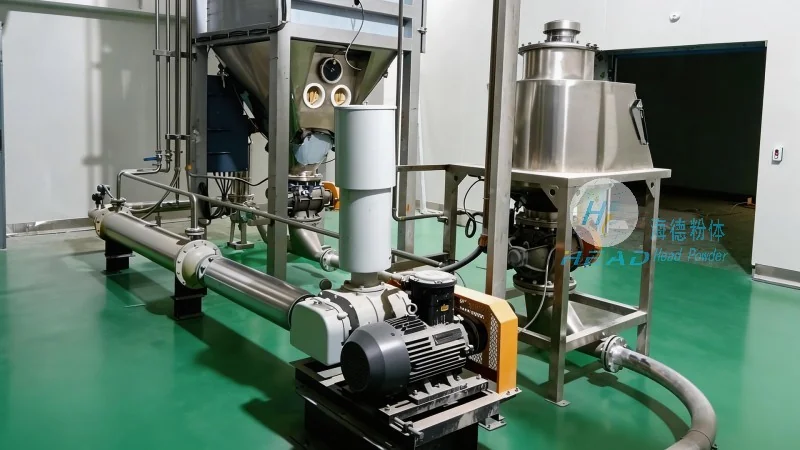
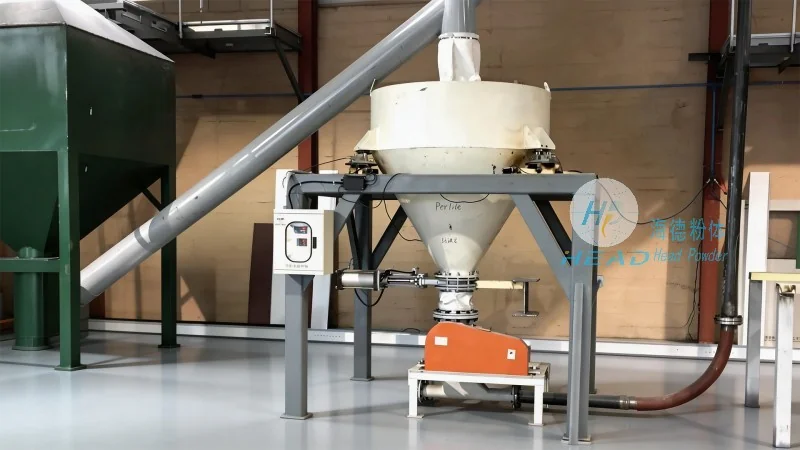
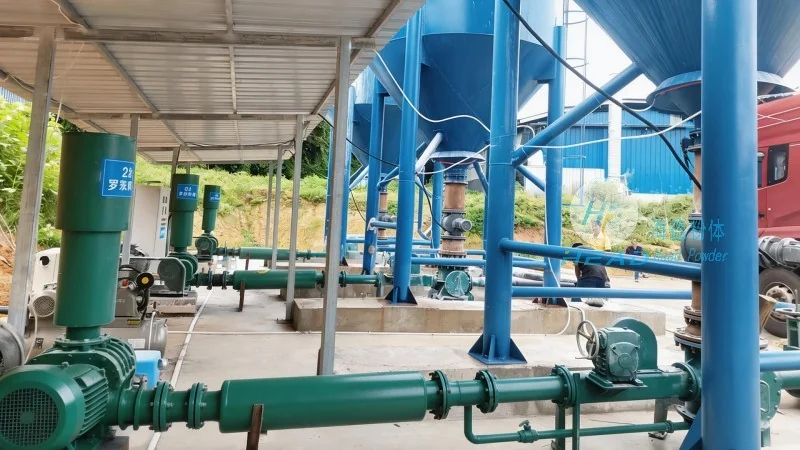
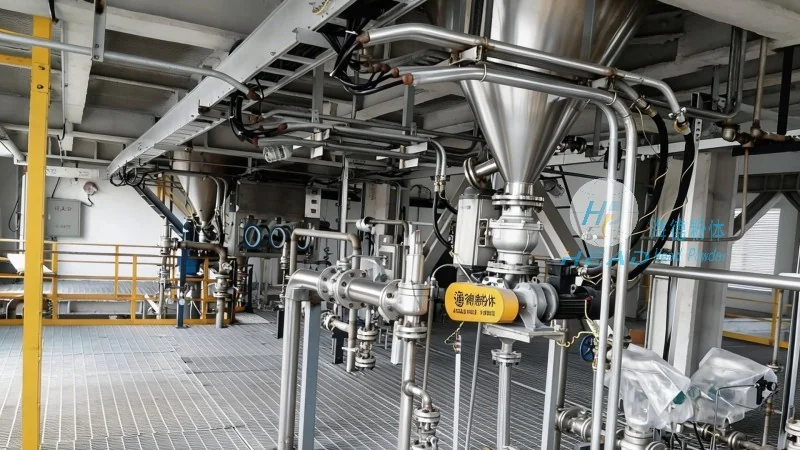
Understanding the Phosphorus Pentachloride Powder Conveying System
A phosphorus pentachloride powder conveying system is a engineered setup designed to transport PCl₅ powder from storage or processing units to reactors or other equipment. The system typically integrates components such as hoppers, feeders, conveying lines, and control mechanisms to achieve a continuous, controlled flow of the material. The primary goal is to maintain the integrity of the powder while minimizing dust generation, ensuring that the material remains in a dry, free-flowing state throughout the conveying process. This is particularly important for PCl₅, as it can be hygroscopic and reactive with moisture, leading to hazardous conditions if not handled properly.
Key Design Principles for the System
The design of a phosphorus pentachloride powder conveying system adheres to several critical principles to ensure safety, efficiency, and reliability. First, the system must be constructed from materials that are chemically resistant to PCl₅ and its byproducts. Common choices include corrosion-resistant alloys like stainless steel, Hastelloy, or specialized plastics that can withstand the compound's aggressive nature. This prevents material degradation and ensures the system's longevity. Second, the system incorporates dust control measures to mitigate the risk of inhalation and environmental contamination. Features such as enclosed conveying lines, dust collection systems, and sealed hoppers are standard to contain PCl₅ particles and prevent dispersion into the air. Third, the design prioritizes minimal pressure drop and energy efficiency. The conveying method—whether pneumatic (air-assisted) or mechanical (screw or belt conveyors)—is selected based on the material's properties and the required flow rate. For PCl₅, pneumatic conveying is often preferred due to its ability to handle fine powders and maintain a dry environment, reducing the risk of moisture absorption.




