For industries operating within the petrochemical sector, the efficient and safe handling of bulk powders is a critical operational requirement. Petrochemical powder handling equipment, also known as powder conveying systems, plays a pivotal role in ensuring that raw materials and finished products are transported reliably and without contamination. These systems are engineered to address the unique challenges posed by petrochemical powders, which often exhibit properties such as high abrasiveness, potential for static buildup, and varying particle sizes. Understanding the design principles and functionality of these equipment is essential for optimizing industrial processes and maintaining compliance with safety regulations. The proper selection and implementation of powder handling equipment can significantly impact production efficiency, product quality, and workplace safety, making it a key investment for petrochemical manufacturers.
Key Components and Functions of Petrochemical Powder Conveying Systems
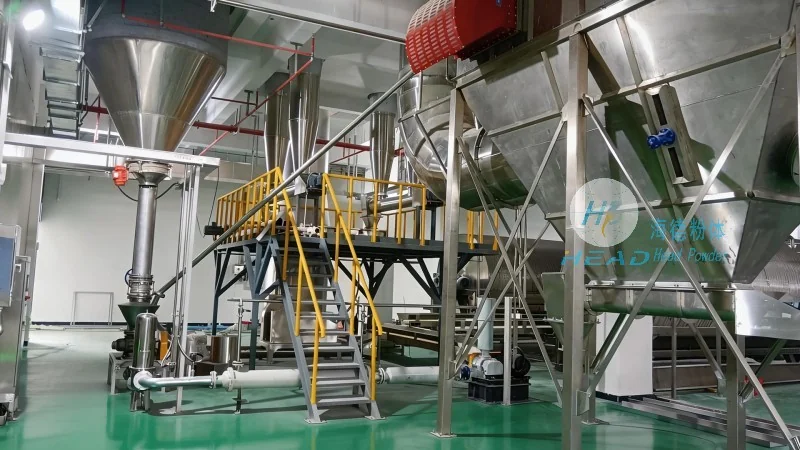
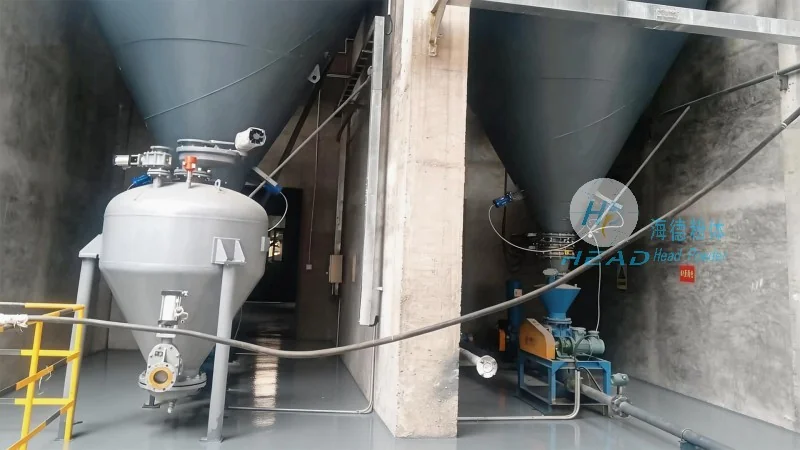
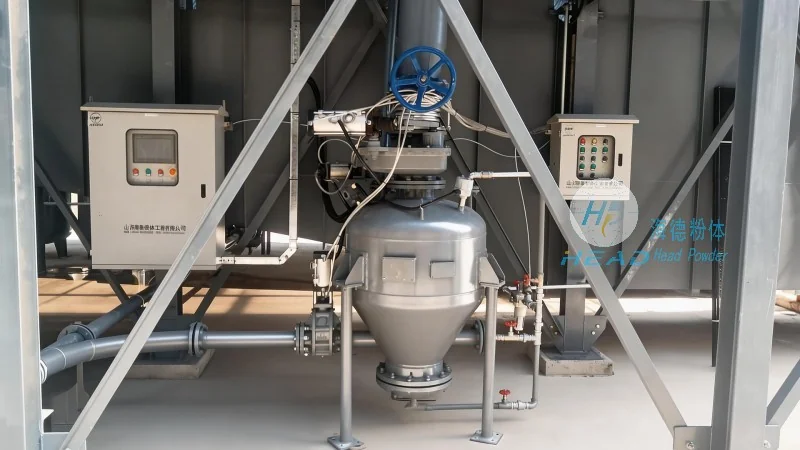
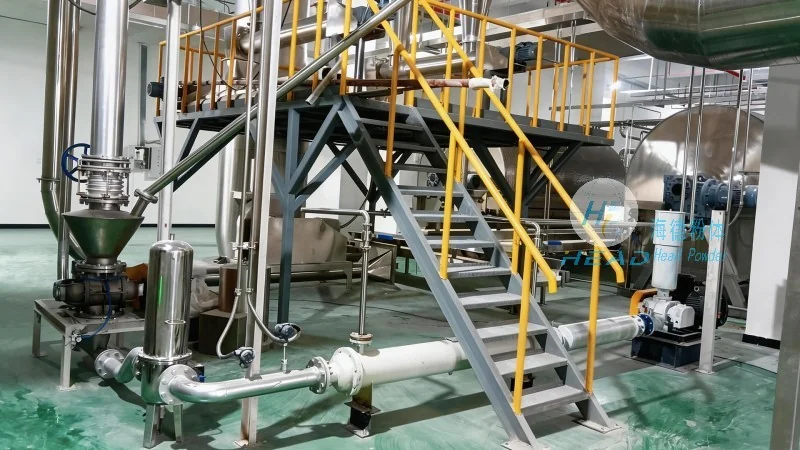
The effectiveness of petrochemical powder handling equipment relies on a combination of specialized components that work together to manage the material flow. The primary components include feeders, conveyors, and control systems, each serving a distinct purpose in the overall operation. Feeders, such as rotary airlock valves or vibratory feeders, are responsible for regulating the flow of powder from storage vessels or hoppers into the conveying line. These devices ensure a consistent and controlled feed rate, preventing overloading or underfeeding that could disrupt the system. Conveyors, which may be pneumatic (air-assisted) or mechanical (e.g., screw or belt conveyors), then transport the powder through the system. Pneumatic conveyors use compressed air to move the material, while mechanical conveyors rely on physical force to push or pull the powder. Control systems, often integrated with sensors and automation technology, monitor parameters like pressure, flow rate, and temperature, and adjust the process in real-time to maintain optimal performance. This automation enhances efficiency and reduces the risk of human error, making the system more reliable and safer to operate.
Design Principles for Efficient and Safe Petrochemical Powder Handling
The design of petrochemical powder handling equipment is guided by several key principles that prioritize efficiency, safety, and durability. One fundamental principle is the prevention of material buildup and blockages, which can lead to system downtime and safety hazards. To achieve this, equipment features smooth, non-stick surfaces and proper venting systems that allow for the release of pressure and the prevention of static electricity accumulation. Another critical principle is the management of dust and air quality, as petrochemical powders can be hazardous if inhaled or if they create explosive conditions. Equipment is typically equipped with dust collection systems and explosion-proof features, such as spark arrestors and flame arrestors, to mitigate these risks. Additionally, the design emphasizes corrosion resistance and durability, as petrochemical powders can be abrasive and corrosive. Materials like stainless steel, aluminum, or specialized coatings are used to protect the equipment from wear and chemical damage, extending its operational lifespan. These design considerations ensure that the equipment can withstand the harsh conditions of petrochemical processing while maintaining performance and safety.




