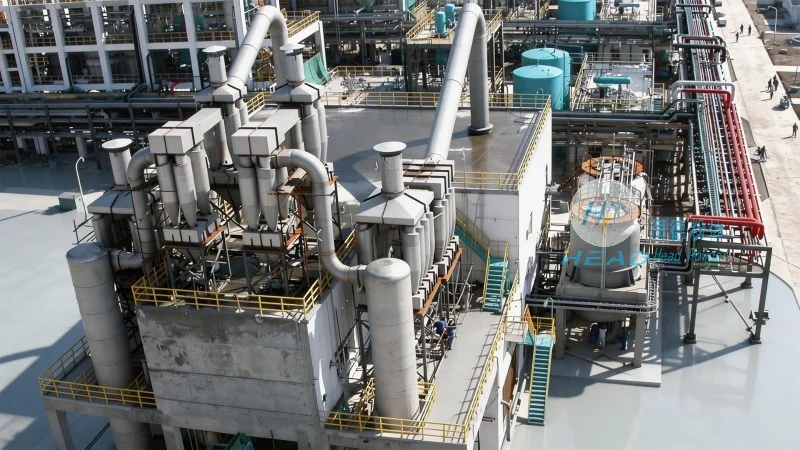
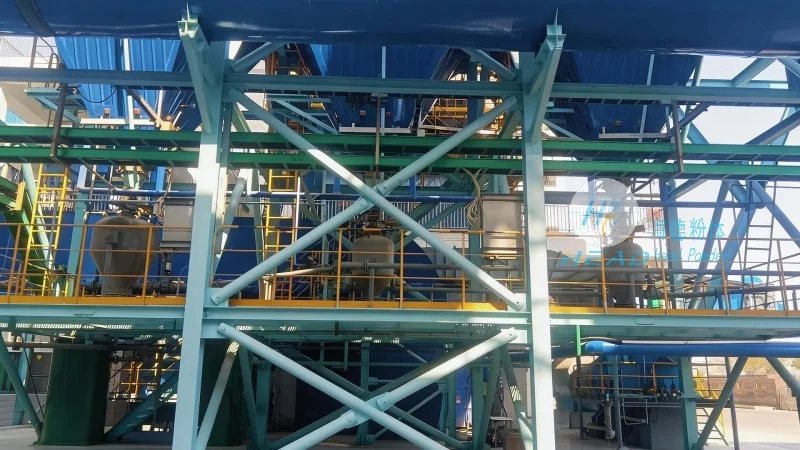
Long-distance powder conveying equipment is a specialized system engineered to transport bulk powders over considerable distances with efficiency and reliability. These systems are integral to industries such as mining, chemical processing, and food production, where the handling of large volumes of powders is essential for operational continuity. The design of such equipment involves a combination of mechanical, pneumatic, and sometimes hydraulic components, tailored to meet the specific characteristics of the material being conveyed, including particle size, density, and flowability.
Understanding the Core Components of Long-Distance Powder Conveying Systems
The fundamental components of long-distance powder conveying equipment typically include a material feed hopper, a conveying mechanism (like a screw or pneumatic duct), a control system, and a discharge unit. The feed hopper ensures a consistent supply of material, preventing blockages and maintaining a steady flow. The conveying mechanism is the heart of the system, responsible for moving the powder from the source to the destination. Pneumatic conveying systems, for instance, use compressed air to create a flow of material through pipes, while mechanical systems rely on rotating screws or belts to transport the powder. The control system monitors and adjusts the conveying process, ensuring optimal performance and preventing issues like overloading or pressure build-up. The discharge unit then delivers the material to its final destination, such as a storage silo or processing unit.
Design Principles for Efficient Long-Distance Powder Conveying
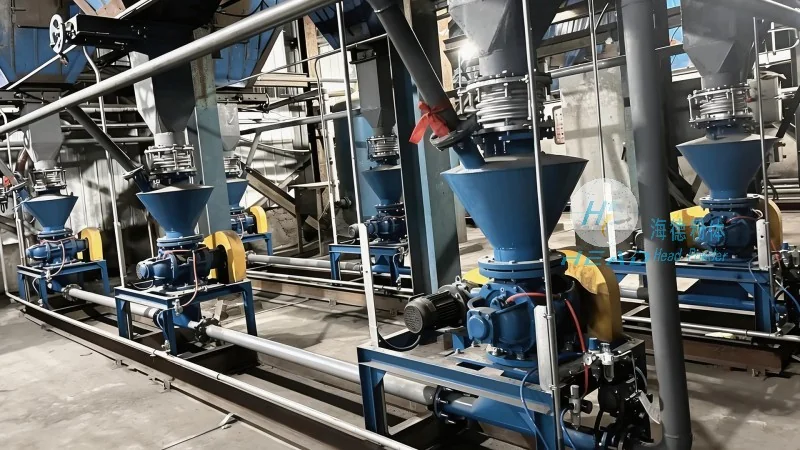
The design principles of long-distance powder conveying equipment are centered on maximizing efficiency, minimizing energy consumption, and ensuring the integrity of the conveyed material. One key principle is the selection of the appropriate conveying method based on the material's properties. For example, cohesive or fine powders may require pneumatic systems with high-pressure air to maintain flow, while bulkier materials might benefit from mechanical systems with larger diameters. Another critical design consideration is the system's pressure drop, which affects the energy required to move the material. Engineers aim to minimize pressure drop by optimizing pipe diameters, reducing bends, and using smooth surfaces to prevent material buildup. Additionally, the system's scalability is a key design aspect, allowing it to handle varying material volumes and distances without significant modifications. This scalability is achieved through modular components that can be added or removed as needed, ensuring flexibility for different operational requirements.
HeadPowder Engineering: Expertise in Long-Distance Powder Conveying Solutions
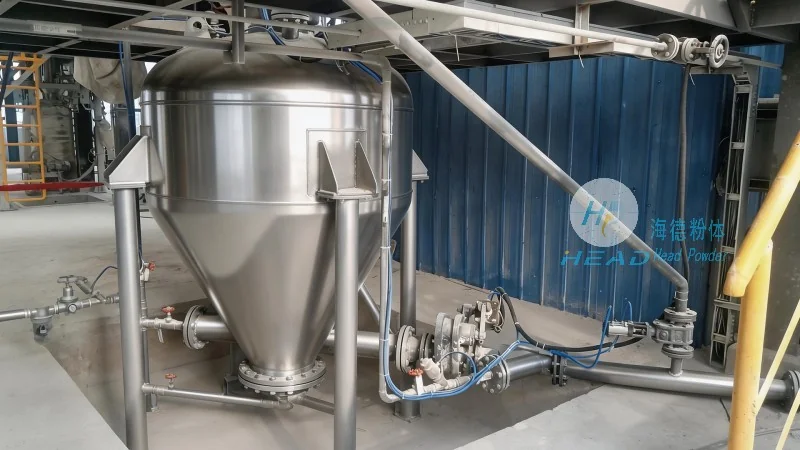
Shandong HeadPowder Engineering Co., Ltd., commonly known as HeadPowder, is a leading provider of long-distance powder conveying equipment and related solutions. With a strong presence in China, particularly in Shandong, the company specializes in designing and manufacturing systems tailored to the unique needs of various industries. HeadPowder's expertise lies in understanding the diverse material characteristics and operational demands of its clients, enabling the development of customized solutions that enhance productivity and reduce operational costs. The company's products are engineered to meet international standards for safety and performance, ensuring reliable operation in demanding environments. By focusing on innovation and customer-centric design, HeadPowder has established itself as a trusted partner for businesses seeking efficient and reliable powder handling solutions. The company's commitment to quality and customer satisfaction is reflected in its comprehensive after-sales support and technical assistance, providing clients with long-term value and operational excellence.




