For industries dealing with diatomaceous earth (DE), an efficient and reliable powder conveying system is crucial to ensure smooth operations and maintain product quality. This article explores the concept of a diatomaceous earth powder conveying system, delving into its design principles and the technical considerations that underpin its functionality.
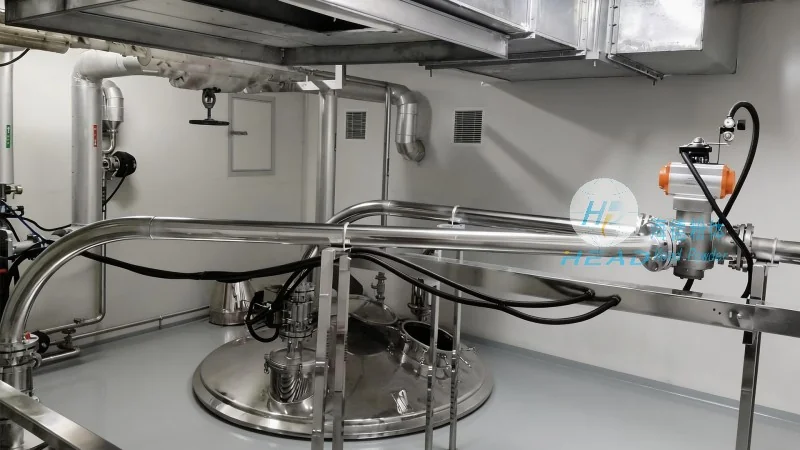
Understanding Diatomaceous Earth and Its Conveying Needs
Diatomaceous earth is a naturally occurring, soft sedimentary rock composed of fossilized diatoms. It is widely used in various industries, including filtration, agriculture, and industrial processes, due to its unique properties such as high porosity, low density, and excellent filtration capabilities. However, the fine, powdery nature of DE poses challenges during handling and transportation. Traditional methods like manual handling or simple bucket elevators are often insufficient, leading to dust accumulation, material loss, and operational inefficiencies. This is where specialized powder conveying systems come into play, designed to address the specific demands of DE handling.
The Core Components of a Diatomaceous Earth Powder Conveying System
A typical diatomaceous earth powder conveying system comprises several key components that work in tandem to ensure effective material transport. The primary elements include a hopper for material storage, a feeder to control the flow rate, a conveying mechanism (such as pneumatic or mechanical), and a discharge unit for delivering the material to its destination. Each component is carefully selected and integrated to optimize performance and minimize downtime.
Design Principles for Efficient Diatomaceous Earth Conveying
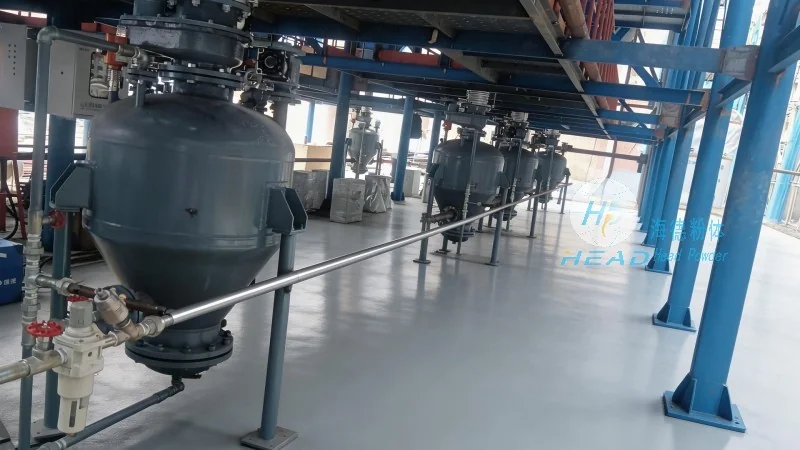
The design of a diatomaceous earth powder conveying system is guided by several critical principles aimed at maximizing efficiency, safety, and durability. One of the most important principles is the prevention of material degradation and dust generation. This is achieved through the use of sealed systems, low-velocity air flow in pneumatic conveyors, and gentle handling mechanisms that minimize particle breakage. Another key principle is the consideration of material properties, such as the particle size distribution, moisture content, and flowability of DE. These factors influence the choice of conveying method and equipment design to ensure optimal performance.
Pneumatic Conveying: A Common Approach for Diatomaceous Earth
Pneumatic conveying is a widely adopted method for transporting diatomaceous earth due to its ability to handle fine powders without the need for mechanical parts in contact with the material. In this system, air is used as the conveying medium, creating a low-pressure or high-pressure environment to move the powder through a pipeline. The design of pneumatic conveyors for DE involves selecting the appropriate air velocity, pipe diameter, and pressure drop to ensure consistent flow and prevent blockages. Additionally, the use of cyclone separators or filter bags at the discharge end helps to separate the material from the air stream, ensuring clean and efficient material recovery.
Mechanical Conveying Systems: An Alternative for Specific Applications
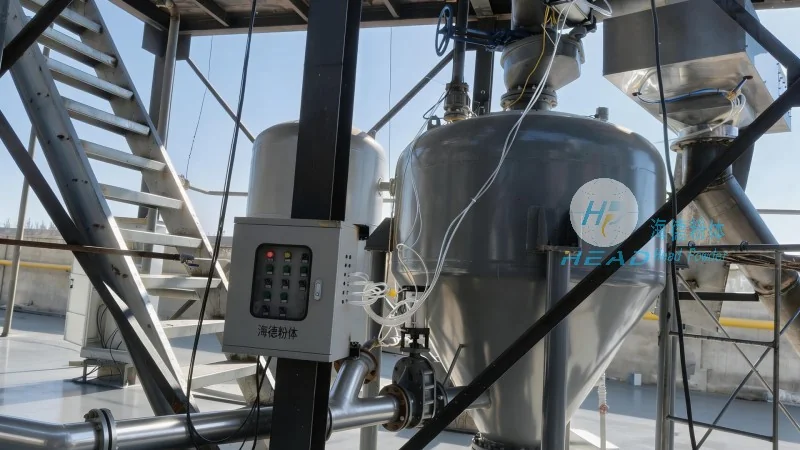
While pneumatic conveying is often preferred for DE, mechanical systems like screw conveyors or belt conveyors may be used in certain scenarios. These systems are particularly suitable for applications where the material needs to be conveyed over longer distances or at higher capacities. The design of mechanical conveyors for diatomaceous earth focuses on minimizing friction and wear, as the fine particles can cause abrasion to the equipment. Proper material selection for the conveyor components, such as stainless steel or special alloys, is essential to ensure long-term durability and maintain product purity.
The Role of HeadPowder in Designing Diatomaceous Earth Conveying Systems
Shandong HeadPowder Engineering Co., Ltd., a leading provider of powder handling solutions, specializes in designing and manufacturing customized diatomaceous earth powder conveying systems. With years of experience in the industry, HeadPowder understands the unique challenges associated with DE handling and employs advanced engineering techniques to develop solutions that meet the specific needs of clients. The company’s approach involves a thorough analysis of the client's process requirements, material characteristics, and operational constraints to design a system that maximizes efficiency and minimizes operational costs.
Key Features and Benefits of HeadPowder's Conveying Systems
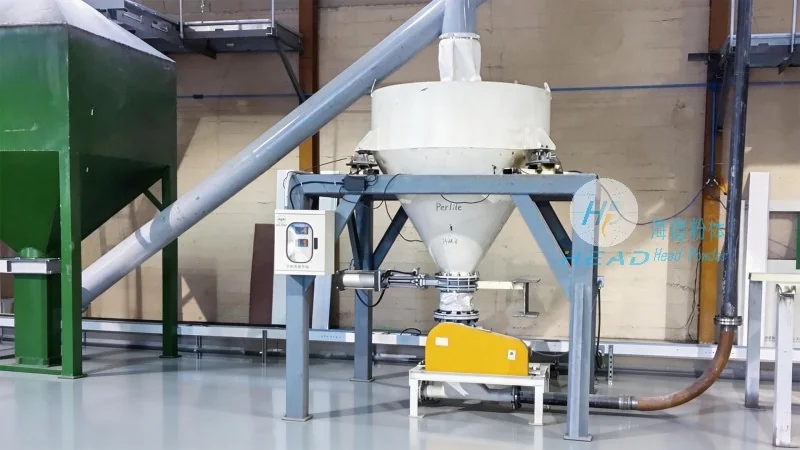
HeadPowder's diatomaceous earth powder conveying systems are characterized by several key features that enhance performance and reliability. These include sealed hopper designs to prevent dust leakage, adjustable feeders for precise flow control, and robust conveying mechanisms that can handle the abrasive nature of DE. The systems are also designed with easy maintenance in mind, featuring accessible components and minimal downtime for repairs. By leveraging their expertise in powder technology, HeadPowder ensures that their conveying systems not only meet but exceed industry standards, providing clients with a reliable solution for their DE handling needs.
Conclusion: Choosing the Right Conveying System for Diatomaceous Earth
In conclusion, a well-designed diatomaceous earth powder conveying system is essential for industries relying on DE for their operations. The choice of system depends on factors such as material properties, application requirements, and operational constraints. Whether opting for pneumatic or mechanical conveying, the design principles of efficiency, safety, and durability must be considered. Companies like Shandong HeadPowder Engineering Co., Ltd. play a vital role in providing tailored solutions that address these needs, ensuring that diatomaceous earth can be handled and transported effectively and safely. By investing in a high-quality conveying system, industries can improve their operational efficiency, reduce material loss, and maintain the quality of their products.




