This article provides an in-depth look at rice husk powder conveying systems, focusing on their design principles and practical applications. Rice husk, a byproduct of rice processing, is often used in various industrial processes, and efficient conveying systems are crucial for handling this material. The following sections will explore the key aspects of such systems, including their design considerations and operational benefits.
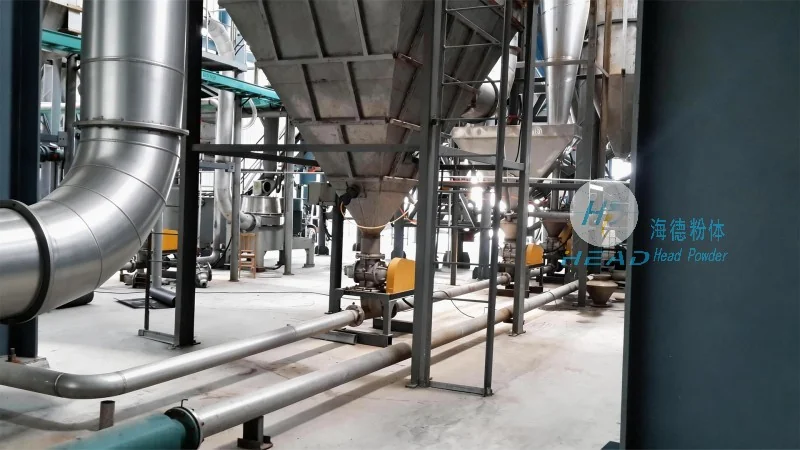
About HeadPowder: Your Partner in Powder Handling Solutions
HeadPowder, operating as Shandong HeadPowder Engineering Co., Ltd., is a leading provider of specialized equipment for powder handling, including systems designed for rice husk and other similar materials. With a base in Shandong, China, the company combines advanced engineering with practical experience to deliver reliable and efficient conveying solutions. Their expertise lies in creating systems that meet the unique challenges of handling fine powders like rice husk, ensuring optimal performance and durability.
What Is a Rice Husk Powder Conveying System?
A rice husk powder conveying system is a specialized piece of equipment designed to transport rice husk powder from one location to another within an industrial setting. Rice husk, being a fine powder, requires systems that can handle its characteristics, such as low bulk density, tendency to form clumps, and potential for dust generation. These systems are engineered to address these challenges, ensuring safe and efficient material transport. The system typically includes components like hoppers, conveyors, and control mechanisms, all working together to move the powder through the process.
Key Design Principles of Rice Husk Powder Conveying Systems
The design of a rice husk powder conveying system is based on several critical principles to ensure effective operation. First, the system must handle the physical properties of rice husk powder, which includes its particle size distribution, moisture content, and flow characteristics. Engineers consider factors like the material's bulk density and how it behaves under different conditions, such as when it's dry or slightly moist. This understanding helps in selecting the appropriate conveyor type, whether it's a pneumatic system, a screw conveyor, or a belt conveyor, depending on the specific application.
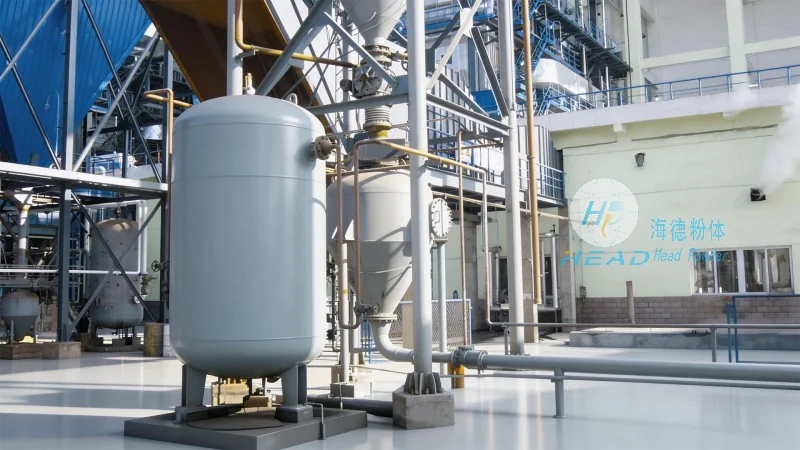
Second, the system must prioritize safety and efficiency. This involves incorporating features like dust collection and explosion-proof designs, as rice husk is a combustible material. The design also focuses on minimizing material degradation and ensuring consistent flow rates. For example, the use of smooth surfaces and appropriate incline angles in conveyor components helps prevent material buildup and ensures a steady flow. Additionally, the system may include sensors and control panels to monitor and adjust the conveying process in real-time, optimizing performance and reducing downtime.
Benefits and Advantages of Using a Rice Husk Powder Conveying System
Implementing a rice husk powder conveying system offers several advantages for industrial operations. Firstly, it enhances productivity by automating the material transport process, reducing manual labor and increasing throughput. This is particularly beneficial in large-scale rice processing facilities where large volumes of husk need to be moved. Secondly, the system improves safety by minimizing human exposure to dust and other hazards associated with handling fine powders. By automating the conveying process, it also reduces the risk of accidents and health issues related to dust inhalation.
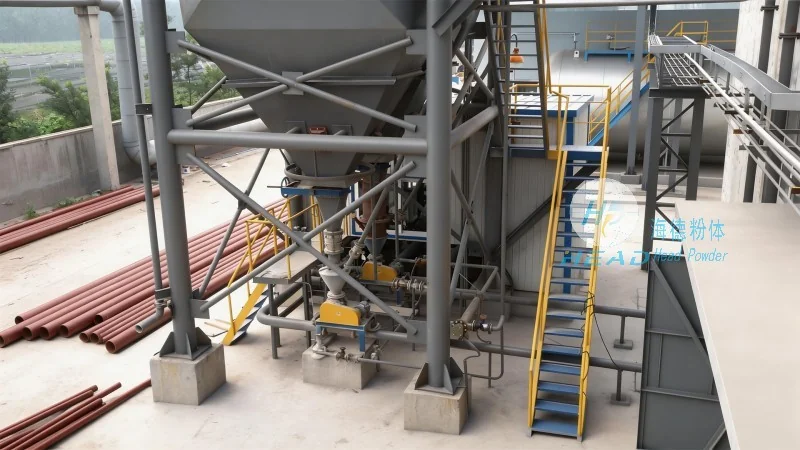
Thirdly, the system contributes to cost savings. By efficiently moving the rice husk to processing or storage areas, it reduces the need for manual handling and associated labor costs. Additionally, the system's design minimizes material loss and waste, which can be a significant expense in powder handling operations. The durability and reliability of the equipment, provided by companies like HeadPowder, further contribute to long-term cost savings by reducing maintenance and replacement costs.
Applications and Use Cases
Rice husk powder conveying systems are widely used in various industries, particularly in the agricultural and food processing sectors. In rice milling operations, these systems are essential for transporting the husk from the milling machine to storage or further processing stages. The systems are also used in biofuel production, where rice husk is converted into biomass energy. Additionally, in the manufacturing of composite materials or as a fuel source for power generation, the efficient conveyance of rice husk is critical. The versatility of these systems allows them to be adapted to different production scales, from small-scale operations to large industrial facilities.
Conclusion
In summary, rice husk powder conveying systems are vital components in industrial processes that handle rice husk. The design principles, which focus on material properties, safety, and efficiency, ensure that these systems can effectively transport the powder while minimizing risks and maximizing productivity. Companies like Shandong HeadPowder Engineering Co., Ltd. play a crucial role in developing and providing such systems, leveraging their expertise to meet the specific needs of their clients. By understanding the design principles and benefits of these systems, industries can improve their operations and achieve better outcomes in handling rice husk powder.




