When it comes to the efficient and precise handling of bulk materials, especially in industries dealing with powders and granules, the role of specialized equipment becomes paramount. Among these, the weighing feeder stands out as a critical component in material processing lines. This article aims to explore what a weighing feeder is, its significance in powder material handling, and the underlying design principles that make it an indispensable tool in various industrial applications.
Understanding the Weighing Feeder: A Core Component in Powder Material Handling
A weighing feeder, often referred to as a gravimetric feeder or batch feeder, is a device designed to measure and control the flow rate of bulk materials, particularly powders and granules. It operates by accurately weighing the material as it is being conveyed, ensuring a consistent and controlled output. The primary function of a weighing feeder is to provide a precise and uniform feed rate, which is essential for processes such as mixing, blending, and batching. This equipment is widely used in sectors like pharmaceuticals, food processing, chemicals, and mining, where the quality and consistency of the final product heavily depend on the accurate dosing of raw materials.
The Design Principles Behind Weighing Feeders
The effectiveness of a weighing feeder is rooted in its design principles, which are tailored to achieve high accuracy, reliability, and adaptability. The core design elements include a load cell or a set of sensors that measure the weight of the material in the hopper or conveyor. These sensors transmit the weight data to a control system, which then adjusts the feeding mechanism (such as a screw, belt, or vibratory feeder) to maintain the desired flow rate. The design principles focus on several key aspects:
Firstly, the integration of high-precision load cells is crucial. These sensors must be capable of detecting even minor changes in weight, ensuring that the feed rate remains stable under varying conditions. The choice of load cell type—whether it's a strain gauge or a more advanced digital sensor—depends on the material's characteristics and the required accuracy level. For instance, in applications involving abrasive or corrosive powders, load cells with protective coatings or specialized materials are used to prevent wear and maintain long-term performance.
Secondly, the control system plays a pivotal role in the design. Modern weighing feeders utilize sophisticated control algorithms, often based on PID (Proportional-Integral-Derivative) control, to regulate the feeding speed. This system continuously monitors the weight and adjusts the motor speed or conveyor speed accordingly, ensuring that the actual feed rate matches the setpoint. The control system may also incorporate features like automatic calibration, which allows for periodic adjustments to account for changes in material density or hopper loading.
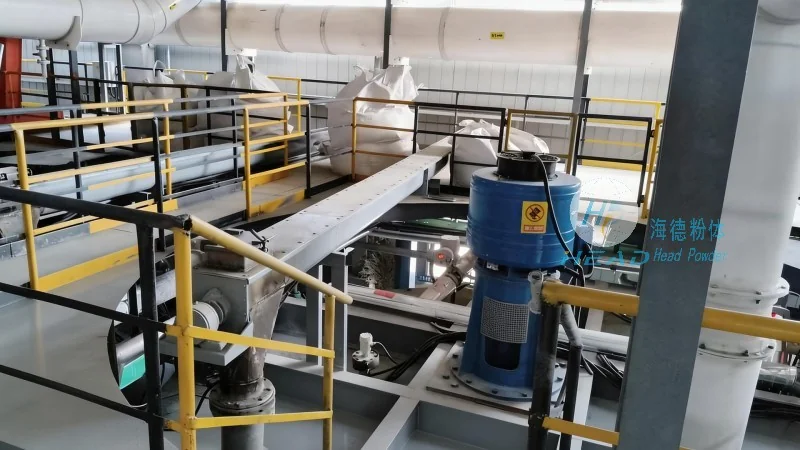
Thirdly, the mechanical design of the feeder itself is optimized for durability and efficiency. The hopper design, for example, is engineered to minimize material bridging and ensure a consistent flow. This is achieved through features such as cone-shaped hoppers with smooth surfaces or the use of vibratory plates to break up agglomerates. The feeding mechanism, whether a screw, belt, or vibratory feeder, is selected based on the material's properties—such as flowability, stickiness, or abrasiveness—to ensure reliable and unobstructed material transfer.
Key Features and Benefits of Weighing Feeders
The design principles discussed above translate into several key features that make weighing feeders highly effective in industrial settings. These features include:
1. **High Accuracy and Precision**: The integration of advanced load cells and control systems enables weighing feeders to achieve feed rates with a high degree of accuracy, typically within ±0.1% to ±0.5% of the setpoint. This level of precision is critical for applications where even minor variations in material dosage can impact product quality.
2. **Versatility**: Weighing feeders can handle a wide range of materials, from free-flowing powders to cohesive or sticky substances. The ability to adjust the feeding mechanism and hopper design allows for customization to suit different material characteristics.
3. **Reliability and Durability**: The robust construction, including materials resistant to corrosion and wear, ensures long-term operation with minimal maintenance. This reliability is essential for continuous production processes where downtime is costly.
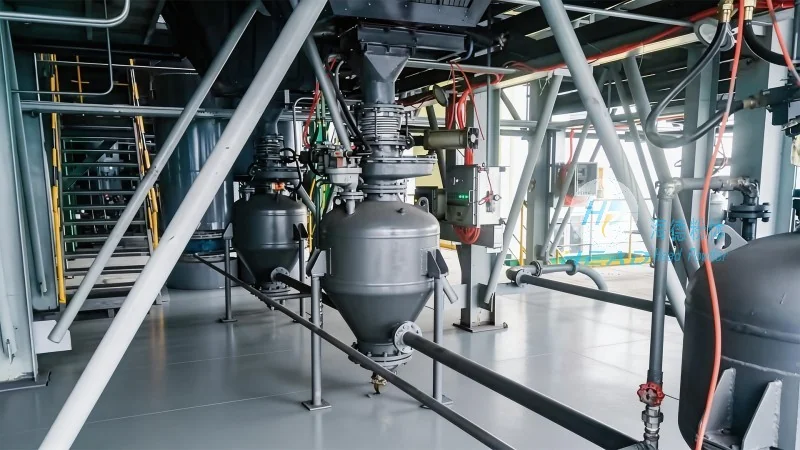
4. **Adaptability**: Modern weighing feeders often come with features like automatic start/stop, overload protection, and integration with other process control systems. These features enhance operational flexibility and ease of use.
Applications and Industry Impact
Weighing feeders are integral to numerous industrial processes where precise material dosing is essential. In the pharmaceutical industry, for example, they are used to ensure the accurate formulation of drugs, preventing variations in active ingredients that could affect efficacy or safety. In the food processing sector, they help maintain consistent ingredient ratios in products like bakery items or beverages. In the chemical industry, they are crucial for blending raw materials to achieve specific chemical compositions, which is vital for product performance and regulatory compliance.
Conclusion: The Role of Weighing Feeders in Modern Material Handling
In conclusion, a weighing feeder is more than just a material handling device; it is a precision tool that underpins the efficiency and quality of industrial processes. The design principles, including high-precision load cells, advanced control systems, and robust mechanical components, work in harmony to deliver consistent and accurate material flow. As industries continue to demand higher standards of product quality and operational efficiency, the importance of weighing feeders will only grow. For businesses operating in sectors that rely on bulk material handling, investing in a well-designed weighing feeder is a strategic decision that can lead to improved productivity, reduced waste, and enhanced product consistency.
Shandong HeadPowder Engineering Co., Ltd., a leading manufacturer of material handling equipment, specializes in providing high-quality weighing feeders tailored to the specific needs of various industries. With a commitment to precision engineering and customer satisfaction, the company offers solutions that meet the most demanding requirements in powder material handling. Based in Shandong, China, HeadPowder Engineering Co., Ltd. leverages years of experience and advanced technology to deliver reliable and efficient equipment that enhances the performance of industrial processes worldwide.




