Efficient and reliable dye material handling systems are crucial in the manufacturing processes of the dye industry. These systems are designed to transport, store, and manage dye powders and liquids with precision, ensuring consistent quality and safety throughout the production chain. Understanding the core components and design principles of such systems is essential for optimizing operational efficiency and maintaining compliance with industry standards.
Introduction to Dye Material Handling Systems
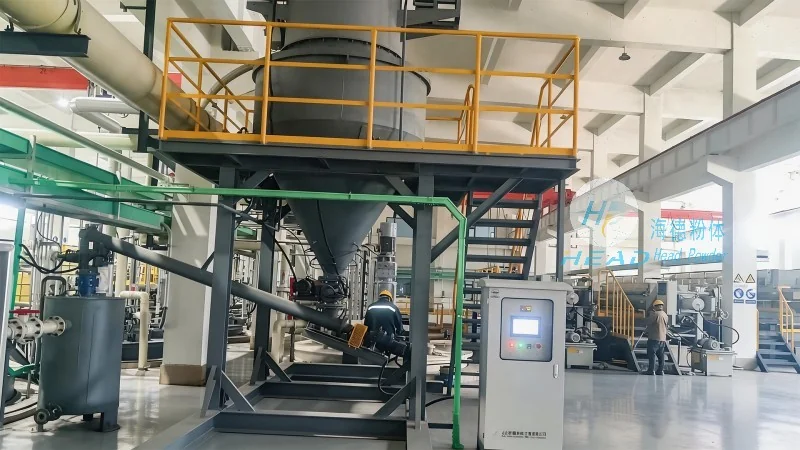
A dye material handling system is a specialized setup that facilitates the movement and management of dye materials, which can range from solid powders to liquid concentrates. These systems are integral to the dye production and processing industries, as they enable seamless integration of raw materials into the manufacturing workflow. The primary functions of these systems include material storage, transfer, mixing, and dispensing, all while maintaining the integrity and purity of the dye products.
About HeadPowder: Shandong HeadPowder Engineering Co., Ltd.
HeadPowder, or Shandong HeadPowder Engineering Co., Ltd., is a leading provider of engineering solutions tailored for the dye and chemical industries. With a strong presence in China, particularly in Shandong, the company specializes in designing and manufacturing advanced material handling systems that meet the stringent requirements of modern dye production. HeadPowder's expertise lies in integrating innovative technologies with robust engineering to deliver systems that enhance productivity, reduce downtime, and ensure operational safety.
Key Design Principles of Dye Material Handling Systems
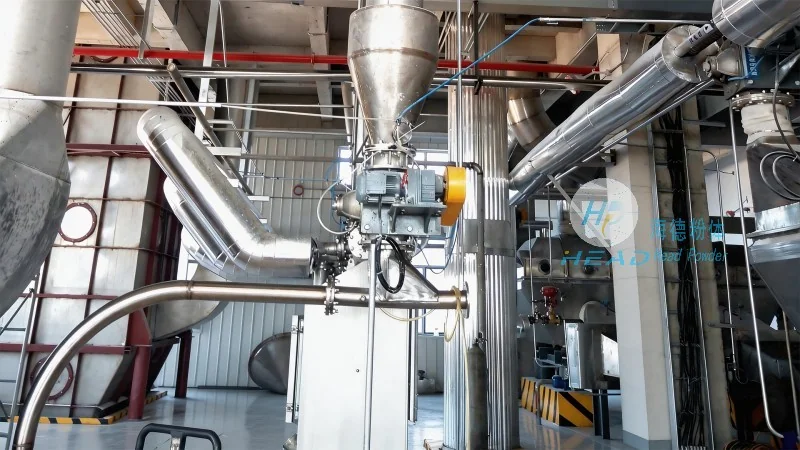
The design of a dye material handling system is governed by several critical principles that ensure optimal performance and reliability. These principles include material compatibility, which involves selecting equipment and materials that are resistant to the chemical properties of dyes and their solvents. Additionally, the system must prioritize containment and dust control to prevent environmental contamination and ensure worker safety. Another essential principle is the maintenance of material integrity, as dye powders are often sensitive to moisture, temperature, and exposure to air, which can affect their color strength and stability.
System scalability is another key design consideration, as dye production facilities may expand over time. The design must allow for easy integration of additional components or capacity upgrades without disrupting existing operations. Furthermore, energy efficiency is a modern design priority, with systems incorporating advanced controls and automation to minimize power consumption while maximizing throughput. The use of closed-loop systems and positive displacement pumps is common to prevent material leakage and ensure precise dosing, which is critical for maintaining consistent dye quality.
Core Components and Their Functions
A typical dye material handling system comprises several interconnected components, each serving a specific function in the material flow. The storage unit, often a silo or hopper, is designed to hold large quantities of dye powders, with features like airtight seals and moisture barriers to protect the material. From the storage unit, a feeder or conveyor system transports the material to the processing area. These components may include screw conveyors, belt conveyors, or pneumatic systems, depending on the material's characteristics and the required transfer distance.
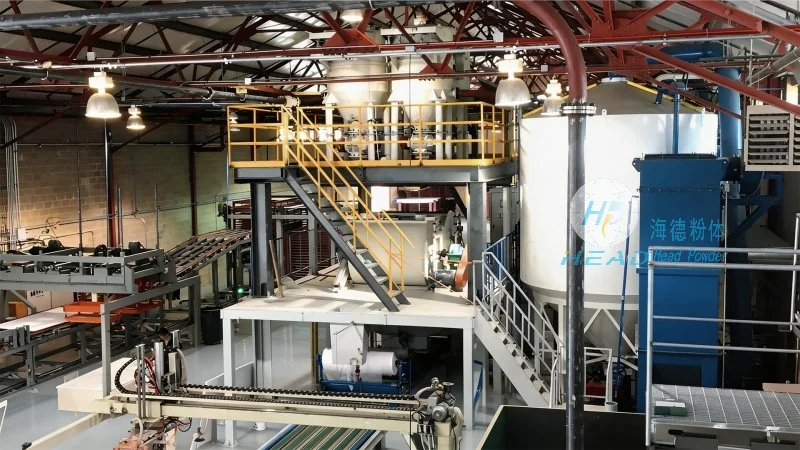
The mixing and blending section is where the dye powders are combined with solvents or other additives to form the final dye product. This section typically includes mixers, agitators, and reactors, which are designed to achieve uniform mixing and prevent segregation of the material. For liquid dyes, storage tanks and pumps are used to handle the liquid material, with systems incorporating level sensors and flow meters to monitor and control the liquid flow.
The dispensing and packaging unit is responsible for delivering the processed dye to the final containers or production lines. This may involve filling machines, packaging equipment, or automated transfer systems. The entire system is often controlled by a centralized control panel or a programmable logic controller (PLC), which allows operators to monitor and adjust the system parameters in real-time. Safety features such as emergency stop buttons, interlocks, and dust suppression systems are integrated into the design to ensure compliance with occupational health and safety regulations.
Applications and Industry Impact
Dye material handling systems are widely used across various industries, including textiles, plastics, and printing. In the textile industry, these systems are essential for processing large quantities of dye powders used in fabric dyeing and finishing. The precision and consistency provided by these systems ensure that the final products meet the required color standards and quality specifications. In the plastic and polymer industry, dye handling systems are used to colorize resin and other materials, enabling manufacturers to produce a wide range of colored products with uniform coloration.
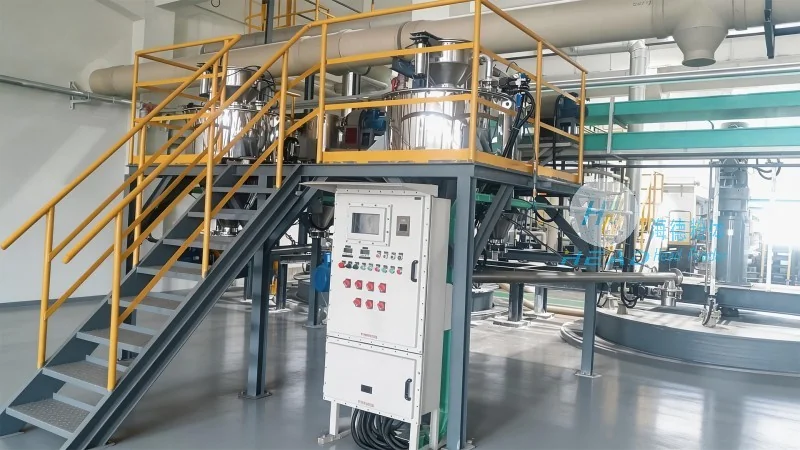
The impact of these systems extends beyond production efficiency. By reducing material waste and improving process control, dye material handling systems contribute to cost savings and environmental sustainability. The ability to handle both solid and liquid dyes in a single system also enhances operational flexibility, allowing manufacturers to switch between different product lines without significant reconfiguration. This adaptability is particularly valuable in industries where product demand and specifications may change frequently.
Conclusion and Future Trends
In conclusion, dye material handling systems are sophisticated engineering solutions that play a vital role in the dye manufacturing industry. The design principles and components of these systems are tailored to meet the unique challenges of handling dye materials, ensuring that they are transported, stored, and processed with precision and reliability. Companies like Shandong HeadPowder Engineering Co., Ltd. continue to innovate in this field, developing advanced systems that enhance productivity, safety, and sustainability. As the industry evolves, future trends may include the integration of artificial intelligence and machine learning for predictive maintenance, further optimizing system performance and reducing operational costs.




