For industrial applications involving the transport of cement and mineral powders, pneumatic conveying systems offer a highly efficient and reliable solution. These systems utilize air or gas to move bulk materials from one location to another, eliminating the need for mechanical components like conveyors or elevators. The design of such systems is critical to ensure optimal performance, safety, and longevity. This article outlines key design considerations for cement and mineral powder pneumatic conveying systems, with a focus on the expertise of Shandong HeadPowder Engineering Co., Ltd., a leading provider in the field.
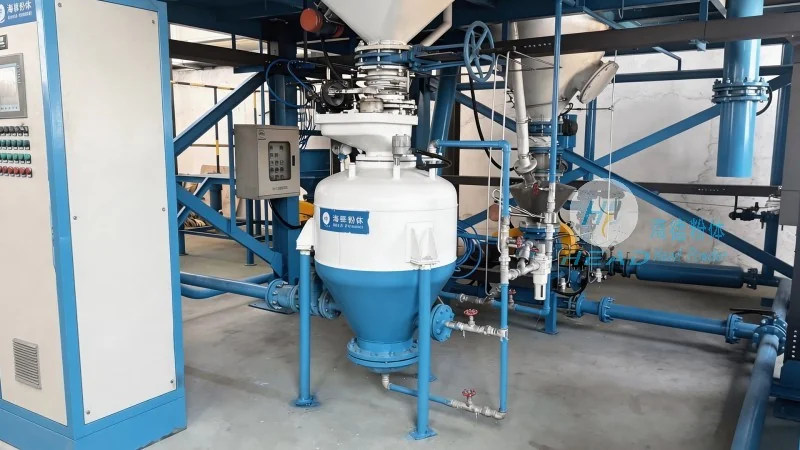
Material Characteristics and System Selection
The first step in designing a pneumatic conveying system is to thoroughly analyze the properties of the cement and mineral powders being transported. Key material characteristics include particle size distribution, moisture content, density, and flowability. These factors directly influence the choice of conveying method—such as dilute phase or dense phase systems—and the selection of appropriate equipment like rotary valves, airlocks, and cyclones. For example, fine-grained materials like cement may require a dilute phase system with high air velocity to prevent blockages, while coarser mineral powders might benefit from a dense phase system that uses lower air velocity and higher material concentration. Understanding these material properties ensures that the system is tailored to the specific needs of the application, minimizing operational issues and maximizing efficiency.
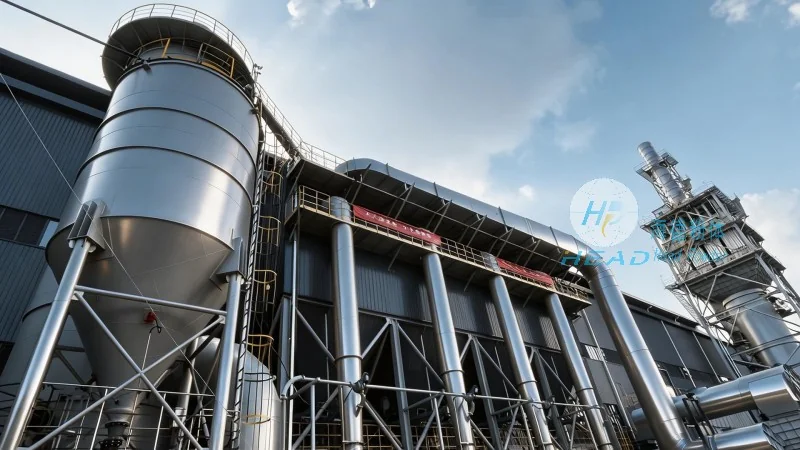
System Layout and Integration
The layout of a pneumatic conveying system must be carefully planned to accommodate the process flow and spatial constraints of the facility. This includes determining the optimal placement of the material source, conveying line, and destination point. The system should be designed to minimize the number of bends and changes in direction, as excessive bends can cause pressure drops and material degradation. Additionally, the integration of auxiliary equipment such as dust collectors, filters, and air compressors must be considered to ensure a complete and functional system. Shandong HeadPowder Engineering Co., Ltd. specializes in designing customized layouts that align with the client's operational requirements, ensuring seamless integration with existing infrastructure and processes.
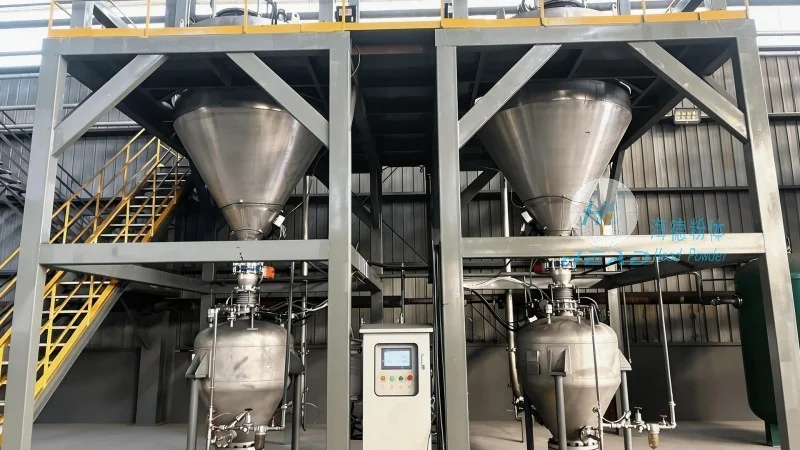
Pressure and Flow Rate Considerations
Pressure and flow rate are two of the most critical parameters in pneumatic conveying system design. The pressure required depends on the distance and elevation changes between the source and destination, as well as the material's resistance to flow. High-pressure systems are typically used for long-distance or high-elevation conveying, while low-pressure systems are suitable for shorter distances or horizontal transport. The flow rate must be sufficient to maintain the material in suspension and prevent settling or blockages. Proper calculation of these parameters is essential to avoid under- or over-pressurization, which can lead to equipment damage or material loss. Engineers at Shandong HeadPowder Engineering Co., Ltd. employ advanced computational tools and industry best practices to determine the optimal pressure and flow rates for each project, ensuring reliable and efficient operation.
Material Handling Equipment Selection
The selection of material handling equipment is a key aspect of system design. Components such as rotary valves, airlocks, and feeders play a crucial role in controlling the flow of material into the conveying line. Rotary valves, for instance, are commonly used to regulate the discharge of bulk materials from hoppers, while airlocks prevent backflow and maintain a consistent material feed rate. The choice of equipment depends on factors like material characteristics, flow rate requirements, and system pressure. Properly selected and installed equipment ensures smooth material transfer and reduces the risk of system downtime. Shandong HeadPowder Engineering Co., Ltd. offers a wide range of high-quality material handling components, tailored to the specific needs of cement and mineral powder applications.
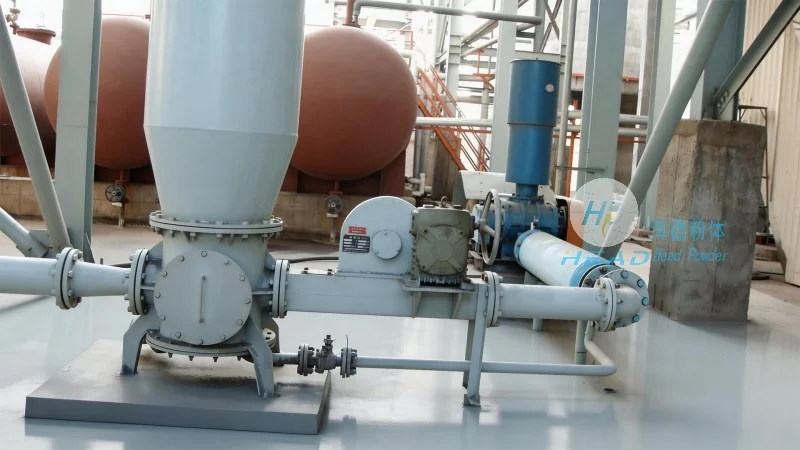
System Safety and Maintenance
Ensuring the safety of personnel and equipment is a top priority in pneumatic conveying system design. This includes implementing safety features such as pressure relief valves, explosion-proof components, and emergency shut-off systems. Regular maintenance is also essential to keep the system operating at peak performance. This involves routine checks of air compressors, filters, and conveying lines, as well as cleaning and replacement of worn parts. A well-maintained system not only enhances safety but also reduces operational costs by minimizing downtime and extending equipment life. Shandong HeadPowder Engineering Co., Ltd. provides comprehensive maintenance services and technical support to help clients maintain their systems in optimal condition.




