When designing an air-pneumatic conveying system for textile fibers, several critical factors must be considered to ensure efficient operation, durability, and compliance with industry standards. The system's performance is directly influenced by the choice of components, material properties of the fibers, and the operational environment. This article outlines key design considerations to help engineers and manufacturers select and implement effective conveying solutions.
System Selection and Pressure Classification
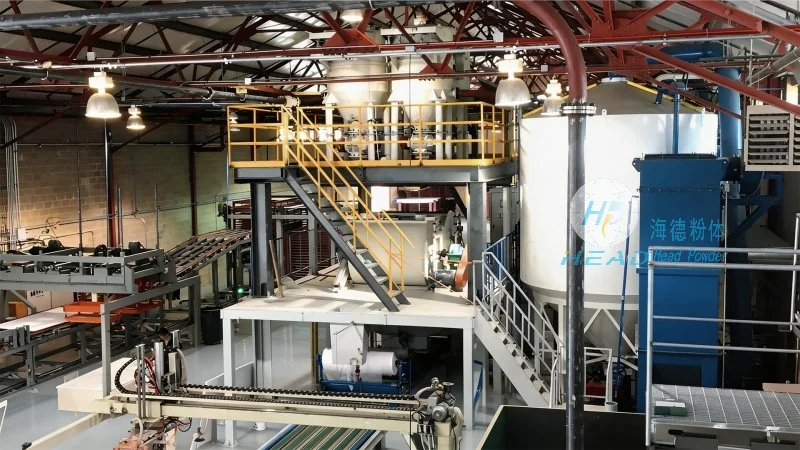
The first step in designing a textile fiber air-pneumatic conveying system is to determine the appropriate system type based on the material characteristics and required conveying distance. Textile fibers vary widely in size, density, and moisture content, which impacts the selection of pressure and flow rate. There are two primary pressure classifications: low-pressure and high-pressure systems. Low-pressure systems typically operate at pressures below 0.5 bar and are suitable for short distances and low-volume applications. High-pressure systems, on the other hand, operate at pressures between 1 to 2 bar and are ideal for longer distances and higher throughput. The choice between these systems depends on the specific requirements of the textile processing line, such as the need for gentle handling of delicate fibers or the need to transport large quantities over significant distances.
Pipeline Design and Material Selection
Pipeline design is a critical aspect of air-pneumatic conveying system performance. The diameter and length of the pipeline must be carefully calculated to maintain the desired air velocity and prevent material deposition or blockages. For textile fibers, which can be abrasive and prone to static electricity, the choice of pipeline material is paramount. Stainless steel is commonly used due to its corrosion resistance and ability to prevent fiber buildup. However, for certain applications where cost is a primary concern, coated steel or plastic pipes may be considered. The pipeline should also be equipped with appropriate bends and elbows to minimize pressure loss and ensure smooth material flow. Properly designed pipelines reduce energy consumption and extend the lifespan of the system.
Component Integration and Maintenance
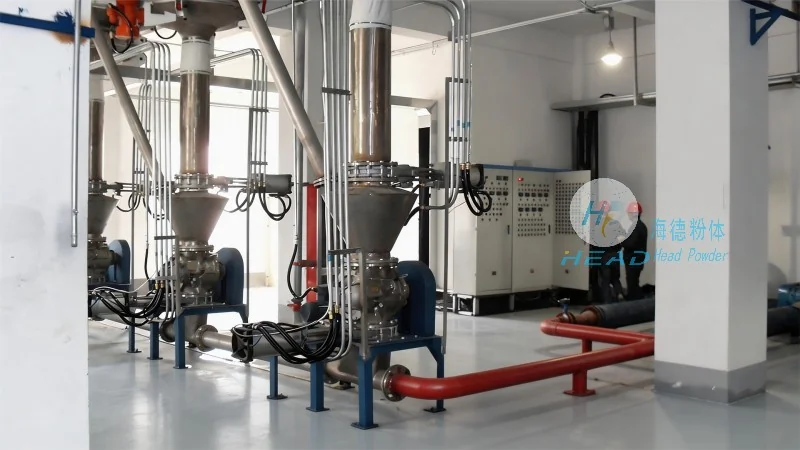
Effective air-pneumatic conveying systems rely on the integration of several key components, including air blowers, feeders, cyclones, and filters. The air blower must be selected to provide sufficient air volume and pressure to meet the system's requirements. It is essential to choose a blower that can handle the specific characteristics of textile fibers, such as high moisture content or fine particle size. The feeder, which introduces the fibers into the system, should be designed to prevent material bridging and ensure consistent flow. Cyclones are used to separate the fibers from the air stream, and their design must be optimized for the fiber's density and size. Regular maintenance of these components is crucial to maintain system efficiency. This includes cleaning filters, checking blower performance, and inspecting pipelines for signs of wear or blockage. Proper maintenance not only improves system performance but also reduces downtime and operational costs.
Environmental and Safety Considerations
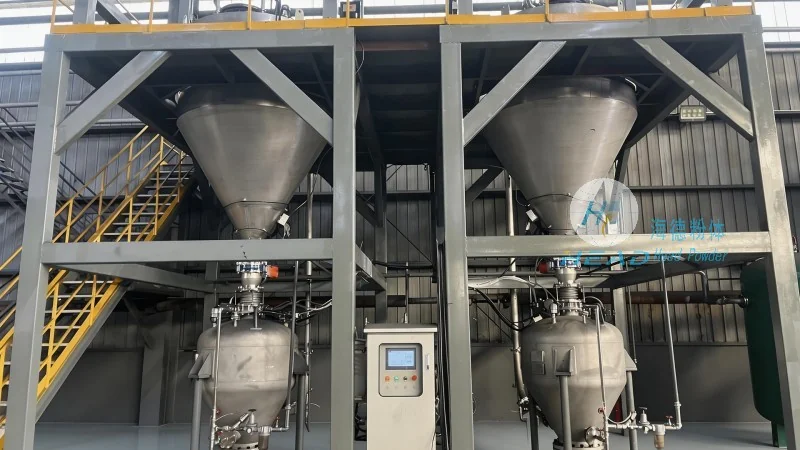
Designing an air-pneumatic conveying system for textile fibers must also address environmental and safety concerns. Textile fibers can generate static electricity, which may lead to dust explosions in certain environments. Therefore, grounding and bonding systems are essential to prevent static buildup. Additionally, the system should be designed to minimize dust emissions and comply with local environmental regulations. Proper ventilation and filtration systems are necessary to maintain air quality in the workspace. Safety features, such as emergency shut-off valves and pressure relief devices, should be incorporated into the design to protect operators and equipment from potential hazards. By addressing these environmental and safety considerations, manufacturers can ensure that their air-pneumatic conveying systems are not only efficient but also safe and compliant with regulations.
Case Study: Application by Shandong HeadPowder Engineering Co., Ltd.
Shandong HeadPowder Engineering Co., Ltd., a leading provider of air-pneumatic conveying solutions, has successfully implemented textile fiber conveying systems for various clients. One notable project involved the design and installation of a high-pressure system for a textile mill in China. The system was engineered to transport fine cotton fibers over a distance of 150 meters with a throughput of 10 tons per hour. The design incorporated stainless steel pipelines, a high-efficiency blower, and advanced cyclones to ensure optimal performance. The system has been in operation for over two years, demonstrating reliable performance and low maintenance costs. This case study highlights the importance of considering all design factors, from material selection to component integration, to achieve a successful air-pneumatic conveying system for textile fibers.




