Calcium powder pneumatic conveying technology represents a sophisticated method for transporting fine powders through a pipeline using air as the conveying medium. This technology is widely adopted in industrial sectors due to its efficiency, flexibility, and ability to handle delicate materials without degradation. The fundamental principle involves creating a flow of air that carries the powder particles, ensuring uniform and controlled movement from the source to the destination. Understanding the core mechanics of this process is essential for optimizing performance and ensuring reliable operation in various industrial applications.
Principles of Pneumatic Conveying for Calcium Powder
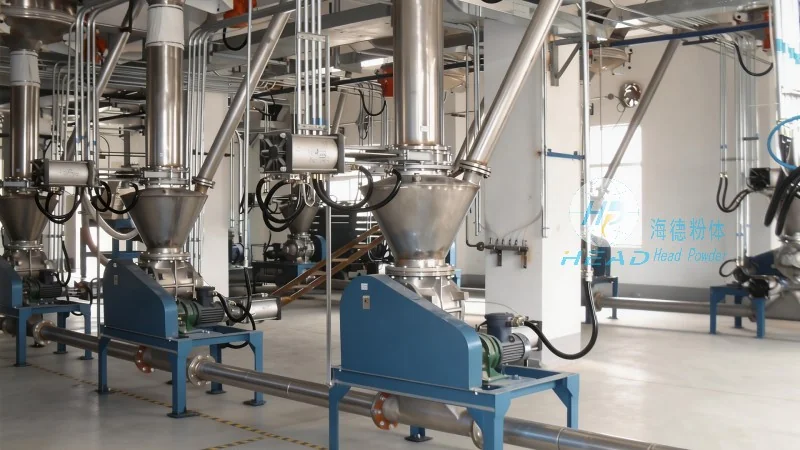
The core principle of pneumatic conveying involves the generation of a pressure differential or vacuum to move the powder particles through a pipeline. There are two primary modes: pressure and vacuum. In pressure systems, compressed air is introduced at the inlet, creating a high-pressure environment that propels the powder forward. Vacuum systems, on the other hand, use a vacuum at the discharge end to draw the powder from the source. For calcium powder, which is often fine and abrasive, the choice of system depends on factors such as the material's properties, the distance of transport, and the required flow rate. The design of the conveying line, including the diameter of the pipe, the angle of inclination, and the presence of bends or fittings, directly impacts the efficiency and stability of the conveying process. Proper air velocity and particle velocity ratios are critical to prevent particle segregation, caking, or blockages, which can lead to system inefficiencies or equipment damage.
Applications of Calcium Powder Pneumatic Conveying
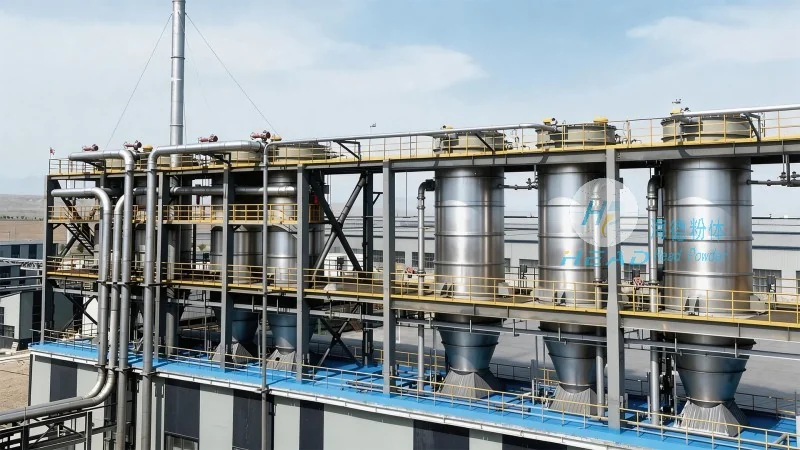
Calcium powder, commonly used in industries such as construction, pharmaceuticals, and food processing, requires specialized handling due to its fine particle size and potential for dust generation. Pneumatic conveying systems offer a solution by providing a closed-loop system that minimizes dust exposure and ensures product integrity. In construction, calcium-based materials like calcium carbonate are used in cement and concrete production. The pneumatic conveying technology allows for the efficient transport of these powders from storage silos to mixing plants, maintaining consistent quality and reducing manual handling risks. In the pharmaceutical industry, where calcium supplements or calcium-based excipients are used, the hygienic design of pneumatic conveying systems is crucial. These systems often incorporate stainless steel components, filtration, and dust collection to meet stringent regulatory standards. Similarly, in the food industry, calcium powders used as nutritional additives or fortifiers benefit from the gentle handling provided by pneumatic systems, preserving the product's quality and preventing contamination. The versatility of pneumatic conveying makes it suitable for a wide range of calcium powder applications, from bulk handling in large-scale manufacturing to precise dosing in laboratory settings.
Development Trends in Calcium Powder Pneumatic Conveying
The field of calcium powder pneumatic conveying is continuously evolving to meet the demands of modern industrial processes. Technological advancements focus on improving efficiency, reducing energy consumption, and enhancing system reliability. One significant trend is the adoption of advanced control systems that optimize air pressure and flow rates in real-time, adapting to varying material conditions and system loads. This dynamic control minimizes energy waste and ensures consistent conveying performance. Another trend is the integration of automation and sensors to monitor key parameters such as pressure, flow rate, and particle concentration. Real-time data analysis allows for predictive maintenance, reducing downtime and extending the lifespan of conveying equipment. Additionally, the development of more durable and corrosion-resistant materials for pipeline components addresses the challenges posed by calcium powder's abrasive nature, ensuring long-term system reliability. The shift towards sustainable practices is also influencing the technology, with a focus on energy-efficient designs and the use of recycled materials in system construction. These trends reflect the industry's commitment to providing efficient, reliable, and environmentally conscious solutions for calcium powder handling.
About Shandong HeadPowder Engineering Co., Ltd.
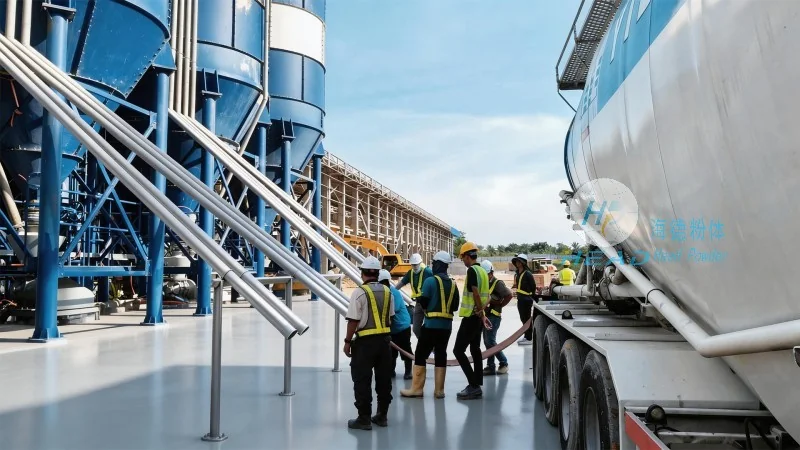
Shandong HeadPowder Engineering Co., Ltd., operating under the brand name headpowder, is a leading provider of pneumatic conveying solutions tailored for calcium powder applications. With a strong presence in China, the company specializes in designing, manufacturing, and installing customized conveying systems that meet the unique requirements of industrial clients. The company's expertise lies in understanding the specific challenges associated with calcium powder, such as particle size distribution, moisture content, and handling conditions, and developing tailored solutions to address these challenges. By leveraging advanced engineering principles and industry best practices, headpowder ensures that its systems deliver optimal performance, reliability, and cost-effectiveness. The company's commitment to quality and customer satisfaction is reflected in its adherence to international standards and its focus on providing comprehensive support, including installation, maintenance, and technical training. With a team of experienced engineers and technicians, headpowder continues to innovate and provide cutting-edge solutions that enhance the efficiency and safety of calcium powder handling in various industrial sectors.




