When designing a calcined gypsum pneumatic conveying system, several critical factors must be considered to ensure efficiency, reliability, and safety. This article outlines key design considerations tailored for systems used in industrial applications, focusing on the unique properties of calcined gypsum and the requirements of pneumatic conveying technology.
System Sizing and Material Flow Characteristics
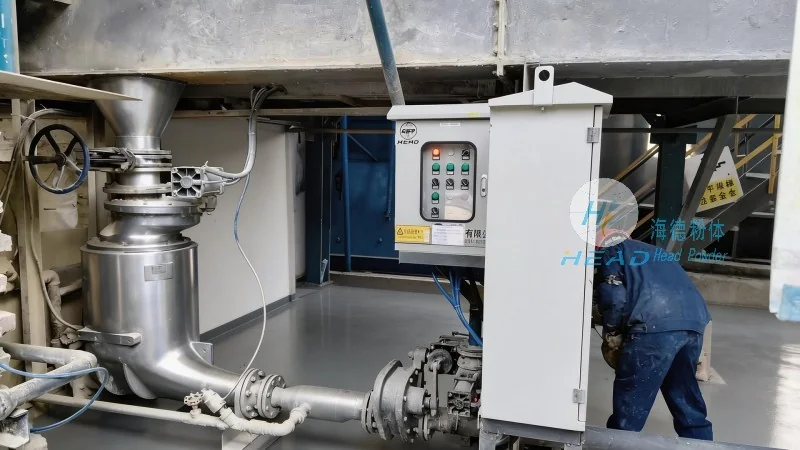
The first step in designing a calcined gypsum pneumatic conveying system is accurately determining the system's capacity and the flow characteristics of the material. Calcined gypsum, also known as plaster of Paris, has specific bulk density and particle size distribution that influence air velocity and pressure requirements. Proper sizing of the conveying line, including pipe diameter and length, is essential to maintain optimal air-to-material ratios and prevent blockages or excessive energy consumption. Engineers must consider the material's flowability, which can be affected by moisture content and particle size, as these factors directly impact the system's performance.
Airflow and Pressure Management
Effective airflow and pressure management are paramount in calcined gypsum pneumatic conveying systems. The system must be designed to maintain sufficient air velocity to keep the material in suspension and prevent settling or clogging in the conveying line. This involves calculating the required air volume and pressure based on the material's properties and the system's layout. HeadPowder, a leading engineering firm specializing in material handling solutions, emphasizes the importance of using high-quality air compressors and filters to ensure consistent airflow quality. Proper pressure regulation and monitoring are also critical to prevent over-pressurization, which can lead to system failures or material degradation.
Pipe Material and System Layout
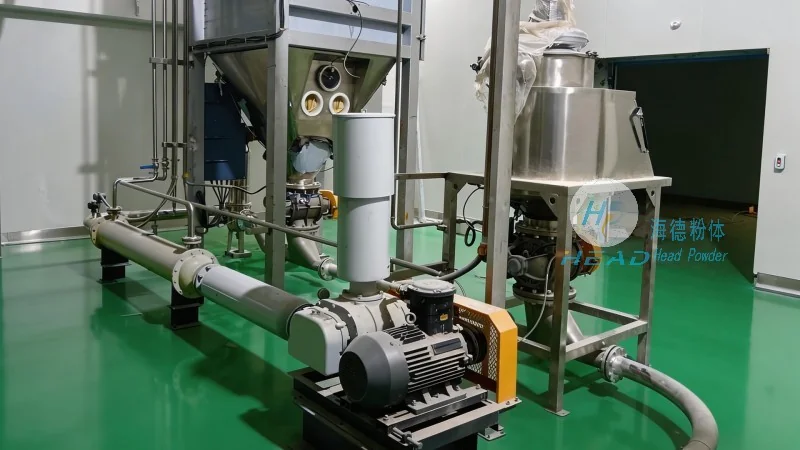
The choice of pipe material and the overall system layout significantly impact the performance and longevity of a calcined gypsum pneumatic conveying system. Calcined gypsum is an abrasive material, so the conveying pipes must be constructed from durable materials such as stainless steel or high-grade plastic to withstand wear and corrosion. The system layout should minimize bends and changes in direction, as these can cause pressure drops and increase the risk of material accumulation. HeadPowder engineers recommend using smooth, unobstructed pipe runs to maintain consistent air flow and reduce energy consumption. Additionally, the system should include appropriate expansion joints and supports to accommodate thermal expansion and reduce stress on the pipes.
Filter and Dust Collection Systems
Due to the fine nature of calcined gypsum, efficient filtration and dust collection are essential components of any pneumatic conveying system. The system must be equipped with high-capacity filters that can handle the material's dust and prevent it from escaping into the environment or damaging downstream equipment. HeadPowder recommends using bag filters or cartridge filters with appropriate media to capture fine particles and maintain air quality. The filter system should also include a pressure relief valve and a cleaning mechanism to ensure continuous operation without interruptions. Proper maintenance of the filter system is crucial to prevent clogging and maintain the system's efficiency.
Control and Monitoring Systems
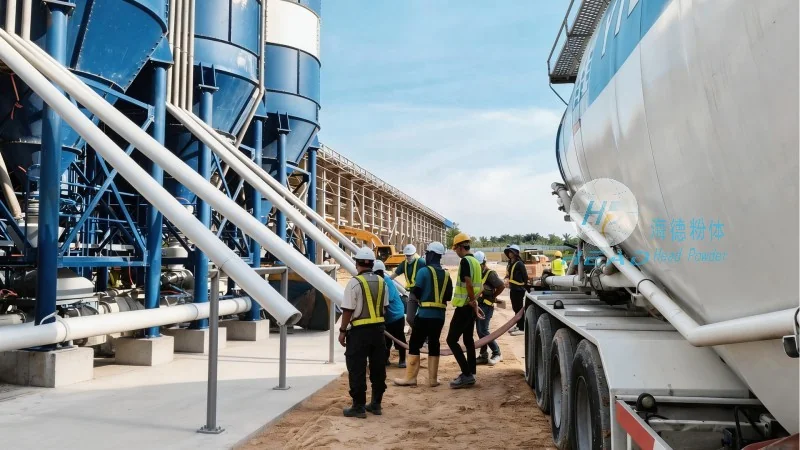
Advanced control and monitoring systems are vital for optimizing the performance of a calcined gypsum pneumatic conveying system. These systems allow operators to monitor key parameters such as air pressure, flow rate, and material level in real-time. HeadPowder's engineering solutions include integrated control panels with sensors and alarms that alert operators to any deviations from normal operating conditions. This proactive approach helps prevent system failures, reduces downtime, and ensures consistent material delivery. The control system should also be capable of adjusting airflow and pressure automatically based on the material's flow characteristics, further enhancing the system's efficiency and reliability.
Installation and Maintenance Considerations
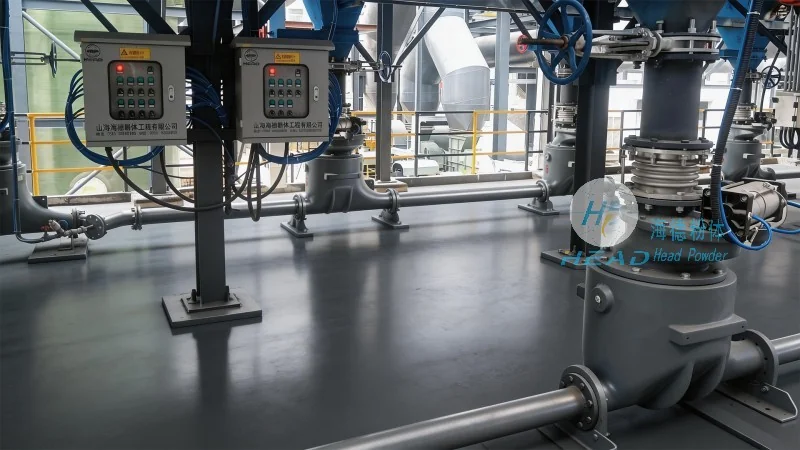
Proper installation and regular maintenance are critical to the long-term performance of a calcined gypsum pneumatic conveying system. HeadPowder emphasizes the importance of hiring experienced engineers and technicians for system installation to ensure all components are correctly assembled and aligned. Regular maintenance, including cleaning of pipes, filters, and air compressors, is essential to prevent wear and tear and maintain system efficiency. The system should also include routine inspections to check for any signs of wear or damage, such as pipe corrosion or filter clogging. By following these maintenance guidelines, users can extend the lifespan of their system and minimize operational costs.
Conclusion
Designing a calcined gypsum pneumatic conveying system requires careful consideration of material properties, airflow dynamics, and system components. By addressing key factors such as system sizing, pressure management, pipe material, filtration, and control systems, engineers can create a reliable and efficient system that meets the demands of industrial applications. HeadPowder, with its expertise in material handling solutions, provides comprehensive engineering services to help clients design and implement optimal calcined gypsum pneumatic conveying systems. With proper design and maintenance, these systems can deliver consistent performance and contribute to the overall efficiency of industrial processes.




