Sodium fluorosilicate is a chemical compound widely used in various industrial applications, and its efficient handling often relies on pneumatic conveying systems. Pneumatic conveying is a method of transporting bulk materials through a pipeline using air or other gas as the conveying medium. This article explores the concept of sodium fluorosilicate pneumatic conveying, the different classifications of pneumatic conveying systems, and their practical applications in industrial settings.
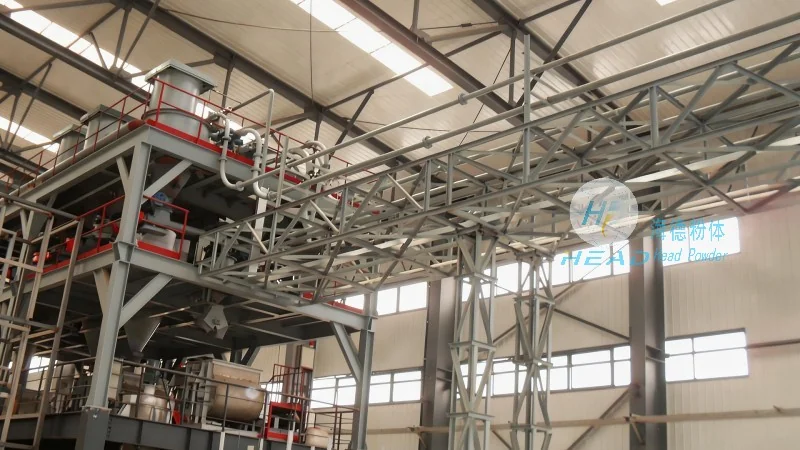
Understanding Pneumatic Conveying Systems
Pneumatic conveying systems are designed to move bulk solids from one location to another by utilizing the force of air or gas. These systems can be categorized based on several factors, including the direction of material flow, the pressure of the conveying medium, and the type of equipment used. The primary goal of these systems is to transport materials like sodium fluorosilicate safely, efficiently, and with minimal product degradation.
Types of Pneumatic Conveying Systems
There are two main types of pneumatic conveying systems: pressure and vacuum systems. Pressure systems operate by forcing air or gas into a container or hopper, which then pushes the material through the pipeline. Vacuum systems, on the other hand, use a vacuum pump to create a negative pressure that draws the material into the pipeline. Each type has its own advantages and is suitable for different applications, depending on factors such as the distance to be covered, the material's properties, and the required flow rate.
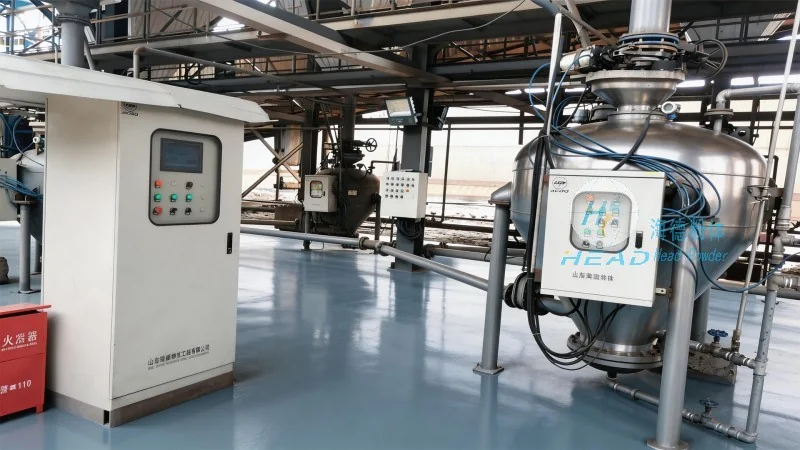
Pressure Pneumatic Conveying Systems
Pressure pneumatic conveying systems are commonly used for short to medium-distance transport and are particularly effective for materials that are free-flowing and non-abrasive. These systems typically use positive pressure to push the material through the pipeline, often with a blower or compressor as the power source. The pressure is maintained at a level sufficient to overcome the resistance in the pipeline and ensure a smooth flow of the material. For sodium fluorosilicate, which is a fine powder, pressure systems can be optimized to handle the material without causing excessive wear or clogging in the system components.
Vacuum Pneumatic Conveying Systems
Vacuum pneumatic conveying systems are ideal for longer distances and are often used when the material needs to be transported from a lower elevation to a higher one. These systems create a vacuum in the pipeline, which draws the material from the source into the system. The vacuum is generated by a vacuum pump, and the material is then transported to the destination. Vacuum systems are particularly useful for handling materials that are dusty or have a tendency to create dust, as the enclosed pipeline helps to contain the material and prevent contamination. For sodium fluorosilicate, vacuum systems can be designed to minimize dust generation and ensure the material remains in a dry, stable state during transport.
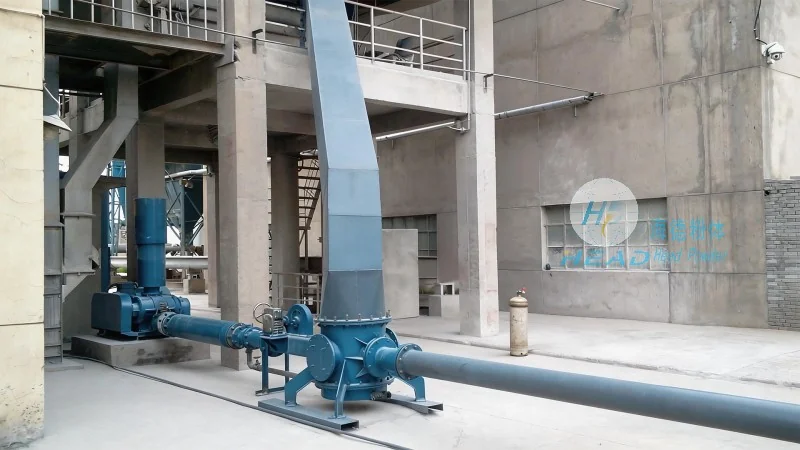
Applications of Pneumatic Conveying in Sodium Fluorosilicate Handling
Sodium fluorosilicate is used in a variety of industries, including water treatment, glass manufacturing, and chemical production. Pneumatic conveying systems are essential for handling this material in these applications due to its fine particle size and potential for dust generation. The systems help to transport the material from storage silos or production areas to processing equipment without the need for manual handling, which reduces the risk of exposure to the material and improves overall safety. Additionally, pneumatic conveying can help to maintain the quality of the sodium fluorosilicate by preventing it from coming into contact with moisture or other contaminants during transport.
Advantages of Pneumatic Conveying for Sodium Fluorosilicate
Using pneumatic conveying systems for sodium fluorosilicate offers several advantages over traditional methods like bucket elevators or belt conveyors. One of the key benefits is the ability to transport the material in a closed system, which helps to contain dust and prevent environmental contamination. This is particularly important for sodium fluorosilicate, as it can be hazardous if inhaled or if it comes into contact with skin. Another advantage is the efficiency of the system, which can reduce energy consumption and operating costs compared to other methods. Pneumatic conveying also allows for more precise control over the flow rate and pressure, which helps to ensure consistent material delivery to the processing equipment.
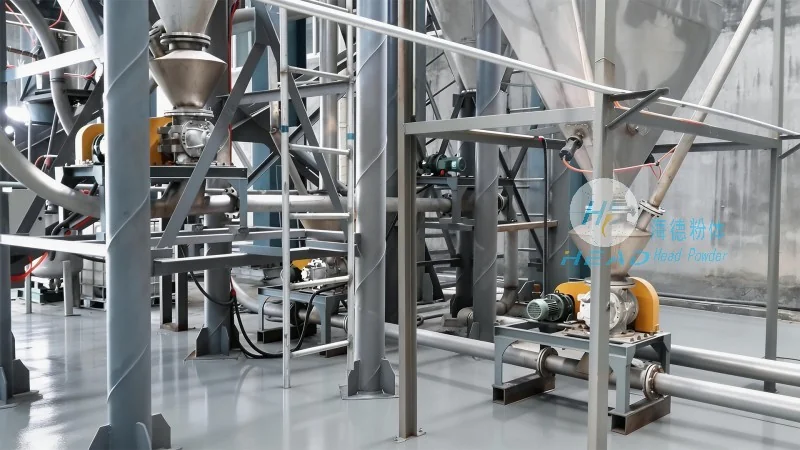
Considerations for Implementing Pneumatic Conveying Systems
When implementing a pneumatic conveying system for sodium fluorosilicate, several factors need to be considered to ensure optimal performance and safety. The first consideration is the material's properties, such as its particle size, density, and flowability. These properties will determine the type of system that is most suitable, as well as the necessary equipment specifications. For example, fine powders like sodium fluorosilicate may require a system with a higher air velocity to prevent clogging. Another important consideration is the distance and elevation changes involved in the transport. Longer distances or significant elevation changes may require a combination of pressure and vacuum systems to achieve the desired results. Additionally, the system should be designed to handle the potential for dust generation and to include appropriate filtration and safety measures to protect both the material and the operators.
Conclusion
Sodium fluorosilicate pneumatic conveying is a critical technology for efficiently handling this important chemical compound in various industrial applications. By understanding the different types of pneumatic conveying systems and their applications, industries can choose the most appropriate system to meet their specific needs. The use of pneumatic conveying not only improves the efficiency and safety of material handling but also helps to maintain the quality of the sodium fluorosilicate, ensuring consistent performance in downstream processes. As a leading provider of engineering solutions, Shandong HeadPowder Engineering Co., Ltd. specializes in designing and implementing pneumatic conveying systems tailored to the unique requirements of clients, including those handling sodium fluorosilicate. With a focus on innovation and customer satisfaction, HeadPowder offers reliable solutions that enhance operational efficiency and safety in industrial settings.




