HeadPowder, a leading provider in the field, specializes in advanced pneumatic conveying solutions tailored for silica sand applications. This article delves into the core technologies of negative pressure and positive pressure conveying, offering a comprehensive understanding of their operational principles, advantages, and practical applications in industrial settings.
Understanding Negative Pressure Pneumatic Conveying
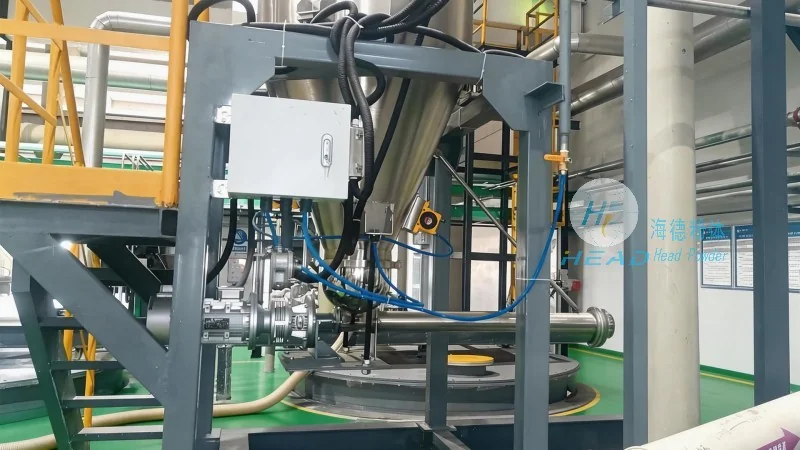
Negative pressure, or vacuum, pneumatic conveying systems operate by creating a low-pressure environment at the conveying point, drawing material from the source into the system. For silica sand, this method is particularly effective in scenarios where material is stored in silos or hoppers, as it allows for efficient collection and transport without the need for mechanical feeders. The system typically includes a vacuum pump, a conveying line, and a receiving hopper. The key advantage lies in its ability to handle fine powders and prevent dust dispersion, making it ideal for applications requiring dust control and material containment. HeadPowder’s negative pressure systems are engineered to maintain consistent vacuum levels, ensuring reliable and continuous material flow. The technology is widely used in industries such as foundries, glass manufacturing, and construction material processing, where precise control over silica sand movement is critical.
Exploring Positive Pressure Pneumatic Conveying
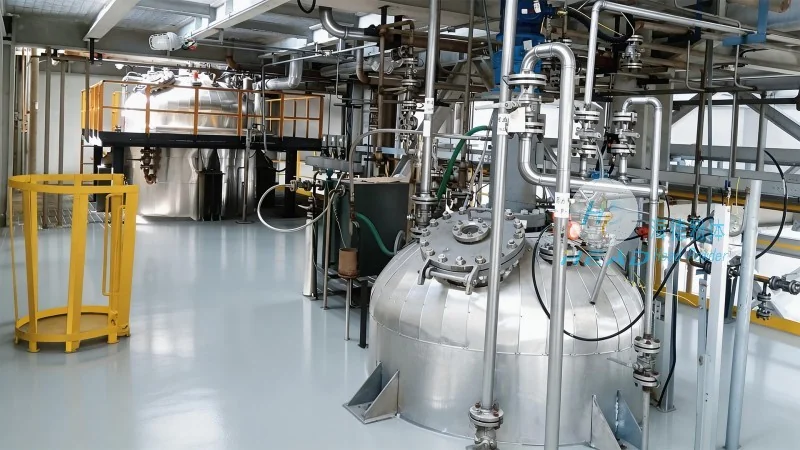
Positive pressure conveying, on the other hand, utilizes compressed air to push material through the conveying line. This method is often preferred for longer distances or when transporting abrasive materials like silica sand, as it can handle higher flow rates and maintain consistent pressure. The system comprises a blower, a material feed hopper, and a conveying pipeline. The primary benefit is its ability to handle larger quantities of material and operate in environments where vacuum systems might be less effective, such as in outdoor or open-air settings. HeadPowder’s positive pressure solutions are designed with robust components to withstand the abrasive nature of silica sand, ensuring long-term durability and minimal maintenance. This technology is commonly employed in bulk material handling, where high throughput and reliability are paramount.
Comparative Analysis: Negative vs. Positive Pressure
When selecting between negative and positive pressure systems for silica sand, several factors must be considered. Negative pressure is generally more suitable for shorter distances and applications where dust control is a priority, as it minimizes the risk of material leakage and environmental contamination. Positive pressure, however, excels in longer conveying distances and high-volume operations, offering greater flexibility in system design. HeadPowder’s expertise lies in customizing both systems to meet specific operational requirements, ensuring optimal performance and cost-effectiveness. The choice ultimately depends on the plant layout, material characteristics, and environmental regulations governing the facility.
Application Scenarios in Silica Sand Processing
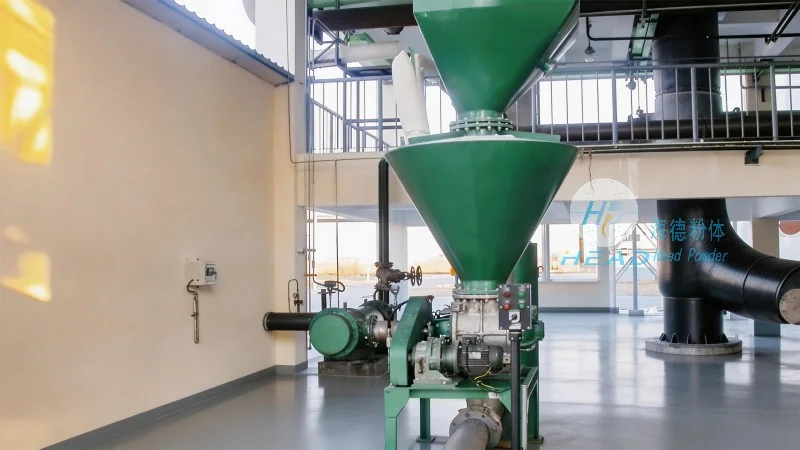
HeadPowder’s pneumatic conveying solutions are applied across various stages of silica sand processing. In foundries, negative pressure systems are used to transport sand from storage silos to molding machines, ensuring a clean and dust-free process. In glass manufacturing, positive pressure conveying is employed to move silica sand from raw material storage to the melting furnace, where consistent material flow is essential for quality control. Construction material producers utilize both systems for bulk handling, with negative pressure for on-site material transfer and positive pressure for long-distance transport to job sites. Each application leverages the specific advantages of the chosen technology, optimizing efficiency and reducing operational costs.
Key Advantages of HeadPowder’s Pneumatic Conveying Solutions
HeadPowder’s commitment to innovation and quality is reflected in the design and implementation of its pneumatic conveying systems. The company’s negative pressure solutions offer superior dust control, making them ideal for environments where air quality is a concern. Positive pressure systems, meanwhile, provide high throughput and durability, suitable for abrasive materials like silica sand. Both systems are engineered for low maintenance, with components designed to withstand the rigors of continuous operation. HeadPowder’s team of experts provides comprehensive support, from system design and installation to ongoing maintenance and troubleshooting. This holistic approach ensures that clients receive not just a product, but a reliable solution tailored to their unique needs.




