Understanding the principles and applications of pneumatic conveying in cement raw material handling is crucial for optimizing industrial processes. This article explores the fundamentals of cement raw material pneumatic conveying, outlines the different classifications of pneumatic systems, and discusses practical applications in the cement industry.
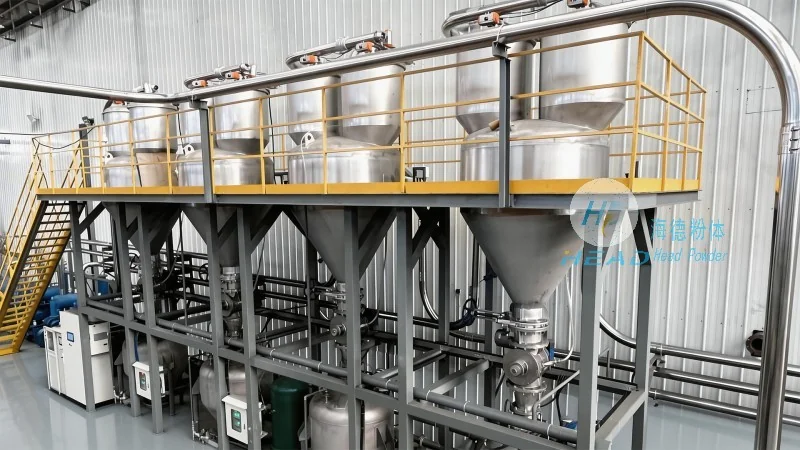
Cement Raw Material Pneumatic Conveying: An Overview
Pneumatic conveying, also known as air conveying, is a method of transporting bulk materials like cement raw materials through a pipeline using compressed air. This technology offers a flexible and efficient solution for moving powders and granules over short to medium distances, often replacing traditional mechanical conveyors. The process involves feeding the material into a hopper, which then transfers it into a pipeline where it is carried by a stream of air. The air acts as the medium, propelling the material through the system until it reaches the destination, such as a silo or storage tank.
Key Components of Pneumatic Conveying Systems
Effective cement raw material pneumatic conveying systems consist of several critical components. These include the material feed hopper, which ensures a consistent flow of raw materials; the air compressor or blower, which generates the necessary pressure to move the material; the pipeline network, which forms the transport path; and the receiving equipment, such as silos or hoppers, where the material is deposited. Additionally, control valves and filters are often integrated to regulate airflow and maintain system efficiency. The design of these components is tailored to the specific characteristics of the cement raw materials, including particle size, moisture content, and bulk density.
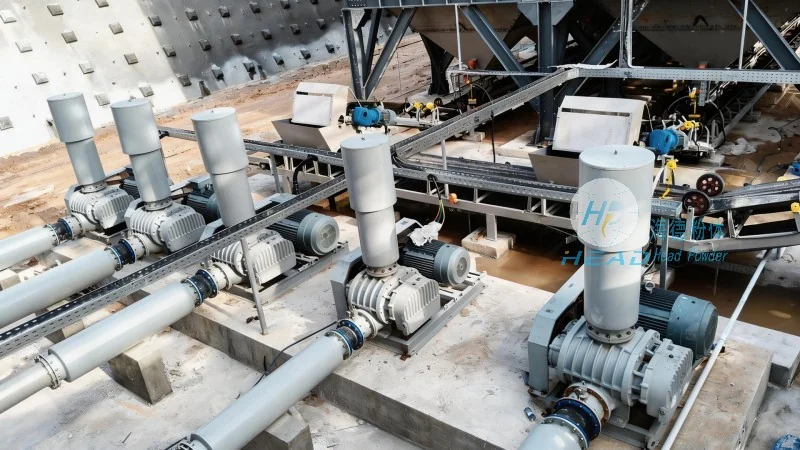
Classification of Pneumatic Conveying Systems
Pneumatic conveying systems are typically classified based on the pressure of the air used to transport the material. The two main categories are pressure and vacuum systems. Pressure systems operate at pressures above atmospheric, using positive pressure to push the material through the pipeline. These systems are suitable for long-distance or high-capacity applications and are commonly used in large-scale cement plants. Vacuum systems, on the other hand, operate at pressures below atmospheric, using negative pressure to pull the material into the pipeline. They are ideal for short-distance or low-capacity operations and are often employed in smaller plants or for handling materials that are prone to dust generation.
Types of Pneumatic Conveying Technologies
Within the broader classification of pneumatic systems, several specific technologies are commonly used in cement raw material handling. These include dilute phase and dense phase conveying. Dilute phase systems use low air-to-material ratios, allowing the material to be transported at high velocities. This method is efficient for short distances and is often used for fine powders. Dense phase systems, conversely, use high air-to-material ratios, moving the material at lower velocities and in a more concentrated form. This approach is beneficial for handling abrasive or sensitive materials, as it reduces wear and prevents material degradation. Another classification is based on the direction of material flow, with horizontal, vertical, or combined (horizontal-vertical) systems. Horizontal systems are used for transporting materials along the ground, while vertical systems are employed for lifting materials to elevated silos. Combined systems are versatile and can handle both horizontal and vertical transport segments.
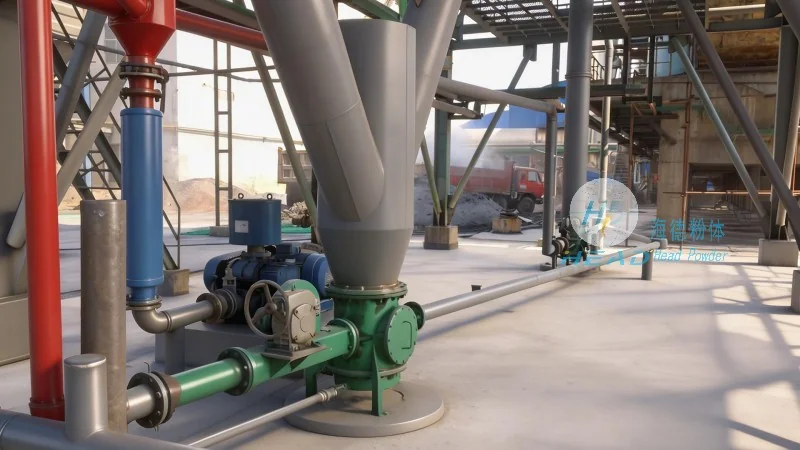
Applications of Pneumatic Conveying in Cement Production
Pneumatic conveying plays a vital role in various stages of cement production, from raw material handling to finished product distribution. In the raw material preparation stage, pneumatic systems are used to transport limestone, clay, and other raw materials from storage silos to the grinding mills. This ensures a continuous and efficient supply of raw materials, minimizing downtime and improving overall plant productivity. During the clinker production process, pneumatic conveying is employed to move the ground raw meal from the mill to the kiln. The high efficiency of these systems allows for precise control over the material flow rate, which is critical for maintaining optimal kiln conditions. After clinker is produced, pneumatic conveying is used to transport the clinker to the cement grinding plant, where it is mixed with gypsum and other additives. Finally, in the finished product stage, pneumatic systems are utilized to move the final cement product from the grinding plant to storage silos or for loading onto trucks for distribution.
Advantages of Pneumatic Conveying for Cement Raw Materials
Implementing pneumatic conveying systems in cement production offers several advantages over traditional mechanical methods. One of the primary benefits is the reduction in material handling costs. By eliminating the need for multiple transfer points and mechanical components, such as belt conveyors or bucket elevators, plants can achieve significant cost savings. Additionally, pneumatic systems provide a more hygienic and dust-free environment, which is essential for maintaining product quality and compliance with environmental regulations. The flexibility of pneumatic conveying allows for easy integration with existing plant layouts, enabling modifications or expansions without major structural changes. Furthermore, these systems are highly efficient in terms of energy consumption, as they can transport materials over long distances with minimal energy input compared to other methods. The ability to handle a wide range of material types, including fine powders and abrasive materials, makes pneumatic conveying a versatile solution for cement plants.
Challenges and Considerations in Pneumatic Conveying
While pneumatic conveying offers numerous benefits, there are also challenges and considerations that must be addressed in cement raw material handling. One of the main challenges is the potential for material degradation due to high velocities or abrasive wear. To mitigate this, proper system design and material selection are crucial. For example, using wear-resistant materials for pipelines and components can extend the system's lifespan and reduce maintenance costs. Another consideration is the need for effective dust control and filtration. Pneumatic systems can generate significant dust, which poses health and safety risks and may lead to environmental violations. Implementing dust collection systems and regular maintenance of filters is essential to ensure compliance and maintain system performance. Additionally, the initial investment cost for pneumatic conveying systems can be higher than for mechanical conveyors, although the long-term operational savings often justify the upfront expense. Proper system sizing and capacity planning are also critical to avoid underutilization or overloading, which can lead to system inefficiencies or damage.
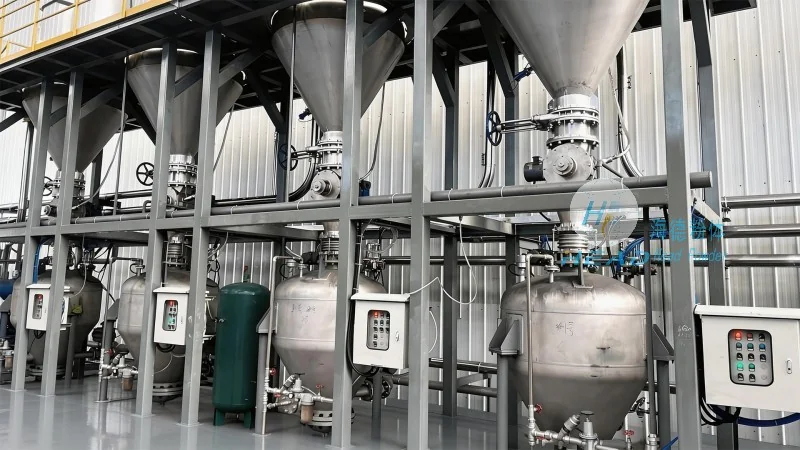
Case Study: Pneumatic Conveying Implementation by Shandong HeadPowder Engineering Co., Ltd.
Shandong HeadPowder Engineering Co., Ltd., a leading provider of industrial conveying solutions, has successfully implemented pneumatic conveying systems for several cement plants. One notable project involved the installation of a pressure dilute phase system for a large-scale cement plant in China. The system was designed to transport limestone from a storage silo to a grinding mill over a distance of 500 meters. The system was equipped with a high-efficiency air compressor and a network of stainless steel pipelines to ensure durability and resistance to corrosion. The implementation resulted in a 20% increase in material handling efficiency and a reduction in maintenance costs by 15% compared to the previous mechanical conveyor system. Another project involved a vacuum dense phase system for a smaller cement plant, which was used to transport fine raw meal from the mill to the kiln. The system was tailored to handle the abrasive nature of the raw meal, with wear-resistant components and a specialized air-to-material ratio to minimize material degradation. The success of these projects highlights the expertise and capabilities of Shandong HeadPowder Engineering Co., Ltd. in designing and implementing effective pneumatic conveying solutions for the cement industry.
Future Trends in Pneumatic Conveying for Cement Raw Materials
As the cement industry continues to evolve, the demand for efficient and sustainable material handling solutions is increasing. Pneumatic conveying is poised to play an even more significant role in the future of cement production. Technological advancements, such as the integration of automation and control systems, are enhancing the performance and reliability of pneumatic systems. For example, the use of sensors and real-time monitoring allows for precise control over material flow rates and system pressure, optimizing energy consumption and reducing waste. Additionally, the development of more energy-efficient air compressors and the adoption of renewable energy sources are making pneumatic conveying systems more environmentally friendly. The trend towards larger and more complex cement plants also necessitates the use of advanced pneumatic conveying technologies to handle increased material volumes and longer transport distances. Overall, the future of pneumatic conveying in cement raw material handling looks promising, with continued innovation and integration of new technologies driving improved efficiency and sustainability.




