Pneumatic conveying systems have become a critical component in the efficient and reliable transport of limestone and gypsum materials across various industrial applications. These systems utilize air or gas to move bulk materials through a pipeline network, offering advantages such as reduced maintenance, improved safety, and the ability to handle materials that are difficult to transport using traditional methods like belt conveyors or trucks. For industries dealing with limestone and gypsum, selecting the right type of pneumatic conveying system is essential to optimize operational efficiency and ensure consistent material flow.
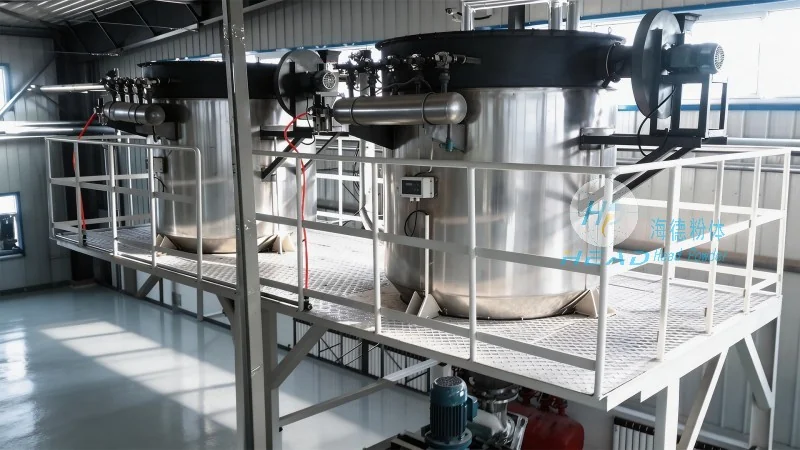
Types of Pneumatic Conveying Systems for Limestone and Gypsum
There are primarily two main categories of pneumatic conveying systems: positive pressure and negative pressure systems. Each type has distinct characteristics and is suited for different operational requirements.
Positive pressure systems, also known as pressure or blower systems, operate by generating air pressure within the conveying line. This method is ideal for long-distance transport and handling abrasive or dusty materials like limestone and gypsum. The system typically includes a blower, a hopper for material storage, and a pipeline network that transports the material from the source to the destination. Positive pressure systems are often preferred for applications where the material needs to be transported over significant distances or where the destination is at a higher elevation than the source.
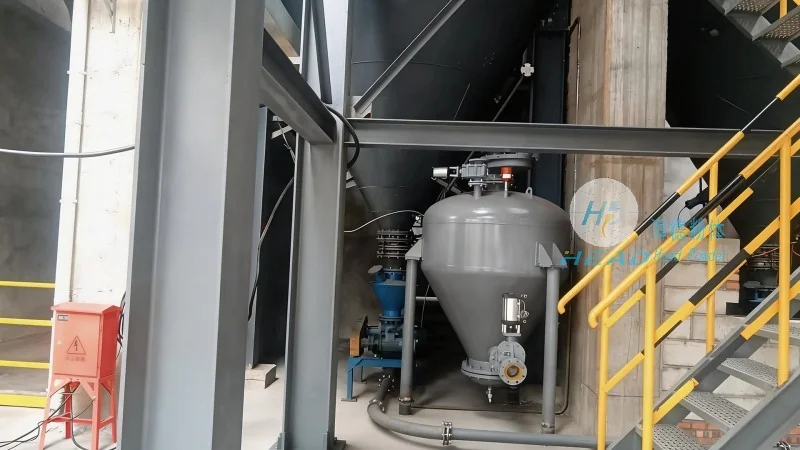
Negative pressure systems, or vacuum systems, work by creating a vacuum in the conveying line, drawing material from the source into the pipeline. This type of system is commonly used for shorter distances and for handling materials that are more sensitive to air exposure or for applications where the material is to be transported to a lower elevation. Negative pressure systems are generally more suitable for indoor or enclosed environments where dust control is a priority.
Practical Applications and Benefits in Limestone and Gypsum Handling
In the limestone and gypsum industry, pneumatic conveying systems are widely used in various processes, including raw material transport from quarries to processing plants, material transfer between different processing stages, and delivery to storage silos or packaging areas. The benefits of using these systems include reduced labor costs due to automated material handling, minimized material degradation from less contact with equipment, and improved safety by eliminating the need for manual handling of bulk materials.
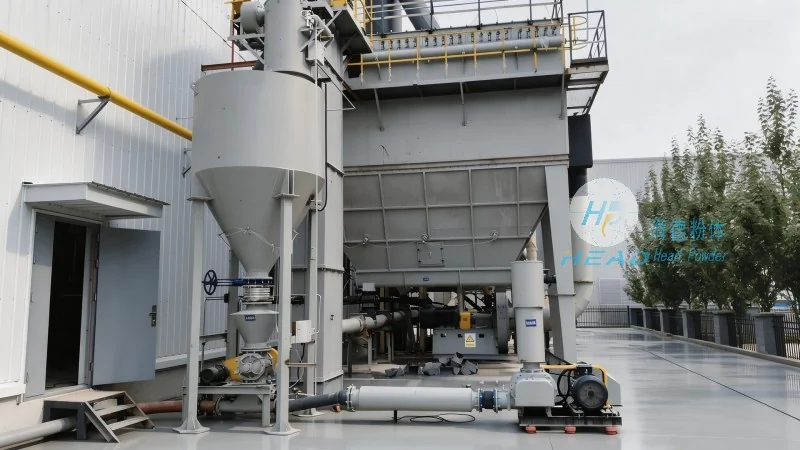
For example, in a limestone processing plant, a positive pressure pneumatic conveying system can efficiently transport crushed limestone from the crushing and screening area to the storage silos, ensuring a continuous supply of raw material for the subsequent calcination or grinding processes. Similarly, in a gypsum board manufacturing facility, a negative pressure system can be employed to move gypsum powder from the grinding and drying stages to the mixing and forming equipment, maintaining a consistent material flow and reducing dust exposure for operators.
HeadPowder's Expertise in Pneumatic Conveying Solutions
Shandong HeadPowder Engineering Co., Ltd., a leading provider of engineering solutions for bulk material handling, specializes in designing and implementing customized pneumatic conveying systems tailored to the specific needs of limestone and gypsum applications. With years of experience in the industry, HeadPowder's team of engineers and technicians works closely with clients to assess their operational requirements, material characteristics, and site conditions to develop optimal conveying solutions.
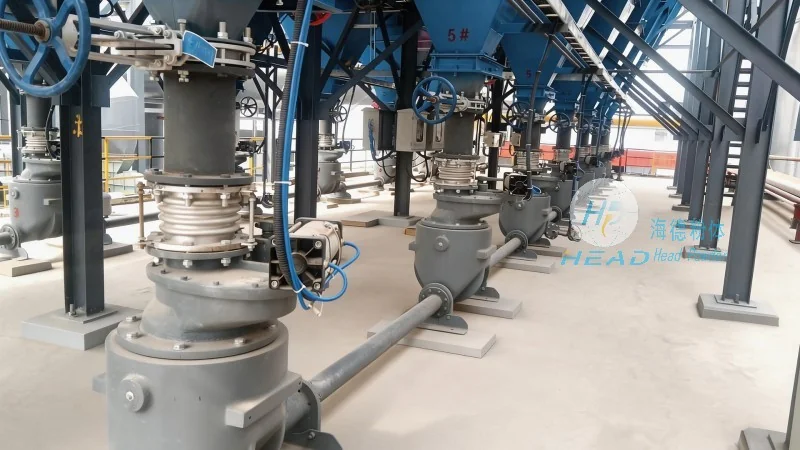
HeadPowder's approach to system design emphasizes efficiency, reliability, and cost-effectiveness. The company utilizes advanced simulation tools and material flow analysis to ensure that the selected system can handle the required material volume and pressure, minimizing downtime and maintenance costs. Additionally, HeadPowder provides comprehensive after-sales support, including system maintenance, troubleshooting, and performance optimization services, ensuring that clients can maximize the operational benefits of their pneumatic conveying systems.
HeadPowder's facilities are located in Shandong, China, where the company leverages local expertise and resources to deliver high-quality engineering solutions. By partnering with HeadPowder, industries dealing with limestone and gypsum can benefit from tailored pneumatic conveying systems that enhance their operational efficiency, improve material handling safety, and reduce overall production costs.




