White clay powder, a critical raw material in numerous industrial processes, demands efficient and reliable transport solutions to maintain operational flow. Pneumatic conveying systems have become a preferred method for handling such powders due to their adaptability, safety features, and ability to preserve product integrity. This article examines the different types of pneumatic conveying systems utilized for white clay powder transport and their practical applications in industrial environments.
Introduction to Pneumatic Conveying Systems
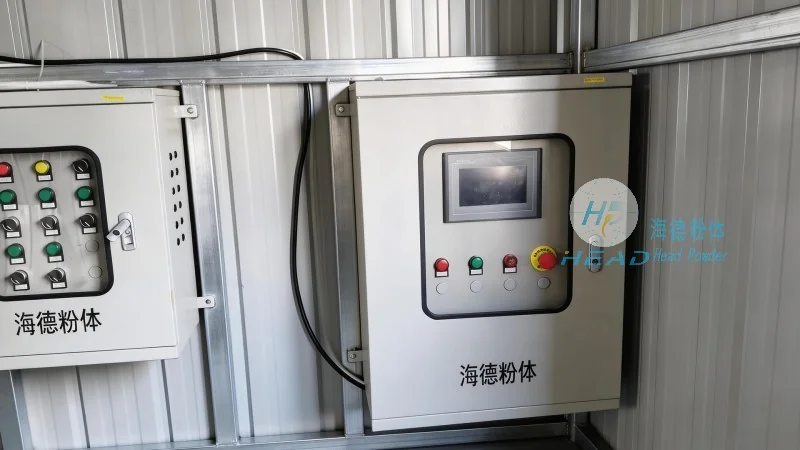
Pneumatic conveying systems leverage air or other gases to transport bulk materials like white clay powder through a pipeline. These systems are classified based on the direction of material flow and the pressure applied, which significantly influences their suitability for specific applications. The primary categories include pressure, vacuum, and mixed flow systems, each offering unique advantages and operational characteristics.
Types of Pneumatic Conveying Systems for White Clay Powder
1. Pressure Conveying Systems: This type operates by forcing air or gas under pressure into the material to be conveyed. The material is then carried through the pipeline by the pressurized air. Pressure systems are ideal for long-distance transport and can handle high volumes of white clay powder efficiently. They are commonly used in industries where the material needs to be transported from a central storage to multiple processing units.
2. Vacuum Conveying Systems: In contrast to pressure systems, vacuum systems create a negative pressure environment that draws the white clay powder into the pipeline. This method is suitable for short to medium-distance transport and is often employed when the material is to be collected from multiple points and transported to a central location. Vacuum systems are particularly useful for handling fine powders that might be susceptible to dust dispersion.
3. Mixed Flow Conveying Systems: As the name implies, mixed flow systems combine elements of both pressure and vacuum systems. They operate by using a combination of positive and negative pressure to transport the material. This approach allows for flexibility in handling different types of white clay powder, including those with varying particle sizes and moisture content. Mixed flow systems are often used in applications where the transport distance and material characteristics require a balanced approach.
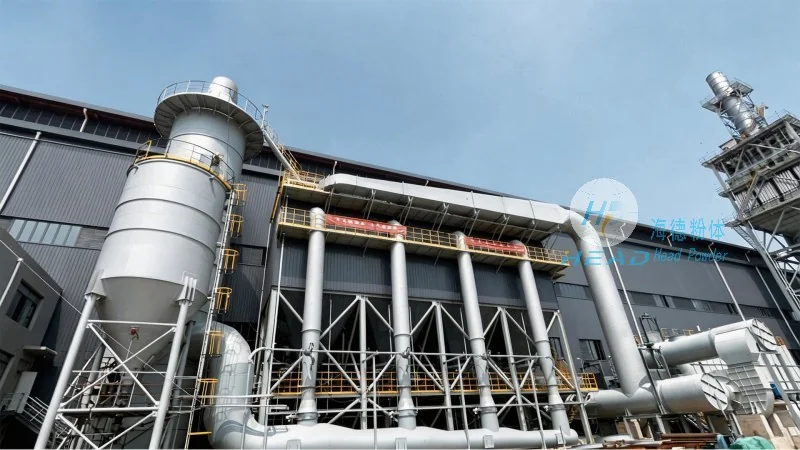
Practical Applications of Pneumatic Conveying Systems
The selection of a pneumatic conveying system for white clay powder depends on the specific requirements of the industrial process. Here are some practical applications where these systems are commonly utilized:
1. Food and Beverage Industry: White clay powder is used as a clarifying agent in the production of beverages like wine and juice. Pneumatic conveying systems ensure that the powder is transported hygienically and without contamination, maintaining the quality of the final product. The systems are designed to meet strict sanitary standards, making them suitable for food processing environments.
2. Paper and Pulp Industry: In the paper manufacturing process, white clay powder is used as a filler to improve the paper's brightness and opacity. Pneumatic conveying systems efficiently transport the powder from storage to the paper machine, ensuring consistent quality and reducing downtime. The systems are capable of handling large volumes of fine powder, which is essential for maintaining production rates.
3. Pharmaceutical Industry: White clay powder is used as an excipient in pharmaceutical formulations. Pneumatic conveying systems are used to transport the powder into mixing and processing equipment, ensuring accurate dosing and preventing cross-contamination. The systems are designed to operate under sterile conditions, meeting the stringent requirements of the pharmaceutical industry.
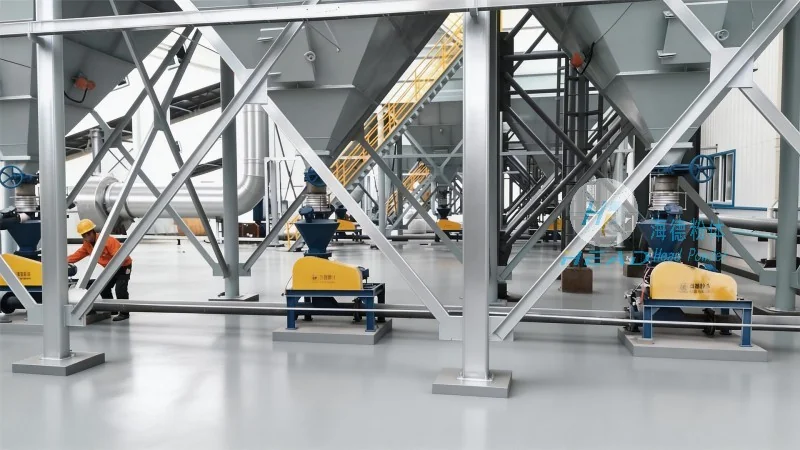
4. Construction Materials Industry: White clay powder is used in the production of cement and other construction materials. Pneumatic conveying systems are employed to transport the powder from storage silos to production lines, improving the efficiency of material handling and reducing labor costs. The systems are robust and can handle the abrasive nature of the powder without causing wear and tear.
Key Considerations for Selecting a Pneumatic Conveying System
When selecting a pneumatic conveying system for white clay powder transport, several factors need to be considered to ensure optimal performance and cost-effectiveness. These include the particle size and moisture content of the powder, the required transport distance, the desired flow rate, and the environmental conditions. Additionally, the system should be designed to minimize dust emissions and comply with relevant safety regulations.
Shandong HeadPowder Engineering Co., Ltd., a leading provider of industrial conveying solutions, specializes in designing and manufacturing customized pneumatic conveying systems tailored to the specific needs of white clay powder transport. With years of experience in the industry, the company offers a range of solutions that meet the highest standards of efficiency, reliability, and safety. HeadPowder's expertise in material handling ensures that clients receive systems that are optimized for their unique operational requirements, contributing to improved productivity and reduced operational costs.
Located in Shandong, China, Shandong HeadPowder Engineering Co., Ltd. leverages advanced technology and engineering expertise to deliver innovative solutions for white clay powder transport. The company's commitment to quality and customer satisfaction has made it a trusted partner for businesses in various industries, helping them enhance their operational efficiency and maintain product quality.




