Understanding the pneumatic conveying of lithium oxide material is crucial for industries dealing with this specific chemical compound. Pneumatic conveying, in general, refers to the process of transporting bulk materials through a pipeline using a gas stream, typically air. When applied to lithium oxide, the system must be designed to handle the material's properties, such as its reactivity, particle size, and flow characteristics. This article explores the fundamental aspects of lithium oxide material pneumatic conveying and the key design principles that ensure efficient and safe operation.
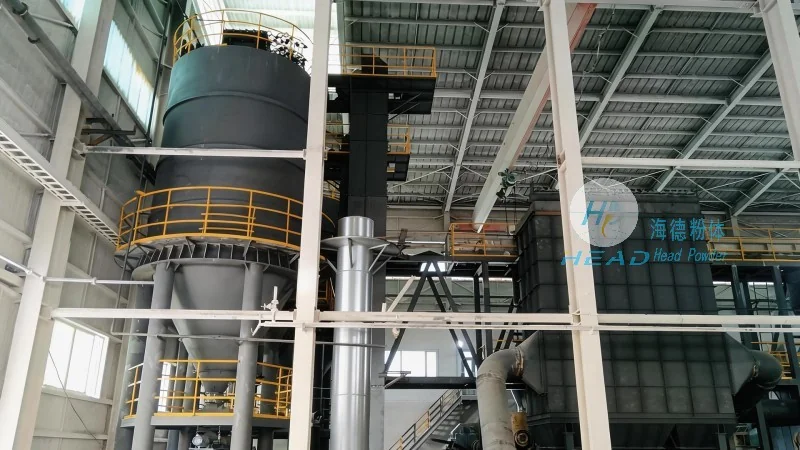
What is Lithium Oxide Material Pneumatic Conveying?
Lithium oxide (Li₂O) is a white or grayish powder used in various applications, including battery manufacturing, ceramics, and glass production. Pneumatic conveying for lithium oxide involves transporting this material from a source, such as a storage silo or a processing unit, to a destination like a reactor or a packaging line. The process relies on a combination of air pressure and flow to move the material through a sealed pipeline system. This method offers advantages over traditional methods like bucket elevators or belt conveyors, including reduced dust generation, lower maintenance requirements, and the ability to handle materials in a closed environment, which is critical for handling reactive or hazardous substances like lithium oxide.
The Core Design Principles for Lithium Oxide Pneumatic Conveying Systems
Designing an effective pneumatic conveying system for lithium oxide requires careful consideration of several key principles to ensure optimal performance, safety, and reliability. The first principle is the selection of appropriate equipment components, including the air compressor, pipeline diameter, and material handling devices. The air compressor must be capable of generating sufficient pressure and flow to move the lithium oxide particles through the system without causing excessive wear or degradation of the material. The pipeline diameter is critical, as it affects the velocity of the air-stream and the pressure drop along the line. A larger diameter may reduce pressure drop but increase system cost, while a smaller diameter can lead to higher velocity and potential particle damage.
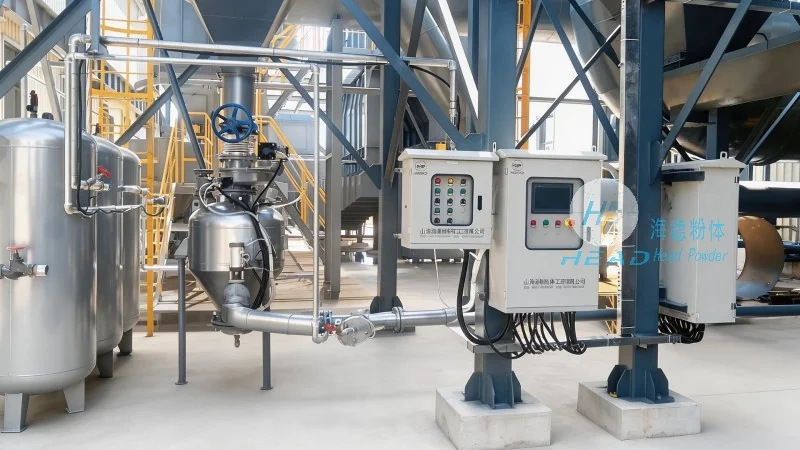
Another critical design principle is the control of air velocity and pressure. The air velocity must be high enough to keep the lithium oxide particles suspended in the air stream but not so high as to cause erosion of the pipeline or excessive energy consumption. The pressure drop along the pipeline is also a key factor, as it determines the power required by the air compressor and the overall efficiency of the system. Engineers typically use empirical formulas or computational fluid dynamics (CFD) simulations to calculate the optimal air velocity and pressure for a given system configuration. Additionally, the system must be designed to handle the material's flow characteristics, such as its bulk density and angle of repose, to prevent blockages or uneven flow.
Key Components and Their Role in Lithium Oxide Pneumatic Conveying
Several components are essential to the successful operation of a lithium oxide pneumatic conveying system. The air compressor is the heart of the system, providing the necessary pressure and flow to move the material. It can be a positive displacement compressor or a centrifugal compressor, depending on the system's requirements. The pipeline system, made of materials resistant to corrosion and wear, such as stainless steel or special alloys, is used to transport the material. The pipeline must be properly sized and routed to minimize pressure drop and ensure smooth flow. Material handling devices, such as feeders and cyclones, are used to introduce the lithium oxide into the air stream and separate it from the air at the destination. Feeders, like rotary valves or screw feeders, control the flow rate of the material into the pipeline, while cyclones use centrifugal force to separate the material from the air, allowing the air to be recycled back to the compressor.
Ensuring Safety and Efficiency in Lithium Oxide Pneumatic Conveying
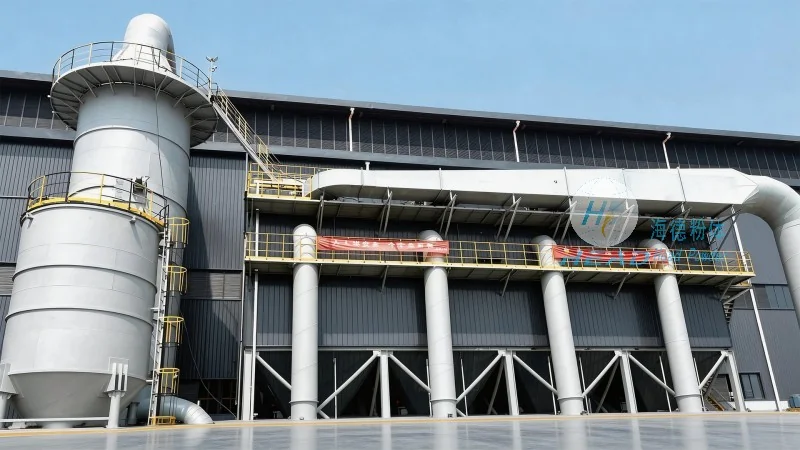
Due to the reactive nature of lithium oxide, safety is a top priority in the design and operation of pneumatic conveying systems. The system must be designed to prevent dust explosions, which can occur if the material is ignited or if there is a buildup of combustible dust. This is typically achieved by using explosion-proof components, such as air compressors and pipelines, and by implementing proper ventilation and dust collection systems. Additionally, the system must be equipped with sensors and controls to monitor pressure, flow, and temperature, ensuring that the operation remains within safe limits. Efficiency is also a key consideration, as the cost of energy consumption can be significant for large-scale systems. Engineers optimize the system design to minimize energy use while maintaining the required conveying capacity. This may involve using variable frequency drives (VFDs) to adjust the compressor speed based on the system's demand, or using energy-efficient pipeline materials and components.
Application Examples and Case Studies
Companies like Shandong HeadPowder Engineering Co., Ltd., based in China, specialize in designing and manufacturing pneumatic conveying systems for various materials, including lithium oxide. Their expertise lies in tailoring the system design to meet the specific requirements of each application. For example, a battery manufacturing plant may require a system that can handle large volumes of lithium oxide at high speeds, while a ceramic production facility may need a system that can transport smaller quantities with more precision. HeadPowder's engineers work closely with clients to understand their process needs and provide customized solutions that ensure efficient, safe, and reliable material transport. By applying the core design principles discussed above, they develop systems that meet the highest standards of performance and safety.




